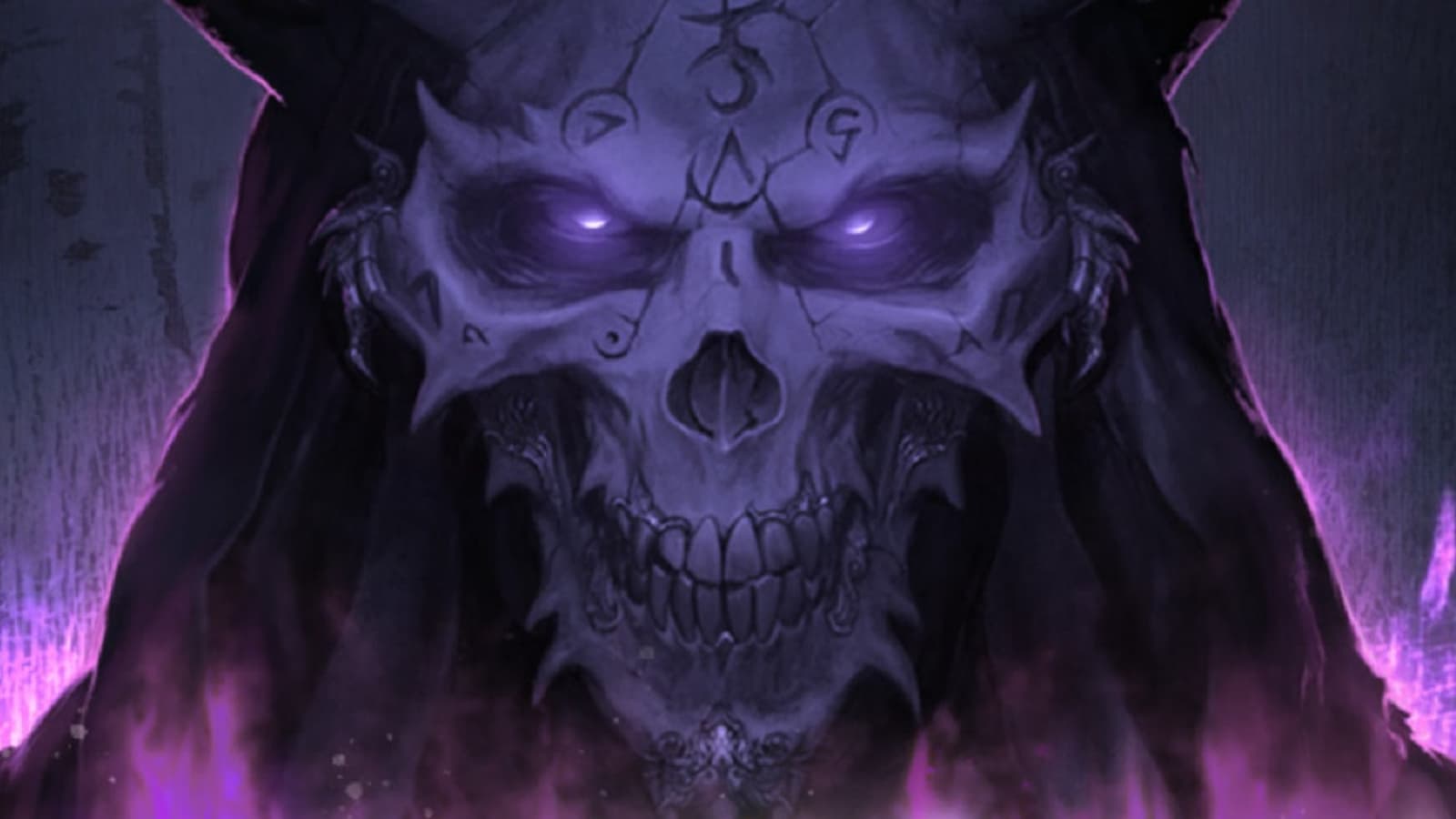
Moon Beast Productions, a studio founded by Blizzard veterans including Erich Schaefer, Philip Shenk, and Peter Hu, unveiled Darkhaven, an action-RPG built around a procedurally generated, destructible world that emphasizes unpredictability and player-driven chaos. The studio plans limited post‑release support via small modules and events rather than large cinematic expansions, has no release date yet, and is currently allowing users to add the game to their Steam wishlist. The project represents a niche, creative alternative to polished AAA ARPGs and could attract a specific player base, but carries limited near-term commercial or market impact given the studio's small scale and lack of financial guidance.
Market structure: The release of Darkhaven benefits middleware/tool vendors (Unity - U) and GPU/compute suppliers (NVIDIA - NVDA) because procedurally generated, destructible worlds raise engine and GPU usage per player; expect a modest reallocation of developer spend (est. 0.5–2% of studio budgets toward engines/tools over 12–24 months). Large AAA publishers (Activision Blizzard - ATVI) risk marginal share erosion in the hardcore ARPG niche but not immediate revenue shock; pricing power for live-service monetization is unchanged short-term.
Risk assessment: Tail risks include an indie viral hit prompting M&A or a flop creating sunk-cost write-offs for investors backing similar concepts; operational server costs could reduce gross margins for small studios (impact on public peers of 3–10% EBIT volatility). Immediate signals (days–weeks): Steam wishlist and Twitch viewership; short-term (1–6 months): conversion to active users; long-term (6–24 months): shifts in retention/LTV and publisher product strategies.
Trade implications: Favor upstream suppliers and tools over publishers. Tradeable mechanics: long U exposure to capture increased engine demand and long-dated clustered NVDA exposure for higher GPU utilization; hedge with small short exposure to ATVI if Diablo sentiment deteriorates. Use options to define downside: buy spreads rather than naked calls/puts due to binary indie success.
Contrarian angles: Consensus underestimates how quickly indie mechanics can re-rate tooling stocks versus publishers; the market may underprice the probability of a single indie hit driving >20% uplift in engine revenue for 12–18 months (historical parallels: Path of Exile, which materially increased GGG value). Unintended consequence: chaos-first design can lower monetization LTV, so platform/tool winners—not necessarily game IP owners—capture most economic upside.
AI-powered research, real-time alerts, and portfolio analytics for institutional investors.
Request DemoOverall Sentiment
neutral
Sentiment Score
0.10
