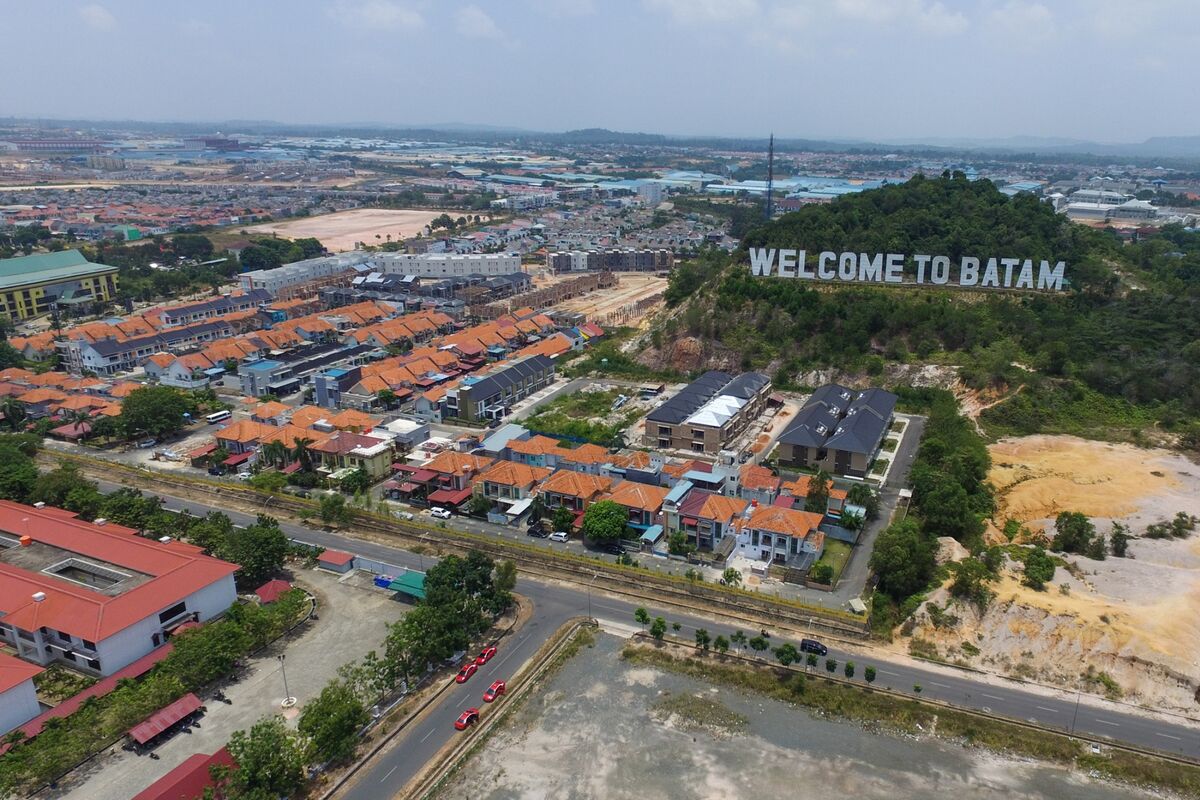
Chinese solar manufacturers are reportedly circumventing US tariffs by assembling products in Indonesia, particularly in Batam, to gain tariff-free access to the American market. This strategy, identified as a loophole in global trade, is now under scrutiny by the US government, which is preparing a crackdown, signaling potential disruptions to existing supply chains and an escalation in trade enforcement measures.
Chinese solar manufacturers are engaging in a strategic circumvention of US tariffs by rerouting assembly operations through third-party countries, specifically identified as the duty-free Indonesian enclave of Batam. This practice creates a loophole that allows Chinese-originated solar equipment to enter the American market tariff-free, representing a significant challenge to US trade policy. The situation is poised for a shift, as the US administration is reportedly preparing a crackdown to close this specific tariff evasion route. This pending regulatory action introduces considerable uncertainty and risk for existing solar supply chains, highlighting an escalation in the "cat-and-mouse" dynamic between Chinese exporters and US trade enforcement within the renewable energy sector. The potential for disruption is material, as the closure of this loophole could impact landed costs and supply availability for solar products in the US.
AI-powered research, real-time alerts, and portfolio analytics for institutional investors.
Request DemoOverall Sentiment
mildly negative
Sentiment Score
-0.30
