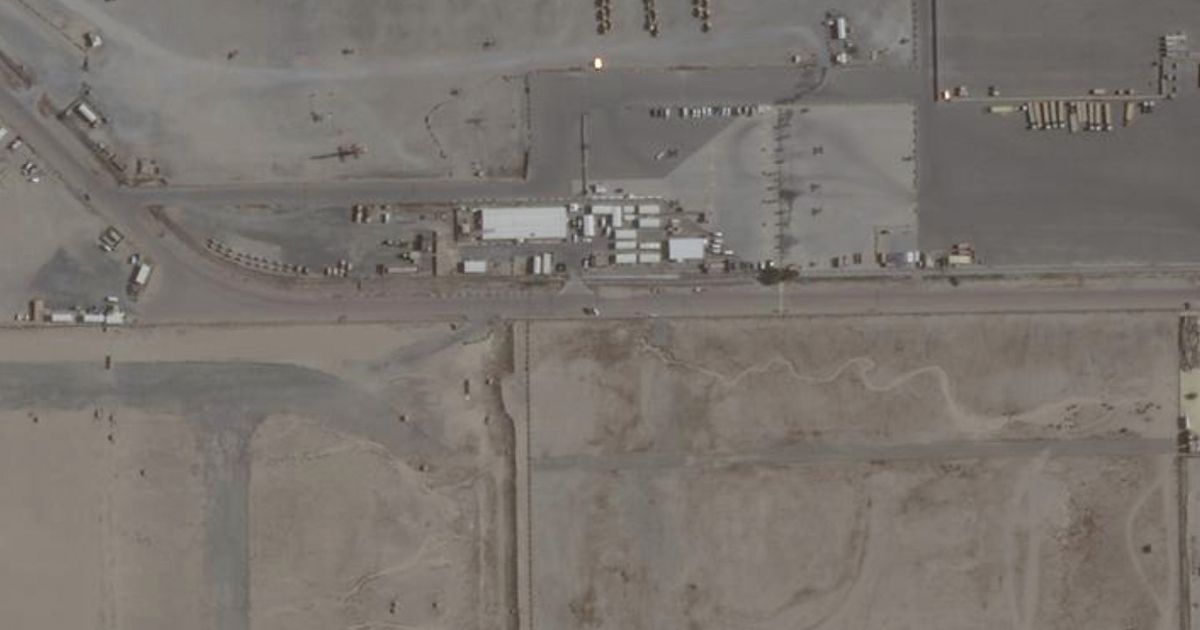
An Iranian drone strike on Sunday struck a U.S. operations center in Port Shuaiba, Kuwait, killing six American soldiers; satellite imagery and a U.S. official place the hit in the heart of a civilian seaport, not at the main Army base (Camp Arifjan), and the facility was described as a shipping-container style building with limited defenses. The attack—occurring near cargo piers, oil storage tanks, refineries and a power plant—raises force-protection concerns, heightens U.S.-Iran tensions and introduces regional risk to shipping and energy infrastructure that could pressure risk sentiment and commodity markets.
Market structure: Immediate winners include defense primes (Lockheed Martin LMT, Northrop Grumman NOC, RTX) and commodity-linked transport (tanker owners STNG, FRO) due to higher risk premia and potential surge in defense spending; losers are regional logistics/port operators and travel/leisure (JETS ETF, AAL, UAL) facing rerouting and insurance-cost shocks. Pricing power shifts to energy producers and insurers—shipping freight and war-risk insurance premiums can rise 20–100% on short notice, boosting earnings for specialty insurers and tanker owners while compressing margins for importers.
Risk assessment: Tail risks are asymmetric: a limited regional escalation could lift Brent $5–$15/bbl in weeks, while a blockade or wider strike could add $20–$50 and meaningfully slow growth. Timeline: days—risk-off (Treasuries up, USD/gold bid); weeks—oil and insurance rate repricing; quarters—higher defense budgets and reallocated capex. Hidden dependencies include refinery feedstock mixes, rerouting costs adding 2–6% to freight-intensive goods, and downstream margin squeezes.
Trade implications: Favor conviction-sized, defined-risk exposures: buy defense equities and energy hedged with options; short travel/airline names and JETS. Use 30–90 day option plays to capture volatility: call spreads on XLE/USO and put spreads on JETS; increase cash allocation to handle event-driven whipsaw. Rotate portfolio overweight to defense (2–4% tactical), energy (3–5%), underweight consumer discretionary/travel (reduce by 2–4%).
Contrarian angles: Consensus may overpay for persistent oil shocks—historical tanker/port skirmishes showed 4–10% oil spikes that faded in 6–8 weeks absent broader escalation. Opportunity: buy mid-cap defense suppliers (LHX, KBR) and select reinsurance plays where forward rates already price in excessive permanent losses. Protect trades with tight stops or defined-cost option structures because de-escalation can reverse moves quickly.
AI-powered research, real-time alerts, and portfolio analytics for institutional investors.
Request TrialOverall Sentiment
moderately negative
Sentiment Score
-0.45
