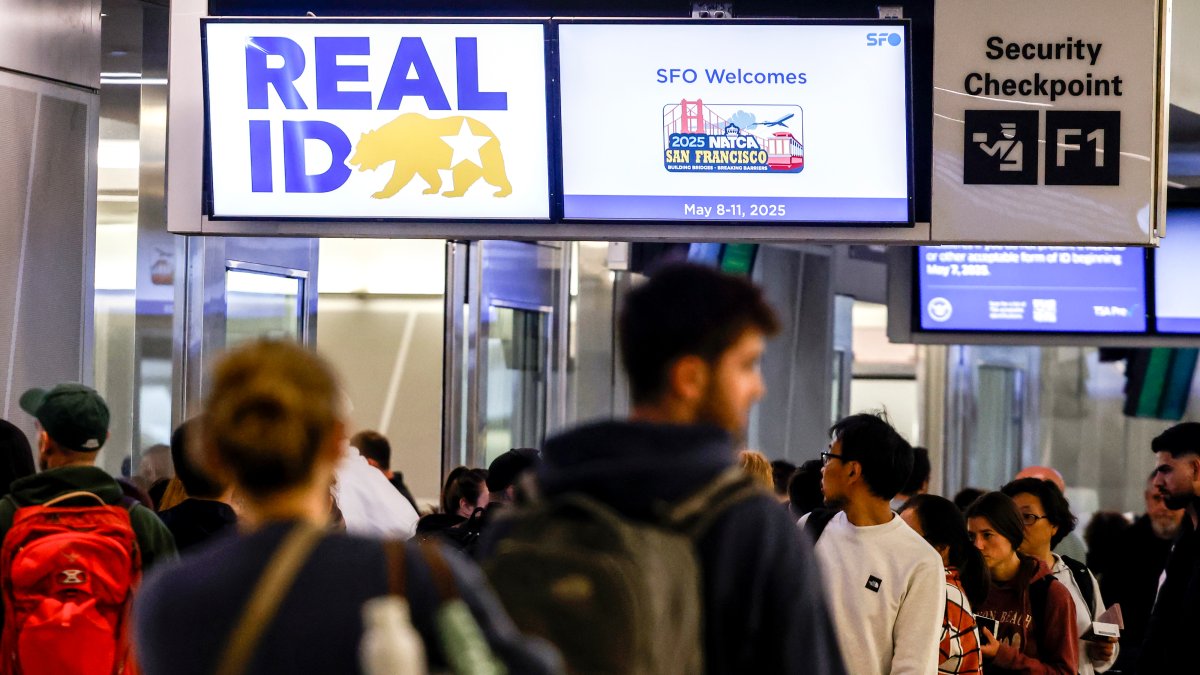
United launched a pilot TSA security-line wait-time feature in its mobile app across 7 hub airports (ORD, EWR, DEN, IAD, IAH, SFO, LAX). The feature provides regular wait-time updates to help customers plan travel amid ongoing DHS/TSA staffing developments. This is a customer-experience improvement with limited near-term financial impact.
This is a classic low-cost digital differentiation that buys United a short-lived, high-visibility edge in customer experience and mobile engagement. Even a 1–3 minute reduction in perceived queue uncertainty can raise mobile session length and ancillaries-per-passenger by low-single-digit percentages within 3–12 months, which for a hub-heavy carrier can translate into a modest but high-margin uplift to operating cash flow and yield management effectiveness.
Second-order winners include United’s payments/ancillary engine and any captive advertising/analytics business — more engaged users mean higher conversion rates on paid upgrades and offer-based merchandising; losers could be airport concessionaires if passenger dwell times compress (pushing $0.50–$2.00 of lost non-aero spend per passenger in edge cases). There is also a plausible revenue path where United licenses the data/API to airports or corporates, creating recurring margin-rich revenue in a 12–24 month window if TSA/airport partnerships scale.
Key risks: accuracy/liability and regulatory/privacy exposure (false short waits -> reputational hit) and rapid copy by competitors that compresses the benefit within 3–6 months. Watchables that will move the thesis: app DAU/engagement, ancillaries per pax, on-time/missed-flight rate, and any public API deals with airports — meaningful inflection should show up inside two earnings cycles.
AI-powered research, real-time alerts, and portfolio analytics for institutional investors.
Overall Sentiment
mildly positive
Sentiment Score
0.20
Ticker Sentiment
