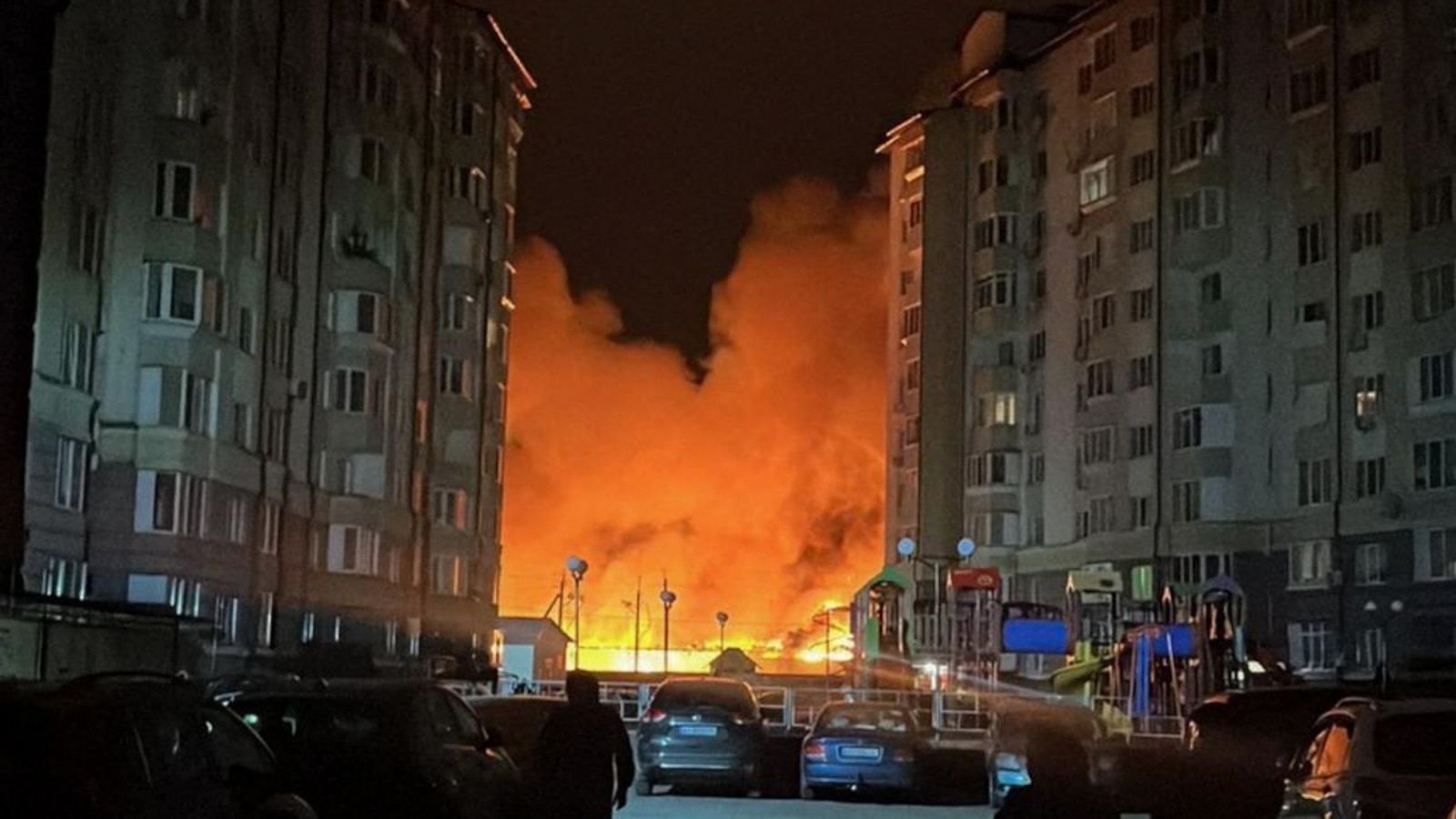
U.S. and Ukrainian delegations met in Miami and continued talks on a security “framework” to end Russia’s full-scale invasion, with envoys including Steve Witkoff and Jared Kushner engaging Ukraine’s team led by Rustem Umerov and a phone call between Zelenskyy and U.S. envoys. Officials said they agreed on a framework of security arrangements and deterrence capabilities but provided no specifics and emphasized that progress hinges on Russia’s willingness to de-escalate. Meanwhile Russia sustained large-scale strikes — Ukraine reported 653 drones and 51 missiles overnight with most intercepted — leaving the outlook uncertain and likely to sustain risk-off positioning and selective upside for defense-exposed assets.
Market structure: Continued talks reduce tail-probability of immediate widescale NATO escalation but sustain a multi-year baseline of elevated defense demand. Direct beneficiaries are U.S. primes (LMT, NOC, RTX) and specialty OEMs (small-cap avionics/missile suppliers) as governments prioritize deterrence; losers are European travel/cyclical sectors and EM FX exposed to commodity/energy shocks. Expect persistent risk-premia in energy (oil/gas) and airborne-munitions supply chains, keeping prices and input backlogs elevated for 6–24 months.
Risk assessment: Near-term (days–weeks) volatility will spike around statements and battlefield incidents (use 5% S&P moves and >$5/bbl swings as triggers); short-term (months) depends on U.S. political signaling and winter energy demand; long-term (quarters–years) hinges on whether concrete U.S. security guarantees become binding. Tail risks include rapid escalation (NATO entanglement, cyber on critical infrastructure) or an unexpectedly credible ceasefire—each could move defense equities ±15–30% and oil ±20%.
Trade implications: Favor quality defense primes and energy names while hedging equity beta—use 1–3% equity allocations and option overlays for convexity. Bonds will rally on risk-off; buy 7–10y Treasuries on 10y yields >4.5% as a tactical safe-haven. FX: overweight USD vs EUR/EM where exposures >5% of revenue derive from Russia/Ukraine.
Contrarian angles: Markets underprice the probability that a meaningful framework could be non-linear: a credible security guarantee could depress defense equipment orders and volatility by 20% within 6–12 months—risking a drawdown in defense stocks. Conversely, if Russia doubles down, commodities and select small-cap defense suppliers could rerate higher; hedge both outcomes with asymmetric option strategies and size positions modestly (1–3%).
AI-powered research, real-time alerts, and portfolio analytics for institutional investors.
Request DemoOverall Sentiment
mildly negative
Sentiment Score
-0.25
