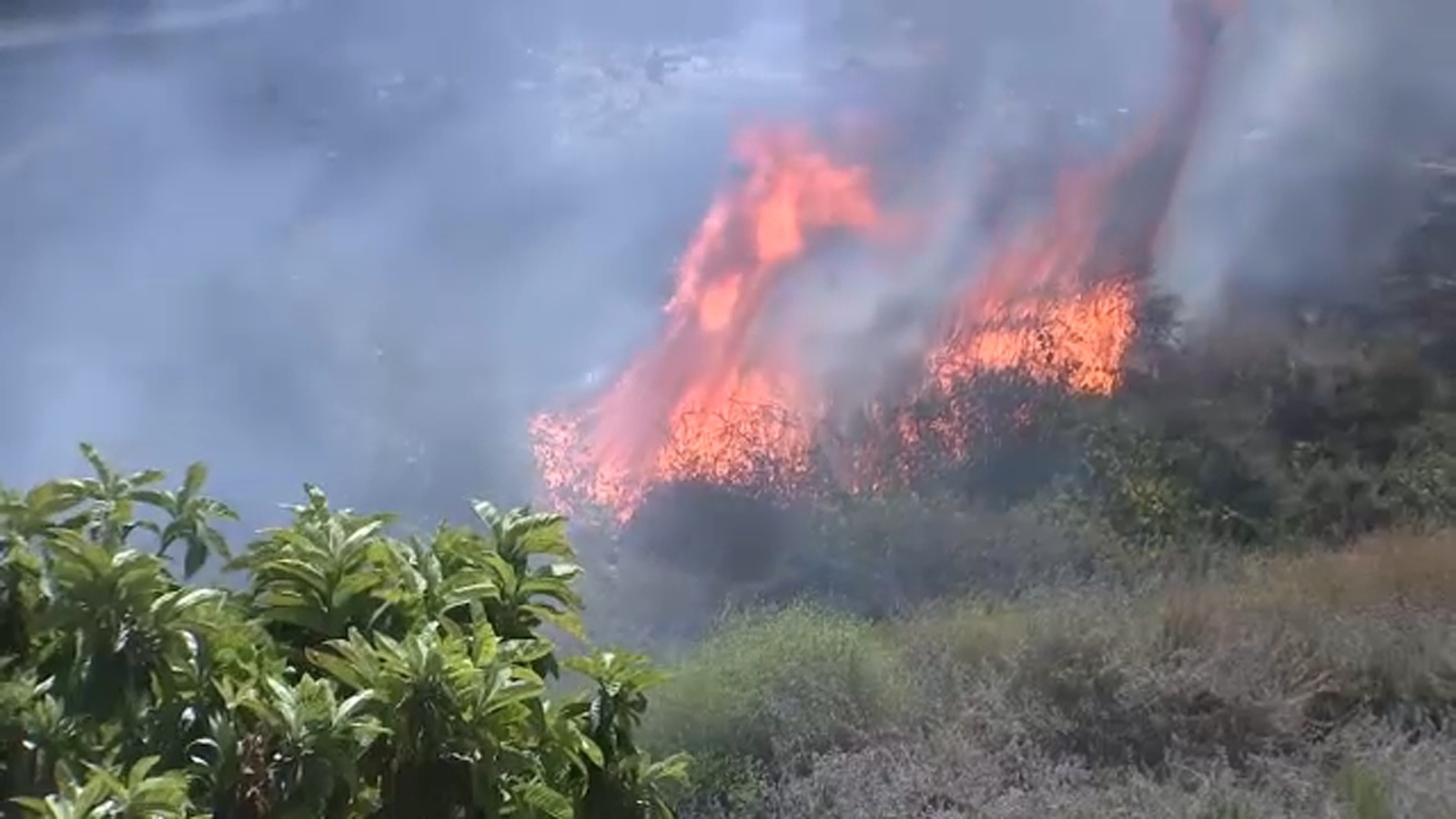
The Sandy Fire has expanded to 720 acres in Simi Valley, with evacuation orders and warnings now covering multiple zones in Ventura County and parts of Los Angeles County. About 500 firefighters are assigned to the blaze, which is still threatening structures, while a separate Angeles National Forest fire has burned about 30 acres with 0% containment. Temporary evacuation and large-animal shelter facilities have been opened in response.
This is a near-term disruption story first, but the second-order market effect is in property and municipal balance-sheet risk, not just fire response costs. Repeated evacuation expansion in Ventura/LA increases the probability of incremental claims leakage into homeowners, E&S carriers, and reinsurance layers, especially if structure losses are eventually confirmed and temporary shelters turn into longer displacement claims. The market typically underprices how fast a “contained geography” becomes a broader underwriting event once wind conditions force zone creep.
The cleaner trade is not the obvious utilities angle; it is the strain on housing-sensitive assets and local economic activity. Even without direct property destruction, a multi-day evacuation window can depress near-term foot traffic, service demand, and hotel occupancy in adjacent corridors while also delaying closings and remodeling activity in affected ZIP codes. That creates a short-lived but tradable negative impulse for regional retail and mortgage originators with California concentration, while benefiting catastrophe-exposed insurers only if the fire is contained before it becomes a multi-county claim event.
The contrarian view is that risk-off headlines can overshoot because the absolute acreage is still small relative to the cap at which the market starts to mark down statewide housing and infrastructure names. If suppression improves over the next 24–72 hours, the premium embedded in catastrophe and displacement names should fade quickly; if not, the real catalyst is not the fire itself but the next round of red-flag weather, which can reprice the entire West Coast fire-loss complex for the full season. The key is that the trade horizon is days, while the underwriting and insurance repricing implications extend into the next renewal cycle.
AI-powered research, real-time alerts, and portfolio analytics for institutional investors.
Request DemoOverall Sentiment
mildly negative
Sentiment Score
-0.35
