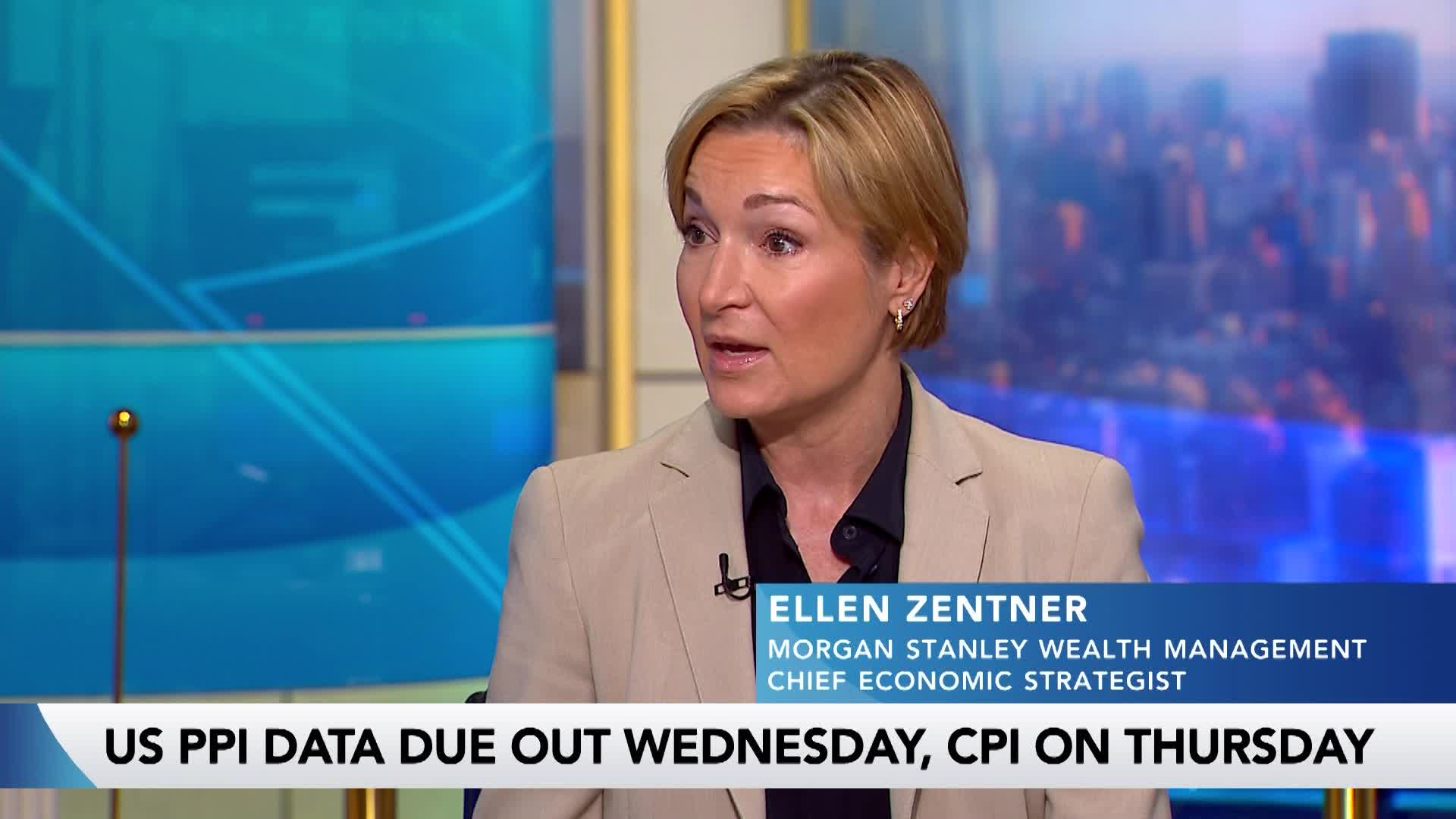
Morgan Stanley's Chief US Economist, Ellen Zentner, asserts that Federal Reserve policy rates do not require "drastic" reductions, signaling a potentially more gradual easing cycle than widely anticipated by markets. This outlook suggests a "higher-for-longer" interest rate environment, impacting asset valuations and investment strategies across various sectors.
Morgan Stanley's Chief US Economist, Ellen Zentner, has articulated a view that the Federal Reserve does not need to implement 'drastic' reductions in its policy rate. This perspective directly challenges market expectations for a more aggressive easing cycle and reinforces the 'higher-for-longer' interest rate narrative. The statement implies a cautious and gradual approach to monetary policy normalization, suggesting that the central bank will likely maintain a restrictive stance until there is more definitive evidence of sustained inflation control. This outlook, categorized with a mildly negative sentiment, signals potential headwinds for asset valuations, particularly for rate-sensitive equities and fixed-income instruments, as the cost of capital may remain elevated for a more extended period than previously anticipated by many market participants.
AI-powered research, real-time alerts, and portfolio analytics for institutional investors.
Request DemoOverall Sentiment
mildly negative
Sentiment Score
-0.20
Ticker Sentiment
