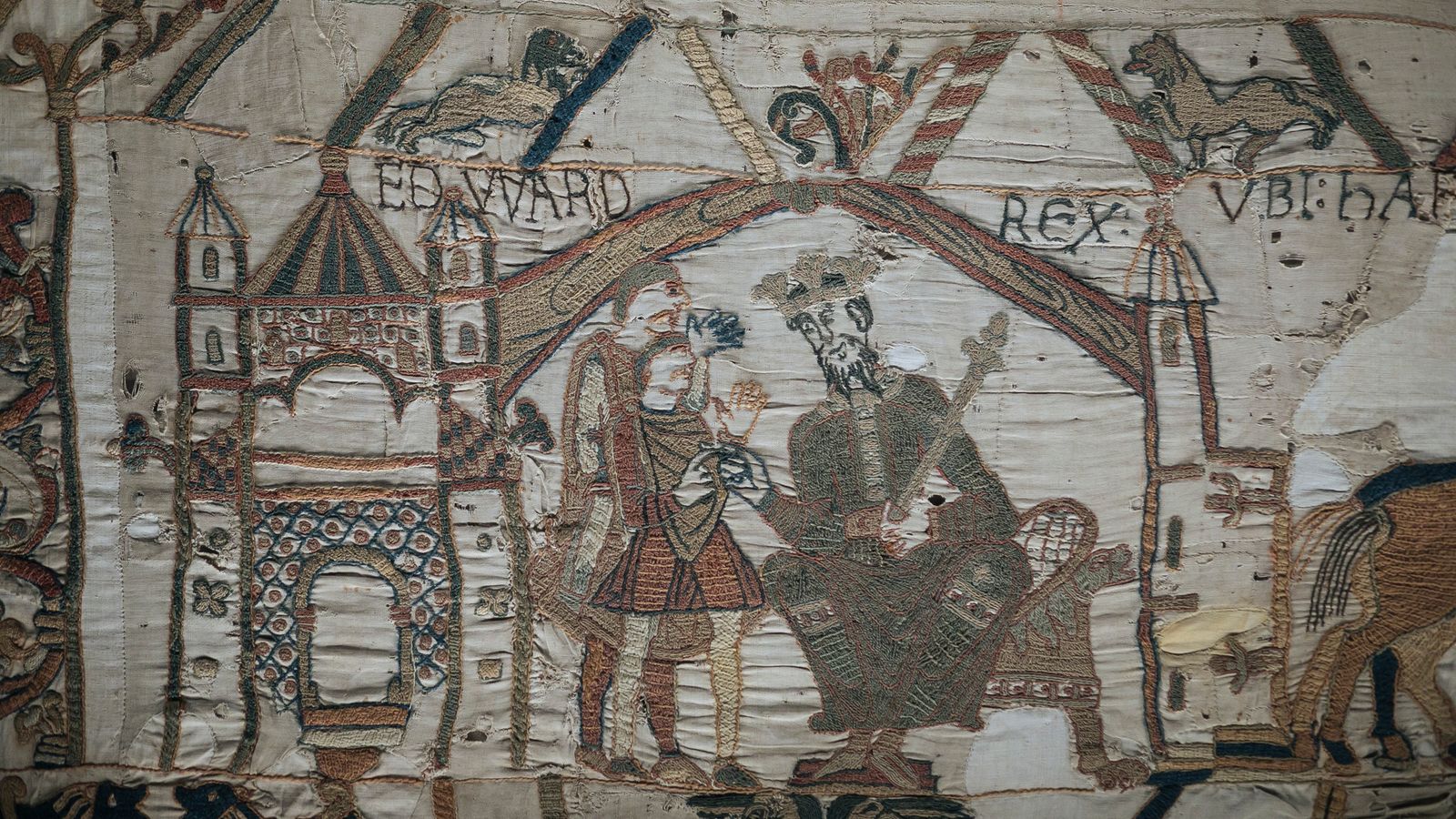
The Bayeux Tapestry will be covered by the UK Government Indemnity Scheme with a provisional valuation of around £800m, meaning the Treasury (and indirectly taxpayers) will underwrite damage or loss during transfer from Normandy and while on display at the British Museum from September 2026 to July 2027. The arrangement — part of a cultural exchange returning items such as the Sutton Hoo collection and the Lewis Chessmen to France — avoids commercial insurance costs (the scheme is estimated to have saved museums £81m) and includes detailed transport safeguards (special crate and a test run), although some French conservationists have warned of risk to the artefact.
Market structure: The Treasury indemnity (£800m cover on a single artefact) is a net negative for specialty commercial insurers that write high-premium, low-frequency art policies and for brokers who earn placement fees; it marginally reduces addressable premium pool (single-digit basis points on global P/C lines). Winners are public cultural venues (British Museum) and adjacent London hospitality/transport/security service providers that capture incremental footfall and contracts during Sep 2026–Jul 2027. The scale is material regionally (estimate +0.5–1.5% local tourist lift over 10 months) but immaterial to sovereign credit or broad insurance sector earnings beyond isolated specialty desks.
Risk assessment: Tail risks include an irreparable conservation loss (protest/transport accident) that forces repatriation and reputational/legal claims — a low-probability but high-impact event for UK museums and the government (contingent fiscal exposure). Timeline: immediate operational risks during transfer (next 6–12 months), demand/earnings effects to hotels/retail peaking Sep 2026–Jul 2027, and longer-term industry shifts (3–5 years) as insurers reprice art risk or exit segments. Hidden dependencies: reinsurance spellings, indemnity clauses, and activist protest trends; catalysts include the planned test-run, French political pushback, and any damage reports.
Trade implications: Favor concentrated, time-boxed longs in London-centric hospitality/higher-end retailers: establish small convective exposure to LSE:IHG and WTB ahead of Sep 2026 (entry by Mar–Jun 2026). Hedge downside to specialty insurers (NYSE:CB, NYSE:AIG) with short-dated puts (3–6 months) sized conservatively (<=1% NAV) to exploit headline-driven volatility. Security/logistics providers (STO:SECU‑B) are a tactical long for 6–12 months to capture contract wins around transfer/display.
Contrarian view: The market will underweight the indemnity’s precedent effect — repeated state-backed loans reduce commercial premium pools and can accelerate consolidation among niche underwriters, creating mid-term M&A opportunities in specialty insurance (18–36 months). Conversely, the immediate earnings impact on large insurers is negligible; a knee‑jerk sell-off of CB/AIG would be overdone. Historical parallel: ‘blockbuster’ exhibitions (e.g., Tutankhamun) show measurable tourism bumps that justify focused long positions but require precise event-timing execution.
AI-powered research, real-time alerts, and portfolio analytics for institutional investors.
Request DemoOverall Sentiment
neutral
Sentiment Score
0.05
