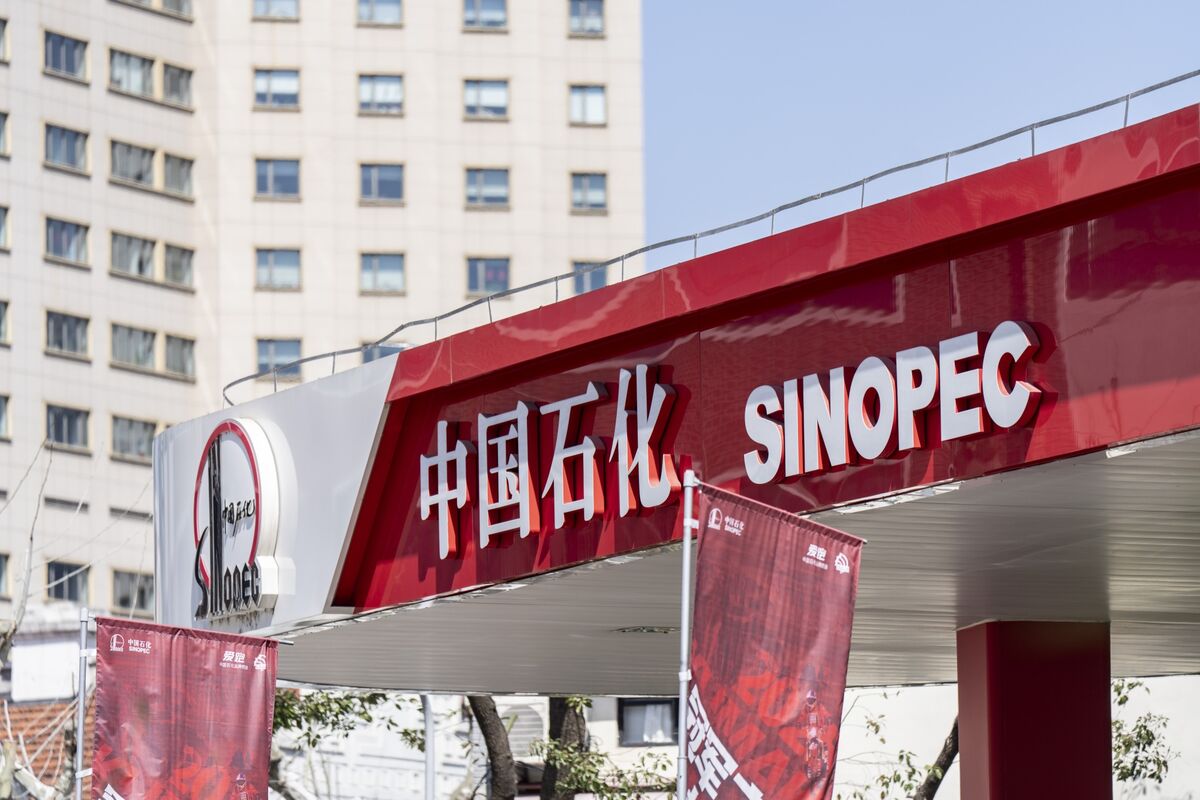
Sinopec cut operating rates by 5% in March to conserve crude and will prioritize ensuring domestic fuel supplies amid a prolonged Middle East conflict and shipping difficulties through the Strait of Hormuz. The company said the move is intended to protect fuel availability and reduce losses in its chemicals business, signaling operational strain from disrupted crude flows that could tighten regional product and crude markets.
The immediate micro-market lever is maritime logistics: any persistent disruption in the main export chokepoints raises spot and time-charter rates and increases the incentive to keep crude and fuel afloat as floating storage. A sustained 10–20% rise in VLCC/AFRA timecharters over 1–3 months materially widens owner cashflows and can flip publicly traded tanker equities from dividend-light names to high-single-digit free cash flow yields within a quarter.
A China-driven reduction in domestic petrochemical throughput will propagate through commodity chains: expect Asian ethylene/propylene spreads to firm versus Atlantic basins over a 2–6 month window, pulling more cargoes west-to-east and triggering feedstock arbitrage. That flow rebalancing benefits global chemical majors able to redirect volumes (raising EBITDA per tonne by an incremental $50–$150 in tight months) while pressuring domestic Chinese specialty chemical suppliers who can’t easily replace lost throughput.
Key catalysts and tail risks cluster around diplomacy and inventory policy. A negotiated short ceasefire or targeted re-opening of shipping lanes would compress freight and petrochemical spreads within 30–90 days, while larger-scale escalation or protracted insurance premium hikes could entrench the current repricing for 6–12+ months. Watch Chinese SPR releases, bilateral crude-swap announcements, and P&I/war-risk premium moves as high-frequency signals for trade exits.
The consensus misprices optionality: markets under-appreciate tanker owners’ convexity to episodic supply frictions and over-price permanent demand loss for petrochemicals. Positioning that captures transient freight convexity while hedging policy/peace catalysts offers asymmetric returns over the next 3–9 months.
AI-powered research, real-time alerts, and portfolio analytics for institutional investors.
Overall Sentiment
mildly negative
Sentiment Score
-0.25
