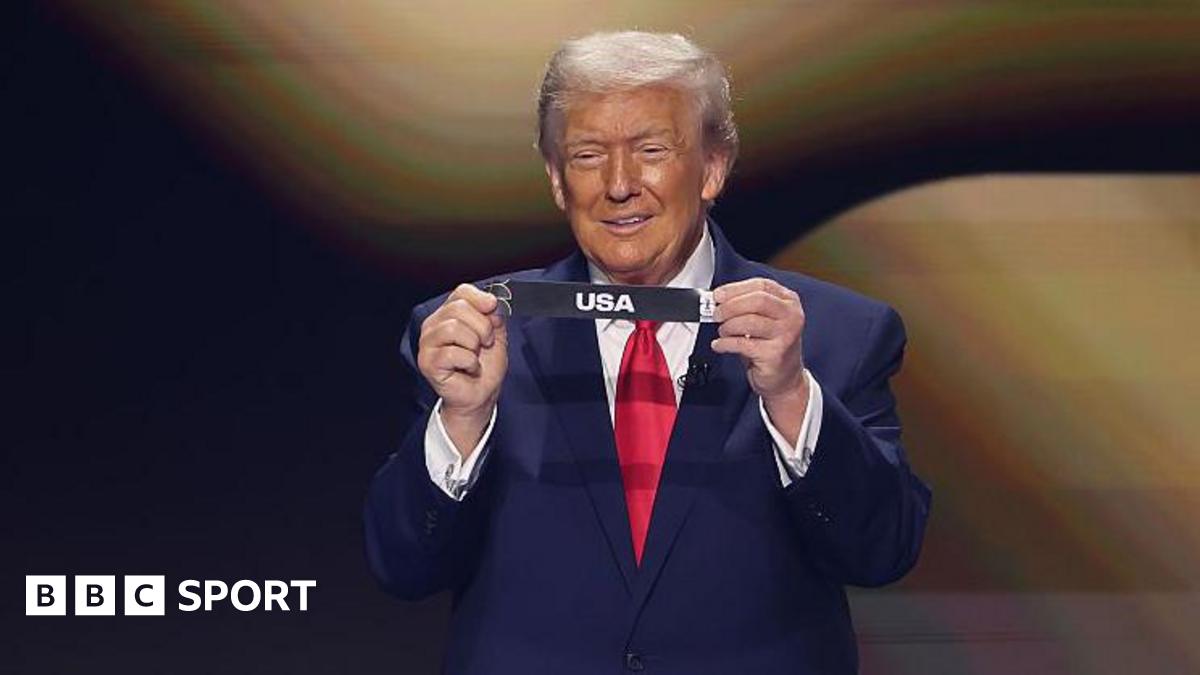
Nearly $900m in FEMA World Cup security grants earmarked for 11 U.S. host cities has been frozen amid a partial federal shutdown, delaying security preparations and prompting warnings of potentially "catastrophic" consequences. Miami’s host committee says it requires $70m by the end of March to avoid cancelling events; FEMA launched a $625m grant program in November that was increased by $250m in December to bolster venue and unmanned aircraft system protections. The funding impasse has left local police short-staffed in some cities and put staging and Fan Fest build schedules at risk ahead of the 11 June tournament start, raising operational and reputational risks for municipalities and contractors involved.
Market structure: The immediate winners are short-term cash/liquidity providers (banks offering bridge facilities to host committees) and private security contractors if cities scramble for private hires; losers are municipal event-revenue dependent issuers, local vendors (catering, staging) and smaller security subcontractors that rely on FEMA timing. Pricing power shifts toward prime defense/security integrators with balance-sheet capacity to frontload work (Leidos, LHX, BAH), while smaller local vendors face acute working-capital stress over the next 30–90 days.
Risk assessment: Tail risks include a partial cancellation scenario (low-probability but high-impact) that could erase incremental local GDP and stress muni credits tied to event revenues; this would materialize if funding remains frozen past late March (70–90 day window). Hidden dependencies: insurance/indemnity clauses, subcontractor liens, and municipal liquidity lines that could transmit localized shocks to short-dated muni paper. Key catalysts: end of the shutdown/funding release (positive), public cyber/terror incident (negative) and FIFA/host-committee contingency funding decisions.
Trade implications: Tactical short-duration plays favor buy-protective puts on government-contractor names with direct FEMA/DHS exposure (1–2% portfolio, June expiries) and opportunistic call spreads on national hoteliers/airlines (MAR, HLT, ABNB, DAL) if funds release — size 2–3% with strikes 5–10% OTM into July/August. Avoid long-duration muni exposure to event-linked bonds; prefer cash/T-bills as dry powder until March funding clarity.
Contrarian angles: Consensus overstates systemic risk — $900m is small relative to US muni market; many contracts will be restructured or privately financed short-term. The market may underprice a quick relief rally: if funds arrive by end-March, expect a sharp 3–6% re-rating in local hospitality/security stocks; conversely, cancellation risk is binary and should be covered with near-term options rather than directional large-cap shorts.
AI-powered research, real-time alerts, and portfolio analytics for institutional investors.
Request DemoOverall Sentiment
moderately negative
Sentiment Score
-0.40
