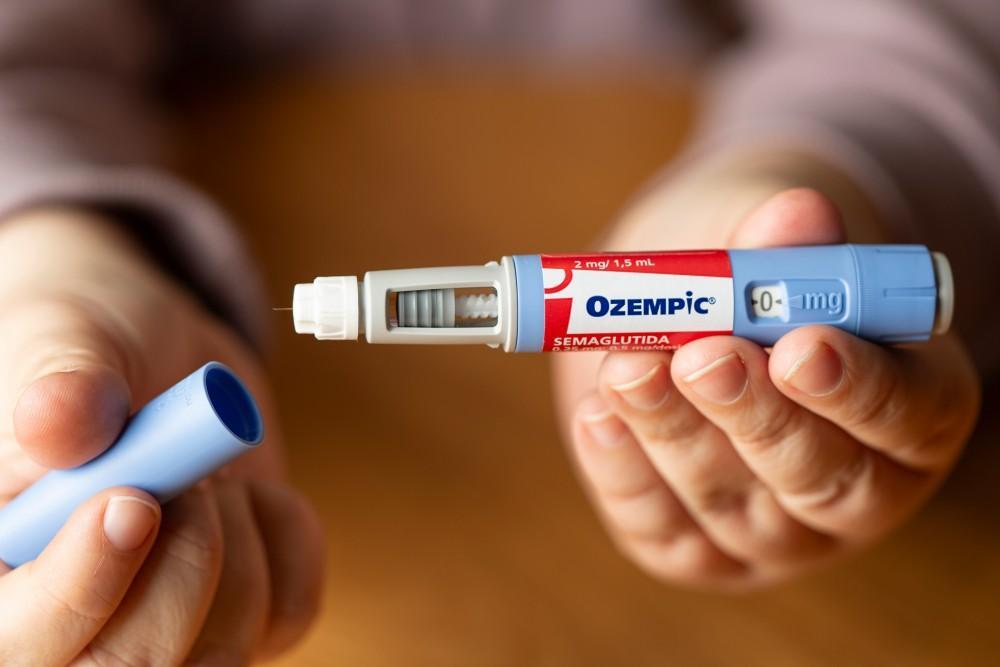
A meta-analysis of 37 clinical trials covering more than 9,300 patients found that stopping GLP‑1 weight‑loss therapies (about half the participants were on semaglutide or tirzepatide) results in weight regain at roughly 0.4 kg per month, with patients returning to pre‑treatment weight in under two years and cardio‑metabolic benefits dissipating in about 1.4 years. The data imply many patients will require lifelong treatment, creating significant cost and reimbursement pressure for health systems and payors while simultaneously underpinning prolonged revenue potential for manufacturers—raising risks of pricing, access, and regulatory scrutiny.
Market structure: Incumbent GLP‑1 makers (Novo Nordisk NVO, Eli Lilly LLY) are primary beneficiaries from a shift to lifelong therapy because lifetime recurring revenue per patient could be 2–5x one‑year sales; this increases their pricing power but also attracts intense payer scrutiny. Direct losers include consumer/behavioral weight‑loss providers (WW), boutique clinics, and undercapitalized EM clinics that rely on one‑off demand; insurers/PBMs face higher chronic drug spend and budgeting pressure.
Risk assessment: Near term (0–3 months) the biggest risks are payer reimbursement shifts and publicity/regulatory hearings that can cause >10–20% intraday moves in names with high GLP‑1 exposure. Medium term (3–12 months) supply constraints, manufacturing scale‑up failures, or safety signals are plausible tail risks; long term (2–5 years) patent expiries, biosimilars and aggressive price caps in major markets could halve margins. Hidden dependencies include adherence/dropout rates (study shows ~0.4kg/month regain) and EM out‑of‑pocket uptake—if adherence is poor, lifetime revenue falls sharply.
Trade implications: Favor long, controlled‑risk exposure to NVO and LLY via 9–15 month call spreads (express view while funding limited capital); selectively short WW (WW) and pure‑play behavioral names that rely on stop‑gap narratives. Hedging: buy 6–12 month 10–15% OTM put spreads on large insurers (UNH, CVS) sized to cover pharmacy spend shock; rotate into large‑cap pharma and diagnostics, reduce consumer wellness exposure by 1–3% of portfolio.
Contrarian angles: The market underestimates that lifetime therapy expands TAM and stickiness for incumbents—if payers accept chronic coverage this is a multi‑year secular tailwind for NVO/LLY. Conversely, consensus may be overpricing perpetual uphill pricing power—a regulatory price cap (e.g., Medicare negotiation) would be rapid and severe. Historical parallel: statins faced early payer resistance then mass reimbursement; watch patent cliffs and biosimilar timelines (24–36 months) as key secondary risks.
AI-powered research, real-time alerts, and portfolio analytics for institutional investors.
Request DemoOverall Sentiment
moderately negative
Sentiment Score
-0.40
