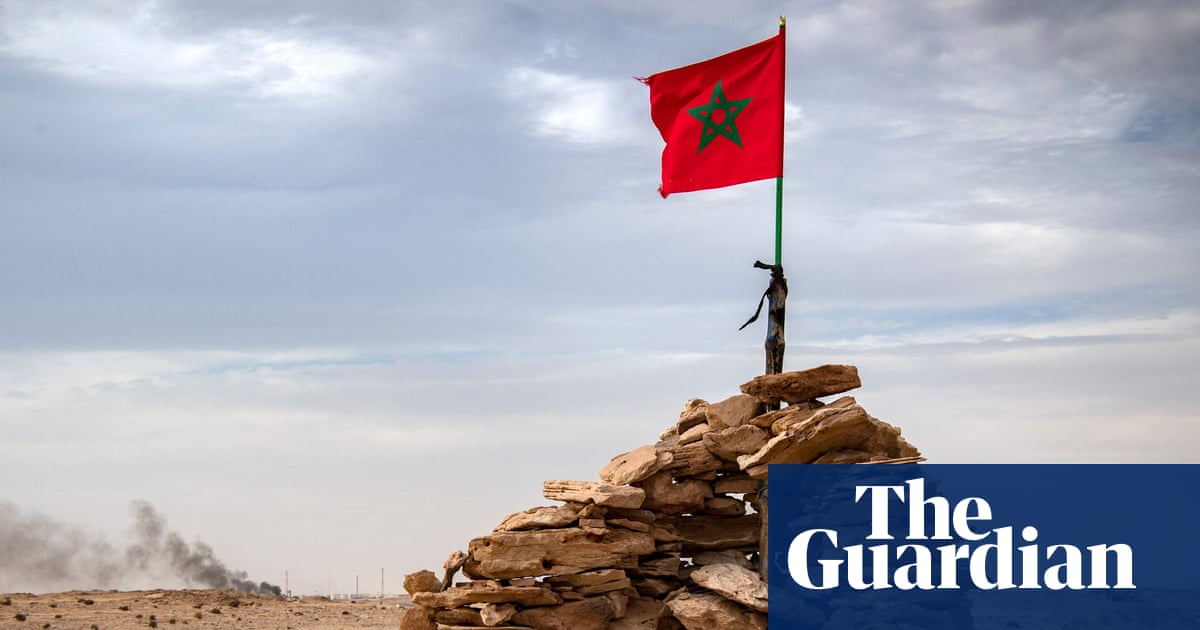
The UN Security Council has approved a US-backed resolution significantly bolstering Morocco's claim to the phosphate-rich Western Sahara, marking the strongest international endorsement yet for Morocco's autonomy plan over a self-determination referendum. This resolution, supported by the US, most EU members, and a growing number of African allies, renews the UN peacekeeping mission and calls for a lasting peace, despite fierce opposition from Algeria and the Polisario Front. The move, which follows Morocco's substantial infrastructure investments in the territory, could reshape North African geopolitical dynamics and influence future resource access and regional stability.
The UN Security Council has approved a US-backed resolution significantly bolstering Morocco's claim to the disputed Western Sahara, marking the strongest international endorsement yet for Morocco's autonomy plan. This resolution, passed with 11 votes in favor and 3 abstentions, explicitly refers to Morocco's proposal as a "basis for negotiation" and suggests "genuine autonomy under Moroccan sovereignty could constitute a most feasible solution," a notable departure from previous, less definitive UN texts. The US, which sponsored the resolution, views this as a historic step towards peace, while Algeria and the Polisario Front vehemently oppose it.
This development is poised to reshape North African geopolitical dynamics, with Morocco's King Mohammed VI hailing it as a "victorious chapter" and the conflict serving as a "driving force in North African diplomacy." However, the Polisario Front has rejected any process aiming to legitimize what it terms an "illegal military occupation," leading to ongoing demonstrations and "low-level hostilities" since their 2020 ceasefire withdrawal. The resolution renews the UN peacekeeping mission for another year and mandates a review within six months, indicating a potentially unsettled and accelerated process.
Economically, the phosphate-rich Western Sahara has seen substantial Moroccan infrastructure investment, including a deepwater port and a 656-mile highway, alongside state subsidies maintaining low food and energy prices. The US's "a la carte" approach to UN funding, coupled with its sponsorship of this resolution, underscores a strategic interest that could influence future resource access and regional stability. This shift could impact long-term investment considerations in the region, particularly concerning natural resources and infrastructure development.
AI-powered research, real-time alerts, and portfolio analytics for institutional investors.
Request DemoOverall Sentiment
mildly positive
Sentiment Score
0.25
