The Pentagon's decision to redeploy approximately 800 troops from Eastern Europe, specifically the 2nd Infantry Brigade Combat Team from Romania, has sparked significant pushback from leading congressional Republicans. Critics argue this move, occurring amid U.S. efforts to pressure Russia into Ukraine ceasefire negotiations, sends a detrimental signal to Moscow and risks inviting further aggression. While U.S. military command asserts the adjustment reflects increased European capability and no diminished NATO commitment, the internal political dissent underscores potential shifts in U.S. foreign policy posture and regional security dynamics, which could influence geopolitical risk assessments.
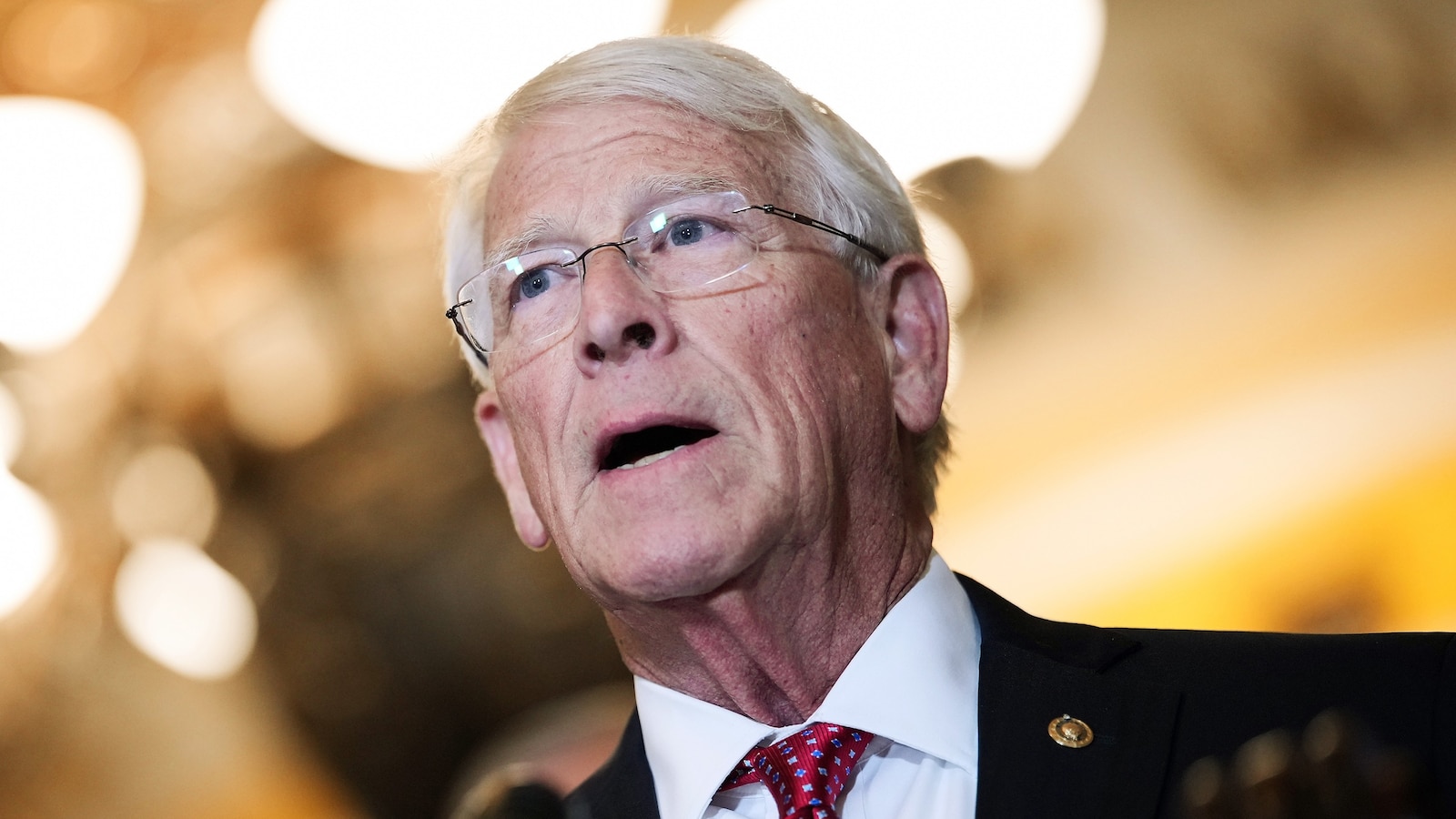
The Pentagon's decision to redeploy approximately 800 troops, specifically the 2nd Infantry Brigade Combat Team from Romania, without replacement, has drawn sharp criticism from leading congressional Republicans. Sen. Roger Wicker and Rep. Mike Rogers argue this move sends the "wrong signal" to Russia amidst U.S. efforts to pressure Vladimir Putin into Ukraine ceasefire negotiations. They contend the decision risks "inviting further Russian aggression" and appears uncoordinated with presidential strategy.
U.S. Army Europe and Africa, along with a senior NATO official, assert this adjustment is not a withdrawal or diminished commitment to NATO, but rather a "positive sign of increased European capability and responsibility." Romania's defense minister confirmed about 1,000 U.S. troops will remain, and the overall U.S. force posture in Europe remains larger than pre-2022 levels. This official narrative aims to mitigate concerns about regional stability.
The rare, forceful pushback from congressional Republicans against the Trump administration highlights significant internal political dissent regarding defense policy and geopolitical strategy. This internal disagreement, coupled with the "moderately negative" sentiment and "critical" tone signal, suggests potential for increased uncertainty in U.S. foreign policy. The situation underscores evolving dynamics within NATO and the broader European security landscape, particularly concerning Russia's posture.
AI-powered research, real-time alerts, and portfolio analytics for institutional investors.
Request DemoOverall Sentiment
moderately negative
Sentiment Score
-0.40
