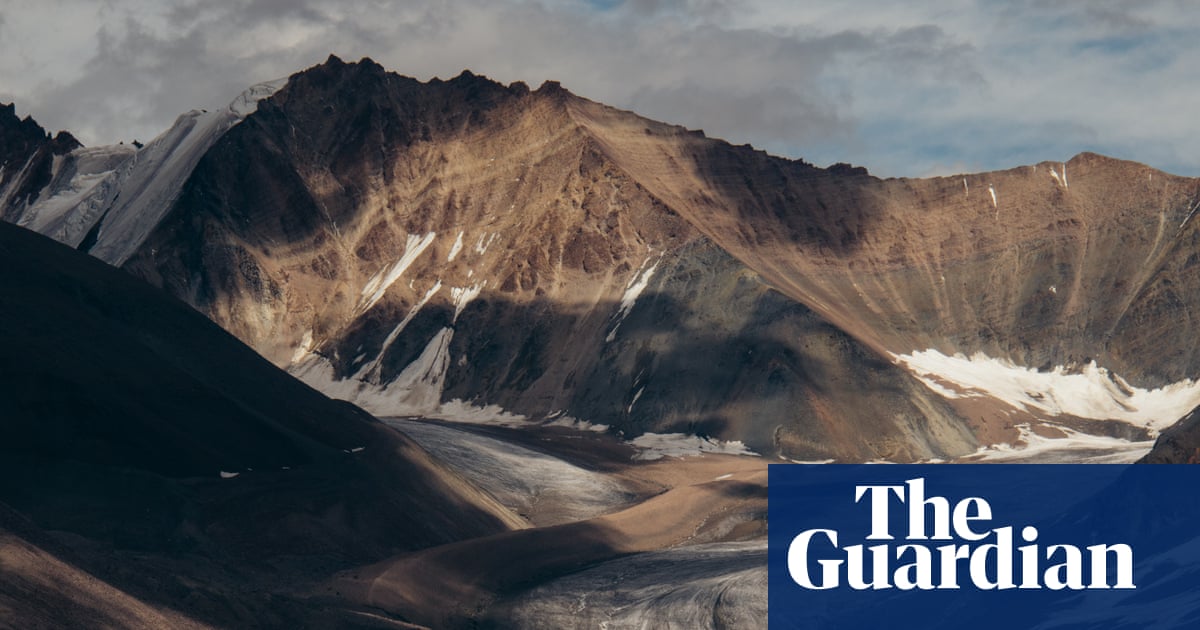
A new study published in Science finds that nearly 40% of the world's glaciers are already destined to melt due to existing climate-heating emissions, and that number could rise to 75% if global temperatures increase by 2.7C; this level of glacier loss would significantly contribute to sea level rise, threatening coastal populations and disrupting water resources for billions. While limiting warming to 1.5C could save half of the glacier ice, the researchers emphasize that every tenth of a degree of avoided warming will substantially reduce ice loss and its associated consequences.
A comprehensive study published in Science indicates that nearly 40% of global glaciers are irreversibly committed to melting due to current climate-heating emissions, a figure projected to reach 75% if global temperatures rise by 2.7°C. This substantial ice loss is anticipated to cause an 11cm rise in sea levels from already doomed glaciers, escalating to 23cm under the 2.7°C warming scenario, posing severe risks to coastal populations, disrupting water supplies for billions who depend on glacial runoff for agriculture, and destabilizing ecosystems. The research highlights critical regional vulnerabilities, with 75% of glaciers in western US and Canada already set to disappear, contrasting with more resilient, yet still threatened, glaciers in the Hindu Kush and Karakoram. While achieving the 1.5°C warming limit could salvage half of the glacier ice, the study stresses that each tenth of a degree of avoided warming is crucial, potentially saving 2.7 trillion tonnes of ice. The analysis, based on multiple glacier models, suggests that melting will persist for centuries, implying long-term landscape transformation and substantial future costs for adaptation, such as enhanced coastal defenses, aligning with the pessimistic sentiment (-0.75 score) surrounding the report's implications.
AI-powered research, real-time alerts, and portfolio analytics for institutional investors.
Overall Sentiment
strongly negative
Sentiment Score
-0.75
