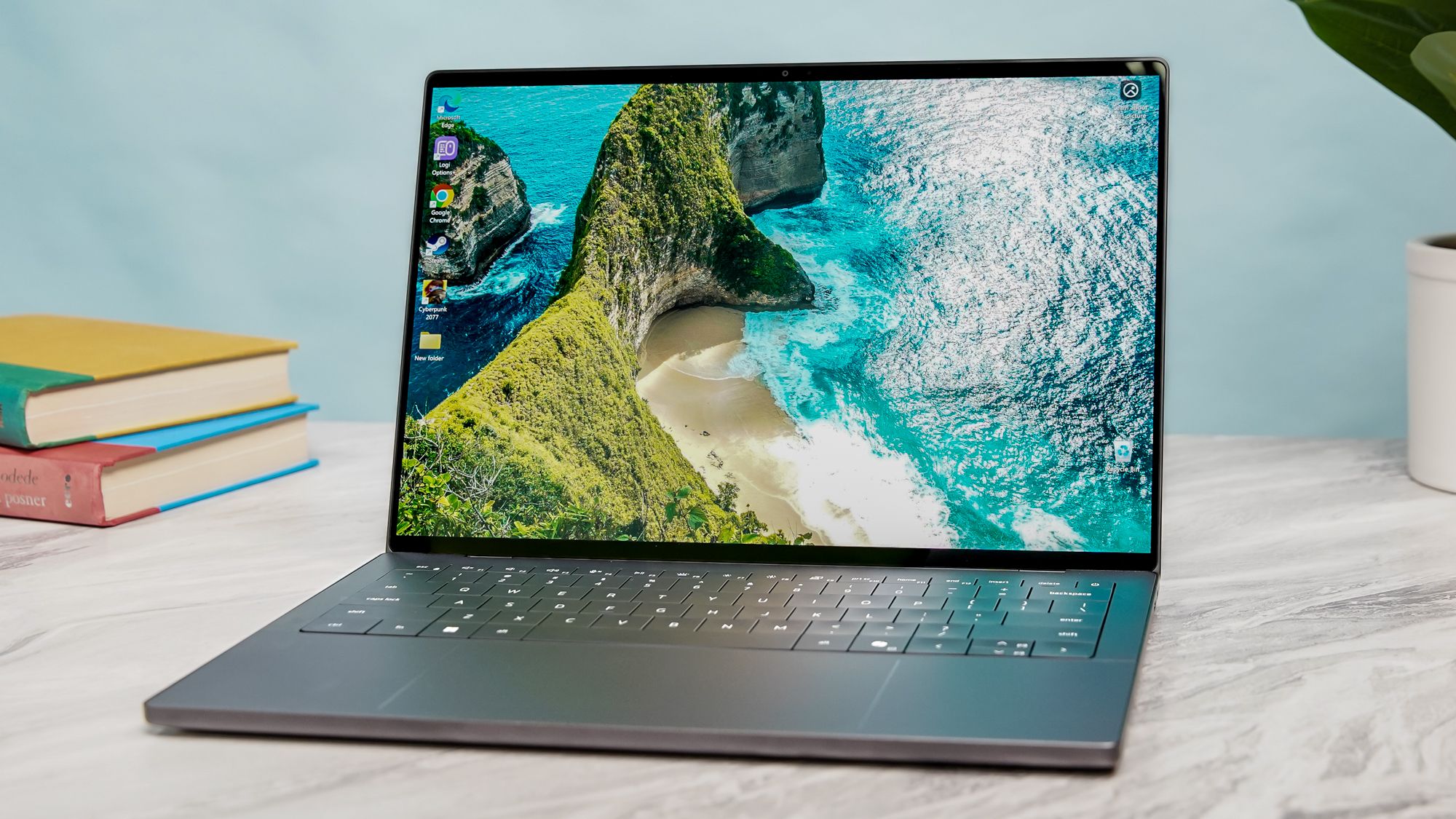
Dell relaunched the XPS 14 (2026) with a $2,199 flagship configuration featuring an Intel Core Ultra X7 358H, integrated Intel Arc graphics, 32GB RAM, 1TB storage and a 14-inch 2.8K Tandem OLED; the unit weighs 3 pounds and offers 3x Thunderbolt 4 ports. Early benchmark results show Geekbench 6 scores of 2,867 single / 16,927 multi and a Handbrake transcode of 4:32, outperforming Dell's 2025 model and narrowing the gap with Apple’s M5 MacBook Pro, while gaming with Intel XeSS is playable at 1080p; battery life measured 12:23 (web), up from 8:16 last year. The review highlights a design reset (return of physical function keys, improved touchpad tactile feedback), strong real-world performance gains and an improved OLED panel tuned for efficiency—factors that could aid consumer reception though the device still trails the MacBook Pro on peak brightness and absolute battery leadership.
Market structure: Dell (DELL) is positioned to regain share in the premium Windows ultraportable segment by combining a competitive price point ($2,199 for the tested unit), Panther Lake CPUs (INTC) and Tandem OLED panels — this directly benefits DELL and INTC while exerting incremental pressure on discrete mobile GPU demand (NVDA) and premium OEMs whose designs remain experimental. Expect modest pricing power: Dell can defend mid-20% ASPs in the segment if sell-through improves, but Apple (AAPL) keeps a structural advantage on efficiency and battery, capping Dell’s upside near parity rather than displacement.
Risk assessment: Tail risks include Panther Lake supply delays (article flags Intel delays), OLED yield or burn-in surprises, and channel inventory overhang; any of these could wipe out expected share gains within 30–90 days. Time horizons split: immediate sentiment move (days–weeks) around reviews and retail listings, measurable revenue/units impact in the next two quarters, and durable share shifts only over 12–24 months if Dell sustains repeatable wins; hidden dependency: Dell’s upside is tightly coupled to Intel production cadence and panel supply, not just product quality.
Trade implications: Direct plays favor a modest long in DELL and tactical exposure to INTC adoption of Panther Lake — size positions as 1.5–3% of risk capital and target a 15–25% upside over 6–12 months while using stop-losses at ~12%. Relative-value: long DELL vs small short NVDA (net hardware share gain vs discrete GPU demand) for a 3–9 month horizon; use 6–12 month call spreads on DELL/INTC to cap capital at risk and exploit likely low-to-moderate IV. Sector rotation: increase allocation to PC hardware and display suppliers, reduce allocation to mobile discrete GPU exposure until clearer sell-through data arrives.
Contrarian angles: The market may underprice the durability of Dell’s operational fixes — physical keys, lighter chassis, and practical ports materially restore enterprise buying intent, which can drive repeat orders (6–18 months) that reviews understate. Conversely, consensus may overreact by shorting NVDA — datacenter exposure still dominates its earnings, so any aggressive short should be small and hedged; historical parallel: mid-cycle OEM design recoveries (Lenovo/HP) produced multi-quarter share rebounds but rarely displaced Apple’s premium position. Unintended consequence: stronger Dell/Intel uptake could compress small discrete GPU laptop sales but raise component lead times and input costs, pressuring OEM margins if demand spikes >20% QoQ.
AI-powered research, real-time alerts, and portfolio analytics for institutional investors.
Request DemoOverall Sentiment
moderately positive
Sentiment Score
0.60
Ticker Sentiment
