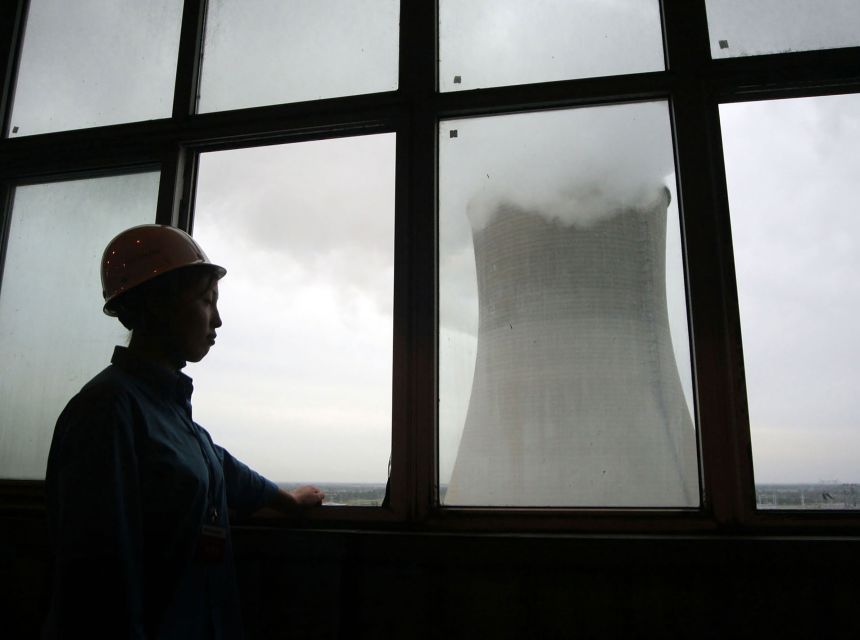
China has committed to reducing its peak planet-warming pollution by 7-10% over the next decade, an official target considered modest but underpinned by a significant economic reality: its aggressive expansion in renewable energy. With 1,400 GW of wind and solar already online and plans to reach 3,600 GW, China is cementing its global leadership in clean energy deployment, creating divergent market trajectories compared to the US's current stance. This strategic pivot positions China to drive substantial investment into green technologies, despite the headline target's perceived lack of ambition from an environmental perspective.
China's commitment to reduce peak pollution by 7-10% over the next decade is a politically cautious headline figure that belies a far more significant economic and industrial reality. While the target falls short of diplomatic pressures, such as the 30% cut sought by the US, China's history of overachieving on climate goals and its dominant position in renewables suggest a powerful underlying momentum. Independent analysis indicates its emissions peak may have already occurred five years ahead of its 2030 schedule. The core of this transition is a massive expansion in clean energy infrastructure; China plans to grow its solar and wind capacity from an existing 1,400 gigawatts—five times the US operational capacity—to a staggering 3,600 gigawatts. This state-driven industrial policy creates a sharp divergence with the current US stance, which favors fossil fuels and has exited the Paris Agreement. President Xi's framing of the green transition as the "trend of our time" signals a long-term strategic pivot, positioning China to lead the global energy transition through sheer scale of deployment and manufacturing, regardless of the perceived modesty of its official pledge.
AI-powered research, real-time alerts, and portfolio analytics for institutional investors.
Overall Sentiment
moderately positive
Sentiment Score
0.50
