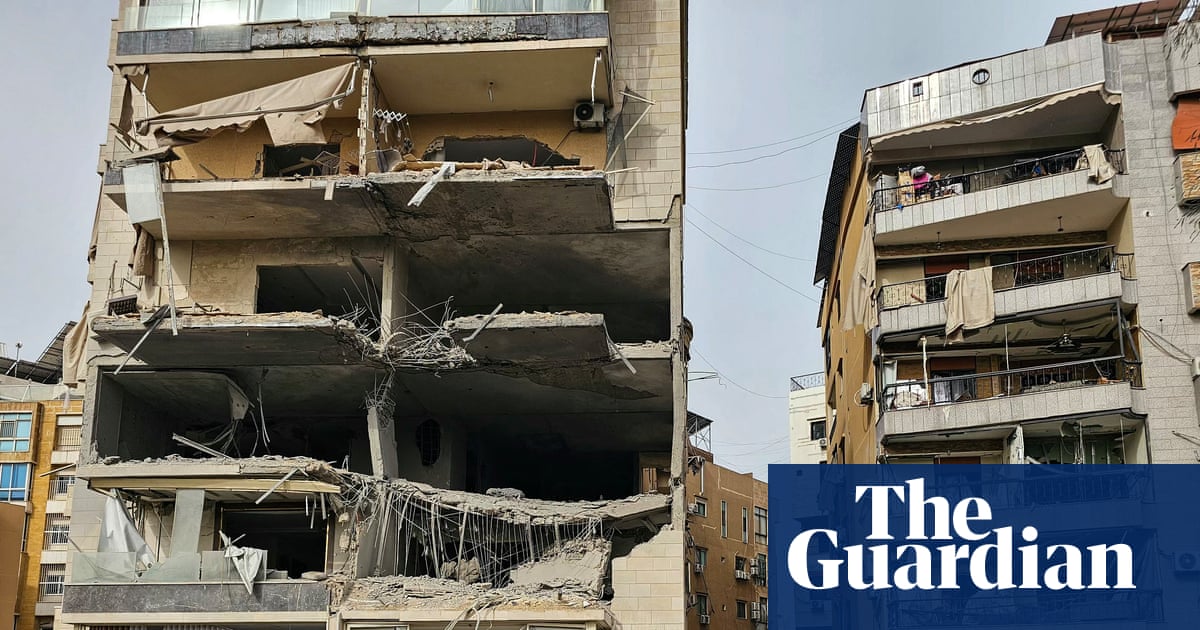
The Strait of Hormuz is effectively closed, with shipping volumes down >90% from pre-conflict levels and only 10 vessels transiting on Wednesday, driving oil-price spikes and global supply shortages. Israel reported it struck ~400 Iranian targets after Iran launched ~10 missiles into central Israel; casualty estimates include ~1,900 killed and 20,000 injured in Iran and 1,260 killed in Lebanon, signaling rapid escalation. Commodity and supply-chain risks (oil, fertiliser, medicines) have materially increased, raising inflation and logistics disruption risks for portfolios. US rhetoric about a quick withdrawal and continued 'spot hits' plus mixed ceasefire signals add political uncertainty and tail-risk to markets.
The immediate market transmission will be logistics-driven: closure or impairment of a key chokepoint forces tankers to reroute around Africa, adding roughly 8–14 days per voyage and incrementally $0.5–1.5m in voyage costs for a VLCC. That cost shows up as sharply higher time-charter rates and war-risk/insurance premiums, compressing refinery intake economics in regions dependent on short-haul flows while enlarging margins for producers with export flexibility. Expect acute volatility in tanker equities and freight derivatives over the next 2–8 weeks as spot rates repriced and forward curves re-anchor.
Mid-cycle second-order effects amplify non-energy inflation: fertilizer and petrochemical supply chains are sensitive to both shipping and feedstock disruptions, so expect spot fertiliser prices to lead agricultural input inflation within 1–3 months and to pressure producer margins in the following planting season. Manufacturing inputs reliant on timely light-ends and specialty chemicals will see order-book jitter, raising inventory-to-sales targets and lengthening lead times for critical medical and industrial inputs.
Credit and FX are the hidden accelerants: EM sovereign and corporate CDS in import-dependent economies will reprice within days, and narrow oil-exporter FX will strengthen, shifting capital flows into commodity balances and defense spending. Politically driven policy noise will remain the dominant catalyst — a credible, negotiated reopening could snap markets back in 1–4 weeks; sustained disruption would convert transient shocks into multi-quarter supply reallocation and capex cycles for shipping and defense over 12–36 months.
Consensus is pricing a multi-month permanent closure; that overstates tail permanence. Much of the premium sits in short-dated freight and insurance — these are mean-reverting if naval escorts, temporary corridors, or diplomatic spillovers restore partial transit. Tactical trades should therefore express convexity to short-dated risk while keeping optionality for a longer, multi-quarter structural repricing in energy, shipping, and fertilizer chains.
AI-powered research, real-time alerts, and portfolio analytics for institutional investors.
Request DemoOverall Sentiment
strongly negative
Sentiment Score
-0.80
