Five new independent directors were appointed effective March 31, 2026, and Elliott agreed to customary standstill and voting commitments, leaving Norwegian Cruise Line Holdings with a nine-member board of which eight are independent. Shares briefly spiked on the governance deal but ended lower as higher oil prices weighed on the stock; the company operates 35 ships with nearly 75,000 berths. John W. Chidsey was named Chairman and Alex Cruz will serve as Lead Independent Director; Goldman Sachs & Co. and Paul Hastings advised the company.
Governance remediation here should remove a near-term activist overhang and reprice agency risk — that’s constructive for equity multiples even before operational progress. Expect the clearest winners to be service providers and refinancing/refurb vendors with flexible capacity: if the board pushes margin programs, spend will tilt toward yield-enhancing retrofit work and customer-facing upgrades rather than bulk capacity expansion, concentrating spend into a smaller industrial subset over the next 6–18 months. Competitors with older, less-differentiated fleets (RCL/CCL) face a second-order risk: they either have to match yield-driven product enhancements or cede higher-margin premium cruisers, which will widen revenue/ADR dispersion across the sector.
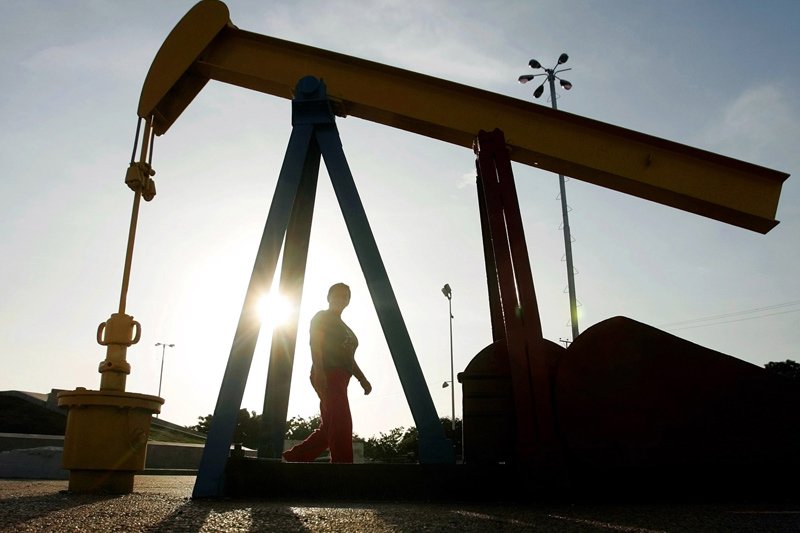
Primary risks are macro (booking elasticity) and fuel; both operate on different cadences. Sentiment can swing in days on headline oil moves or a booking update, but meaningful EBITDA/capital-allocation changes will take 6–24 months to materialize — activist-style restructurings typically show measurable FCF lift only in the second year. As a sizing rule, an incremental $10/bbl move in marine fuel is likely to compress cruise EBITDA margins on the order of ~50–150 bps depending on hedging, so oil and hedging policy are binary catalysts that can quickly reverse any governance-driven rerating.
Consensus frames this as a governance win — the contrarian edge is that the standstill may also limit further shareholder discipline while giving management runway to pursue either accretive restructuring or shareholder-friendly payouts; both paths require execution risk and could involve higher leverage. Trade accordingly: short-dated volatility can be a cheap way to express a governance-driven upside while using a pair trade to hedge macro/fuel exposure. Watch 6–12 month booking cadence and next fuel-hedge disclosures as actionable catalysts.
AI-powered research, real-time alerts, and portfolio analytics for institutional investors.
Request DemoOverall Sentiment
mildly positive
Sentiment Score
0.15
Ticker Sentiment
