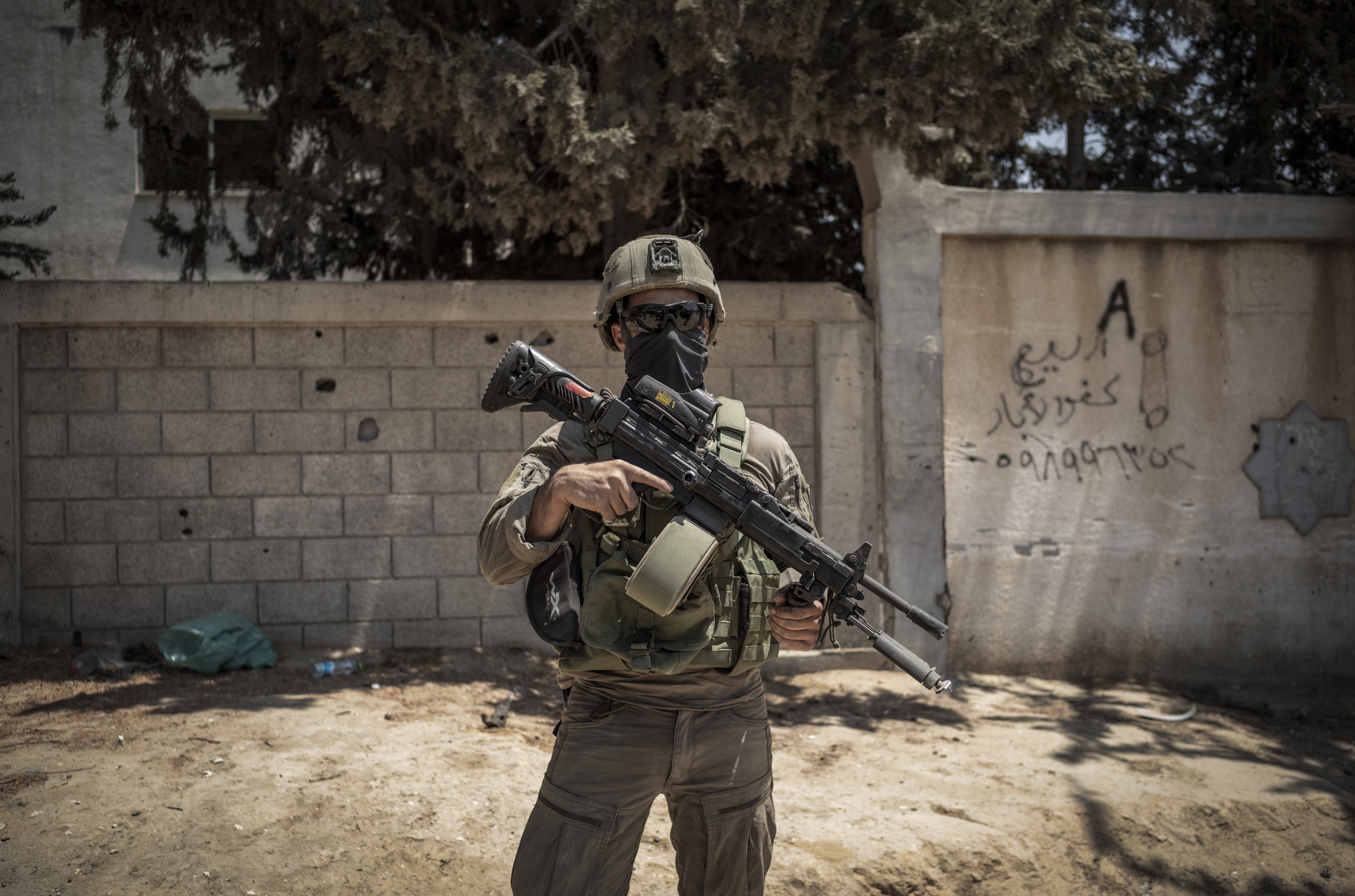
Israeli military leadership confirmed its campaign against Iran and its regional proxies remains active, despite a recent ceasefire, citing ongoing operations in Gaza, Syria, and against Hezbollah. IDF Chief of Staff Lt. Gen. Eyal Zamir emphasized the 'heavy price' of current conflicts but affirmed objectives to dismantle Hamas and secure hostages. This sustained regional instability is further underscored by upcoming nuclear talks in Istanbul between Iran and E3 nations, critical for averting renewed sanctions on Tehran.
Recent statements from Israel's top military command confirm that its campaign against Iran and its regional proxies is not over, signaling a persistent and high-risk geopolitical environment despite a recent ceasefire. The IDF Chief of Staff's hawkish tone underscores a commitment to continued military operations across multiple fronts, including Gaza, Syria, and Lebanon, even while acknowledging a 'heavy price in combat.' This sustained conflict posture directly elevates regional instability. Critically, these military developments form the backdrop for upcoming nuclear talks in Istanbul between Iran and the E3 nations (France, Germany, UK). The outcome of these negotiations is a significant catalyst, as failure could lead to the reimposition of international sanctions on Tehran, further impacting global energy markets and regional security dynamics. The situation is characterized by high tension, with both military action and diplomatic pressure points converging, creating a volatile outlook with a high potential for market impact.
AI-powered research, real-time alerts, and portfolio analytics for institutional investors.
Request DemoOverall Sentiment
strongly negative
Sentiment Score
-0.70
