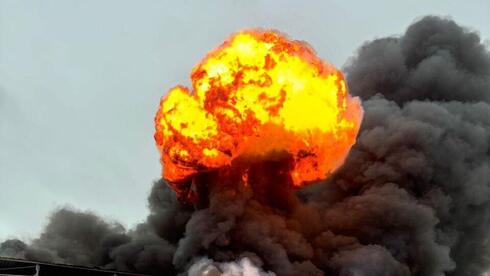
An Iranian missile interception caused fragments to hit an Adama pesticide warehouse in Neot Hovav, sparking a large fire, evacuation alerts for thousands of nearby workers, and one person treated; the facility employs ~600 people and damage was reported limited to storage. Separately, the Haifa Bay petrochemical evacuation timetable has been pushed to 2031 (second delay), affecting Bazan — which supplies ~65% of Israel’s distillates — and requiring new infrastructure to handle ~550,000 tons of distillates and ~20,000 tons of LPG; remediation plans include >110,000 housing units and compensation talks worth billions of shekels remain stalled, raising sectoral supply and policy risks.
Geographic concentration of hazardous processing and storage creates an enduring capital and operating-cost surcharge that is rarely priced into public equities. Expect near-term insurance repricing (20–50% hikes on site policies in stressed regions), mandated security capex (likely 5–12% of operating budgets for exposed operators) and a 100–300bp widening in credit spreads for local refiners/terminals as underwriters and lenders re-assess tail risk.
Because comprehensive relocation or remediation programs typically take multiple years and face heavy permitting and compensation negotiations, markets should anticipate a staged response: interim capacity (short-term storage, ship-to-shore unloading) will be contracted first, then larger brownfield/greenfield builds follow once approvals clear. That sequencing favors liquid, global terminal owners and engineering contractors who can execute modular storage and marine solutions inside a 12–36 month window, while imposing execution and policy risk that can push ROIC payback to the 4–7 year band.
Operational clustering also forces customers (pharma, ag-chem, integrated industrials) to accelerate dual-sourcing and inventory carry, creating near-term demand uplifts for tolling and contract manufacturing. Smaller, single-site producers face asymmetric downside (supply disruptions) but may capture pricing or contract premiums for guaranteed supply; this is a structural margin tailwind for diversified contract manufacturers and specialty chemical tollers.
Key catalysts to watch are: insurance rate filings and re-underwriting cycles (weeks–months), notifications of interim storage contracts or port build approvals (months), and settlement of state-industry compensation frameworks (quarters–years). A rapid fiscal backstop or international underwriting consortium could materially compress the new risk premia and reverse spreads quickly; conversely, additional strikes or a stalled permitting process would entrench higher costs for years.
AI-powered research, real-time alerts, and portfolio analytics for institutional investors.
Request DemoOverall Sentiment
mildly negative
Sentiment Score
-0.35
Ticker Sentiment
