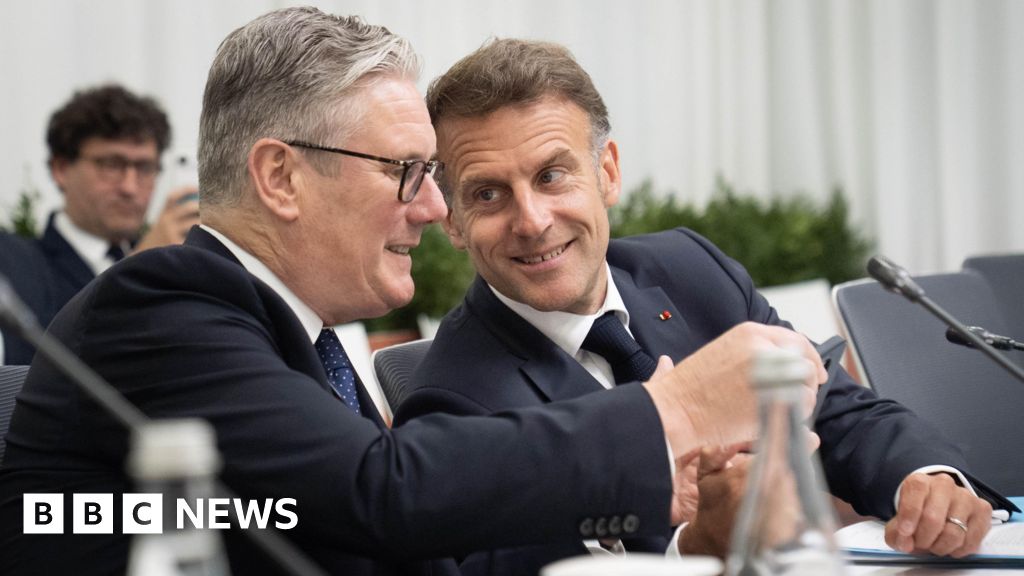
Europe’s push for strategic autonomy is being complicated by US pressure, including Trump’s announced removal of 5,000 troops and long-range missiles from Germany. The EPC summit also highlighted ongoing risks from Russia’s war in Ukraine, the Iran conflict, and uncertainty over Europe’s security alignment with the US. Starmer signaled deeper UK-EU defense cooperation, including possible participation in a €90bn loan scheme for Ukraine.
The market implication is not “Europe gets more strategic autonomy” so much as “Europe has to pre-fund a slower, more expensive security regime while still depending on a politically unreliable backstop.” That combination is typically bullish for multi-year defense capex, but near-term it is bullish first for budget reallocations, procurement urgency, and debt issuance rather than for immediate delivery growth. The biggest second-order effect is that defense demand in Europe becomes less cyclical and more sovereign-driven, which should compress procurement timelines for munitions, air defense, EW, drones, and critical infrastructure protection. The sharper trade is in relative winners: European primes and ammunition suppliers with production already in place should outperform U.S. contractors on incremental order flow because Europe is now incentivized to source domestically and reduce exposure to U.S. policy risk. That creates a second-order tailwind for industrial capex, power systems, cyber, and logistics contractors, while pressuring non-defense European cyclicals through higher fiscal spending, potentially higher bond supply, and slower growth impulse. If the U.K. deepens alignment with EU frameworks, names with cross-border manufacturing and procurement optionality gain a structurally better addressable market. The contrarian point is that the headline urgency may be overstated relative to budget reality: “strategic autonomy” is a 3-10 year capex cycle, but electoral cycles and fiscal constraints can stall actual spending for quarters. The near-term risk is that rhetoric outruns appropriations, creating a sell-the-news setup in broad Europe defense baskets if investors crowd into the theme before contract awards hit. The real catalyst to watch is not summit language but national budget revisions, NATO procurement commitments, and whether Germany/France convert rhetoric into multi-year funded programs within the next 1-2 budget cycles.
AI-powered research, real-time alerts, and portfolio analytics for institutional investors.
Request DemoOverall Sentiment
mildly negative
Sentiment Score
-0.20
Ticker Sentiment
