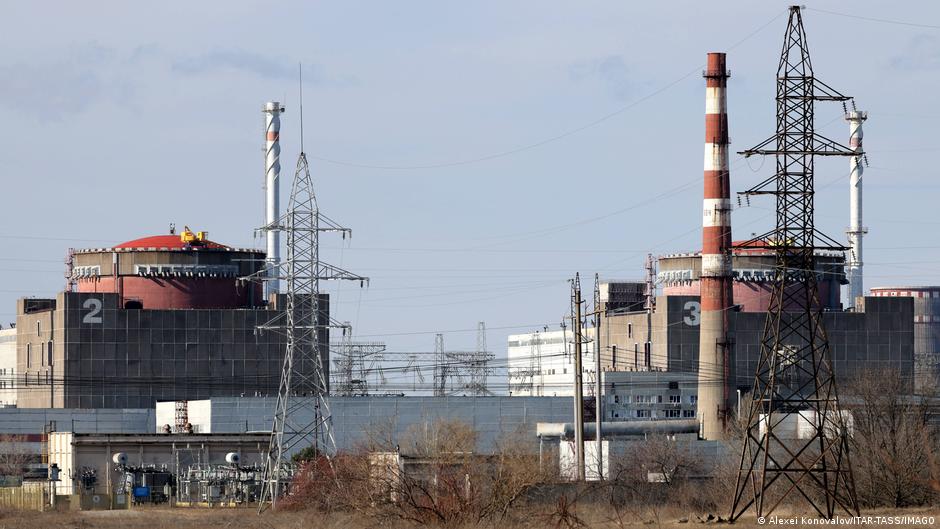
Russia says a Ukrainian drone struck a turbine building at the Zaporizhzhia nuclear plant, creating a hole in the wall but reportedly causing no damage to primary equipment. The IAEA said it is seeking access to inspect the affected turbine hall and called the incident serious, noting it would be the first drone attack within the plant perimeter since April 2024. The event elevates geopolitical and nuclear safety risk around Europe's largest nuclear facility.
This is less a direct energy supply shock than a volatility catalyst for any asset that prices in escalation risk on a path-dependent basis. The immediate market impact is likely in defense, European utilities, and regional risk premia rather than in global crude or gas prices; the key is not physical disruption today, but the probability distribution of a wider incident that forces emergency policy responses, sanctions tightening, or a temporary change in operating assumptions for nearby infrastructure.
The second-order risk is to perception: even a non-damaging strike on a nuclear site can reprice tail risk for power systems, especially in Europe where governments are still sensitive to grid resilience and emergency reserve margins. That supports relative outperformance of firms tied to hardening infrastructure, CBRN response, remote inspection, cybersecurity for critical systems, and grid stabilization equipment over generic defense names that are already crowded and less levered to this specific theme.
From a trading standpoint, the move is probably overinterpreted if investors jump straight to broad commodity longs; the nuclear plant itself is offline, so the near-term energy fundamental impact is limited unless the event escalates into transmission damage or forces longer-duration regional outages. The better setup is owning convexity into a higher-frequency escalation regime: a small headline-driven selloff in European risk assets or utility proxies is more likely to mean-revert if access is restored and IAEA language stays contained.
The contrarian view is that the market may be underpricing policy response risk rather than physical damage risk. If the IAEA gains access and confirms contained damage, the event becomes a signaling failure more than an operational one; if access is delayed or constrained, sanctions/inspection rhetoric could intensify and create a cleaner multi-week catalyst for defense and cyber names than for energy.
AI-powered research, real-time alerts, and portfolio analytics for institutional investors.
Request TrialOverall Sentiment
mildly negative
Sentiment Score
-0.25
