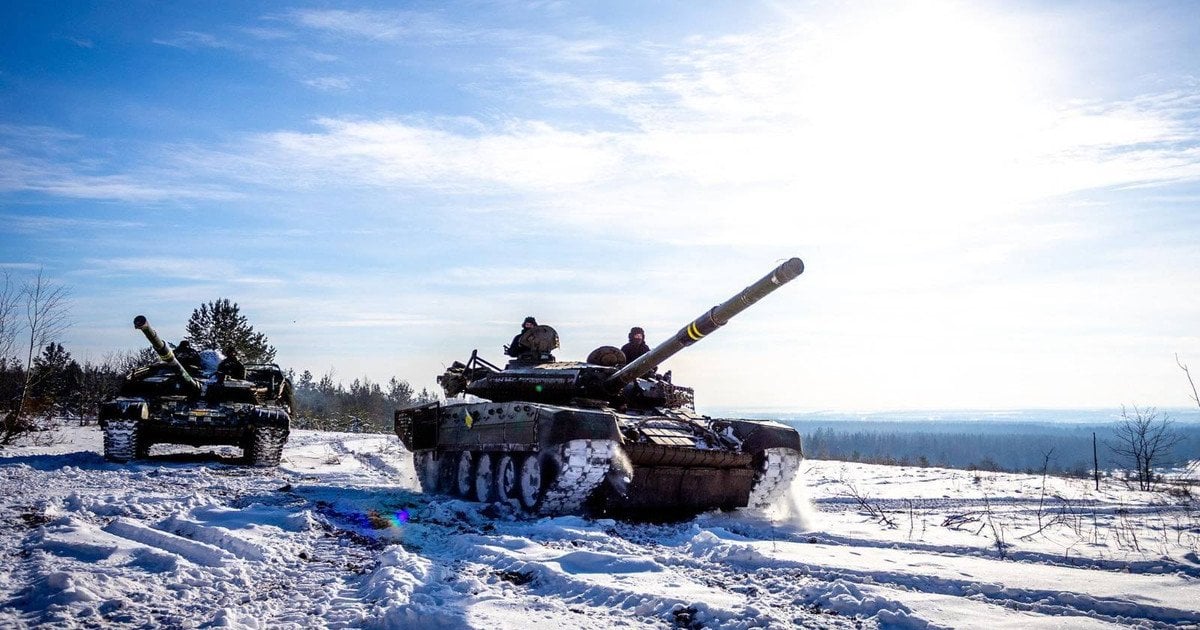
Ukrainian forces have pushed Russian troops back on the Oleksandrivka axis, but Ukrainian military expert Serhii Bratchuk warns Russia is concentrating reserves for a renewed spring offensive aimed at breaching defenses toward Pavlohrad in Dnipropetrovsk region. He expects a sharp near-term rise in combat intensity as Russian forces regroup and deploy new capabilities, creating heightened geopolitical risk and potential regional disruption that could prompt risk-off positioning among investors exposed to the area or to commodity and defense sectors.
Market structure: A renewed Russian spring offensive raises demand for Western and NATO-aligned defense primes (LMT, NOC, RTX, ETF ITA) and for integrated oil & gas majors (XOM, CVX) if energy transit or production is disrupted. Losers include European airlines (AAL, IAG), regional logistics and Ukrainian-credit sensitive EM debt; expect widening CDS spreads for Ukraine and Ukrainian-adjacent corporates by 200–500bp if fighting escalates. Cross-asset mechanics: safe-haven flows into USD, Treasuries and gold (GLD) will compress risk premia in FX and widen peripheral EU yields; oil +5–15% volatility is the most direct transmission route to inflation and rates.
Risk assessment: Tail-risk scenarios (low-probability <10% in 6 months) include NATO direct engagement or major energy-infrastructure strikes that push Brent >$100, triggering 50–100bp higher global yields and broad equity drawdowns. Near-term (days–weeks) expect volatility spikes (VIX +5–15) and commodity-driven repricing; medium-term (3–12 months) defense capex re-rates but is gated by 6–18 month procurement lead times and political approvals. Hidden dependencies: delivery/logistics bottlenecks, semiconductor shortages for weapons systems, and US Congress aid packages are binary catalysts that can accelerate revaluation.
Trade implications: Tactical: overweight defense primes 2–4% of portfolio and maintain 2% energy exposure as Brent signal confirmation (e.g., >$85 for 5 trading days). Use options to asymmetrically express risk — 3-month call spreads on ITA or LMT sized 0.5–1% portfolio to cap premium outlay. Pair trades: long LMT vs short AAL/UAL to capture relative defensiveness; rotate 2–4% from long-duration growth into cyclicals/defense if oil and VIX remain elevated for 10+ trading days.
Contrarian angles: Consensus may prematurely price a permanent windfall for all defense stocks; history (post-2014) shows contractor outperformance concentrated in primes with order visibility and production capacity — avoid small caps without order backlog. If ITA or LMT rallies >25% in 3 months without confirmed aid/contract wins, expect mean reversion; conversely, steep oil-driven inflation could push rates up and hurt long-duration winners — hedge duration if Brent >$95 for 10 trading days.
AI-powered research, real-time alerts, and portfolio analytics for institutional investors.
Request DemoOverall Sentiment
moderately negative
Sentiment Score
-0.60
