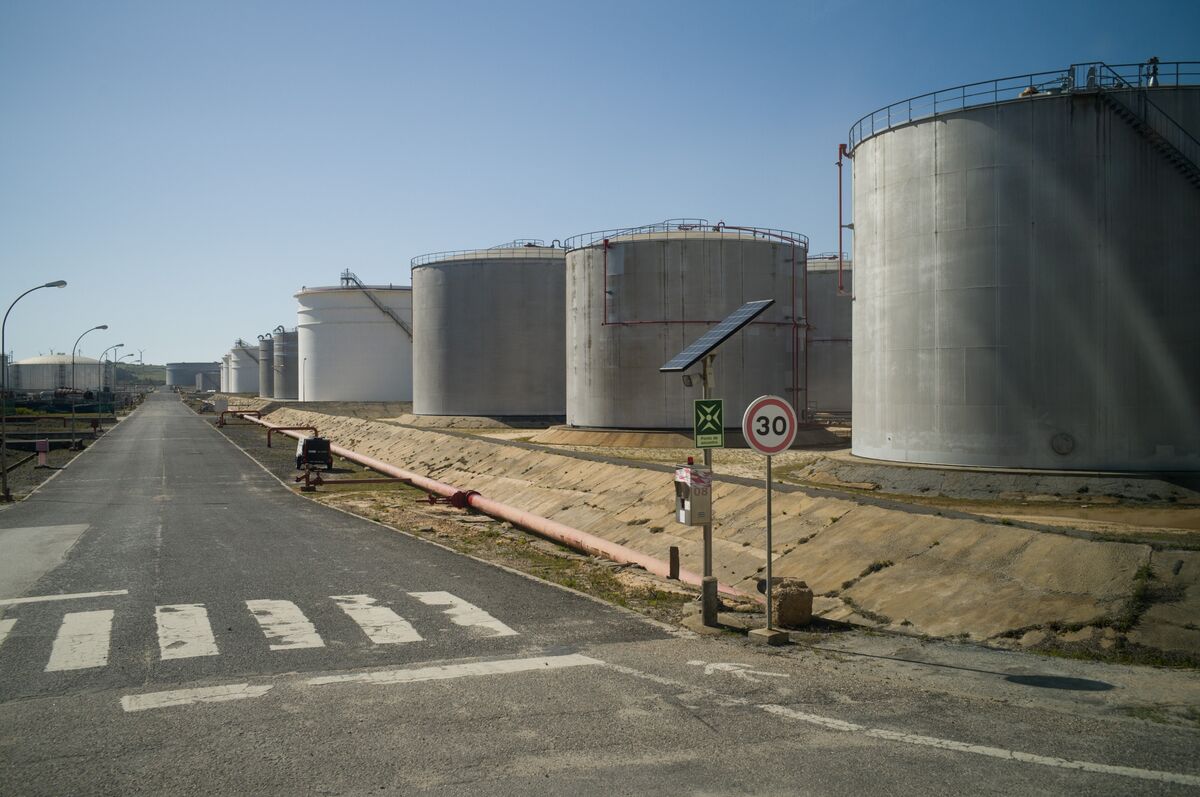
Morgan Stanley analysts, including Martijn Rats, explain that global oil prices have held steady despite a significant 235 million barrel inventory build over five months to June, as 90% of this increase occurred in the Asia-Pacific region. They highlight that only 10% of the build was in the OECD, which is "critical for price formation," thus explaining price resilience despite swelling global stockpiles and challenging the perception of a truly tight market.
Morgan Stanley's research note addresses a key paradox in the current oil market: price stability in the face of rapidly swelling global inventories. According to their analysis, global oil stockpiles increased by a substantial 235 million barrels in the five months to the end of June. The critical insight, however, lies in the geographical distribution of this build. Only 10% of the increase occurred in OECD countries, the region that Morgan Stanley identifies as being "critical for price formation." The vast majority of the surplus has accumulated in the Asia-Pacific region. This segmentation explains why prices have not collapsed under the weight of the headline inventory figure and challenges the prevailing narrative of a tight market, introducing significant uncertainty into the supply-demand outlook.
AI-powered research, real-time alerts, and portfolio analytics for institutional investors.
Request DemoOverall Sentiment
mixed
Sentiment Score
-0.10
Ticker Sentiment
