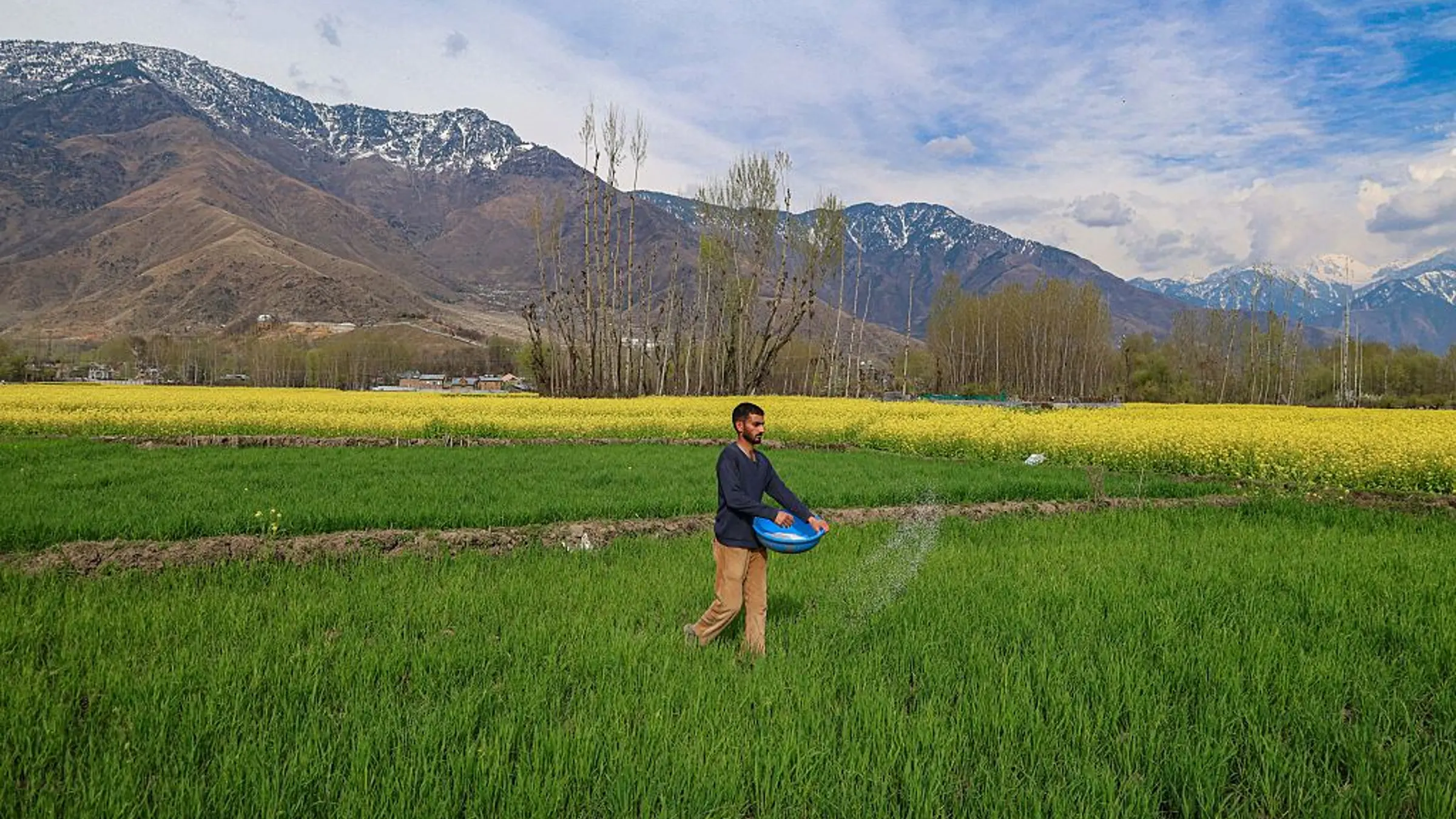
20% of global oil and gas transits the Strait of Hormuz; oil spiked to $119/barrel and U.S. gasoline topped $4/gal as the Iran–Israel–U.S. conflict has constrained maritime flows, while ~1/3 of seaborne fertilizer trade also moves through the Strait. The UN World Food Programme warns ~45 million people could fall into life‑threatening food insecurity if the conflict persists and oil stays above $100/bbl, with immediate disruptions already reported (fertilizer plant pauses in Bangladesh, school closures in Pakistan, Asian LNG risks). A limited 'Hormuz Transit Initiative' modeled on the Black Sea Grain deal is proposed to protect food/fertilizer shipments—if implemented it would materially reduce commodity, shipping, and insurance risk; failure to secure passage risks broader market and food‑security shocks.
Disruptions in a narrow maritime corridor propagate through price-sensitive, low-inventory industries in non-linear ways: fertilizer and bulk agricultural inputs are concentrated in a handful of ports and tonnage types, so a modest reduction in available lift can spike freight and delivered-input costs by multiples rather than percentages. That pass-through typically manifests on a seasonal cadence — shipping friction hits fertilizer availability within weeks, planting decisions shift within 1-3 months, and crop supply effects feed into consumer prices over the next 3-9 months — creating staging points for trades if you time the planting window.
The immediate winners are entities with pricing power over scarce tonnage and nodes that own or control logistics (publicly listed dry-bulk/tank fleets, freight-rate derivatives, and vertically integrated fertilizer merchants); the losers are balance-sheet-constrained importers, farm-equipment OEMs exposed to deferred capex, and EM sovereigns with high food import bills where social stability is fragile. Insurers and reinsurers will reprice tail risk quickly — that raises a non-linear cost for shippers and importers and can force cargoes onto smaller, higher-margin operators.
Catalysts that matter: episodic kinetic events (days-weeks) that spike spot freight and insurance, diplomatic moves toward a limited transit agreement (weeks-months) that can deflate risk premia, and fertilizer producer capex/cutback cycles (months-years) that determine structural supply elasticity. Tail risks include escalation that closes alternative routes or widespread port-targeting, which would push markets into multi-month shortages and fast-moving policy responses (export controls, emergency sales) that can both amplify and then abruptly unwind price moves.
Given the high binary risk of a diplomatic corridor versus open conflict, preferred implementation is asymmetric: option structures or short-dated spreads that monetize near-term volatility while limiting exposure to rapid mean reversion if a corridor is brokered. Active monitoring of insurance rate cards, chartering brokers, and UN/Turkey mediation signals will provide high-value trade triggers and early exit cues.
AI-powered research, real-time alerts, and portfolio analytics for institutional investors.
Request DemoOverall Sentiment
strongly negative
Sentiment Score
-0.65
