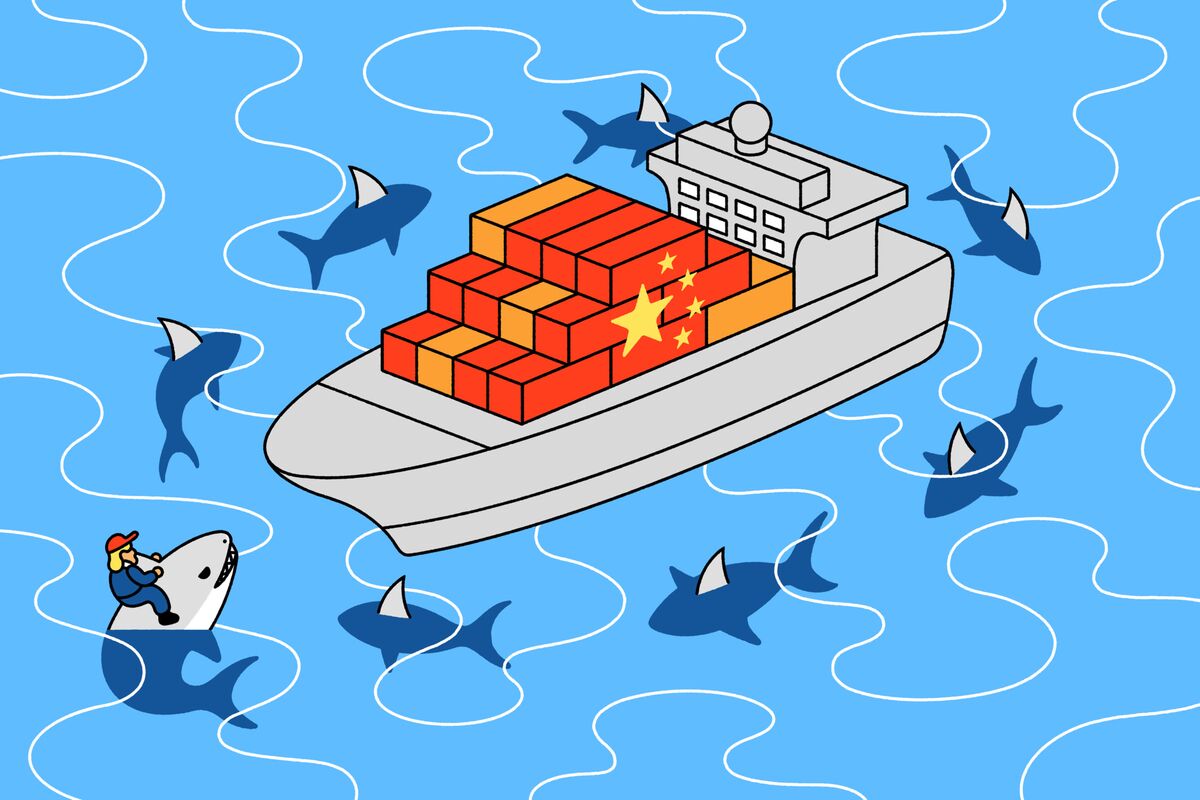
Trade policies and tariffs are creating significant challenges for businesses, particularly those with a US design/innovation and outsourced manufacturing model, like many Shark Tank ventures. Despite the "brutal turbulence" from trade policy shifts, these companies find that reshoring production to the United States remains financially unviable. This highlights the enduring reliance on cost-effective international supply chains for many consumer product businesses, even amidst calls for domestic production.
The prevailing business model for many U.S. consumer product startups, which pairs domestic design and innovation with low-cost overseas manufacturing in countries like China, Mexico, or Vietnam, is under significant pressure from volatile trade policies. As exemplified by businesses featured on 'Shark Tank', this model is experiencing what entrepreneurs describe as "brutal turbulence" due to tariffs and unpredictable policy shifts. A key takeaway is that despite these headwinds, the financial calculus for reshoring manufacturing to the U.S. remains unfavorable for these companies. This indicates that the cost benefits of foreign production still outweigh the expenses and risks associated with tariffs, leaving these businesses in a precarious position. They are highly exposed to geopolitical trade tensions and lack the financial viability to pivot to domestic supply chains, suggesting sustained margin pressure and operational uncertainty for firms with this specific structure.
AI-powered research, real-time alerts, and portfolio analytics for institutional investors.
Request DemoOverall Sentiment
moderately negative
Sentiment Score
-0.50
