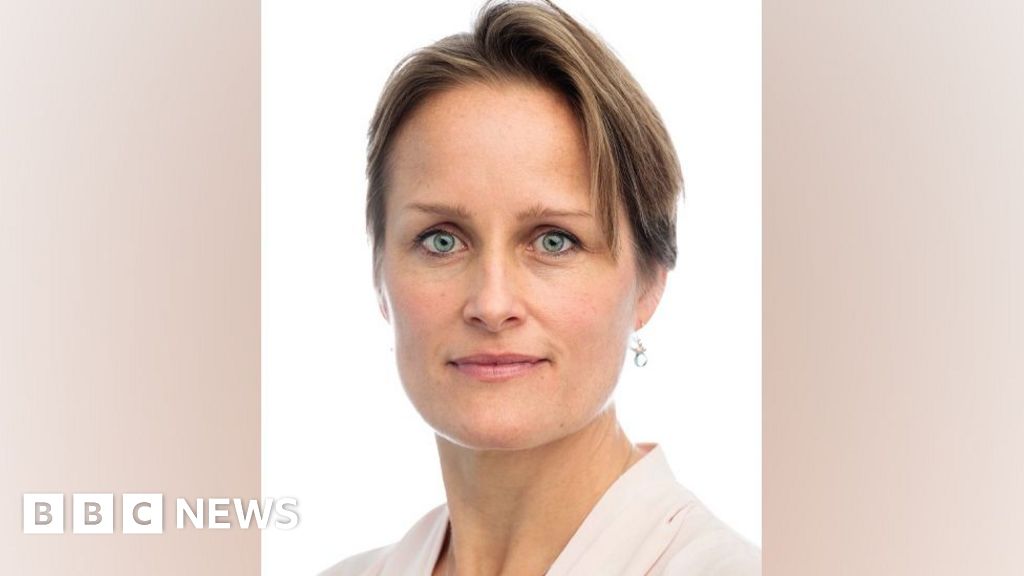
New MI6 chief Blaise Metreweli will use her first public speech to warn of the “acute threat” from an aggressive, expansionist Russia, highlighting hybrid warfare — notably cyber attacks and drone activity — and arguing that Western sanctions have hurt Russia’s economy but not altered President Putin’s determination over Ukraine. She will stress a technology-first agenda for MI6, urging officers to be as fluent in coding and cyber tradecraft as in human intelligence, while the Chief of the Defence Staff Sir Richard Knighton is pushing a “whole of society” resilience strategy and announcing £50m for defence technical colleges to close skills gaps. Together these interventions signal sustained geopolitical risk and a UK policy tilt toward bolstering cyber, defence technology and skills capacity—factors likely to inform defence spending, procurement priorities and opportunities for cyber-security and defence-technology suppliers.
Blaise Metreweli, who took over as head of MI6 on 1 October, will use her first public speech to warn of the acute threat posed by Russia, highlighting hybrid warfare vectors such as cyber attacks and drones near critical infrastructure and pledging continued UK pressure over the war in Ukraine. She emphasises a technology-first mandate for MI6, urging officers to be fluent in code and cyber tradecraft — explicitly citing Python and drawing on her Q Branch technical background — while noting recent sanctions on Russian entities and two China-based companies for indiscriminate cyber activity.
Western sanctions have damaged Russia's economy and pushed exports east toward China and India, but Metreweli and the Chief of the Defence Staff Sir Richard Knighton argue sanctions have not altered President Putin's objectives, implying persistent geopolitical risk and a hawkish security posture. Knighton’s call for a whole-of-society resilience response, his comment that the current threat level is the most dangerous of his career, and the announcement of £50m for defence technical colleges collectively signal increased UK focus on cyber, defence-technology and skills investment.
The thematic read is clear for markets: sustained policy momentum behind cybersecurity and defence procurement creates potential tailwinds for suppliers, while sanction dynamics and elevated geopolitical risk argue for selective positioning and risk hedging given the mildly negative sentiment and a modest positive market impact score.
AI-powered research, real-time alerts, and portfolio analytics for institutional investors.
Request DemoOverall Sentiment
mildly negative
Sentiment Score
-0.30
