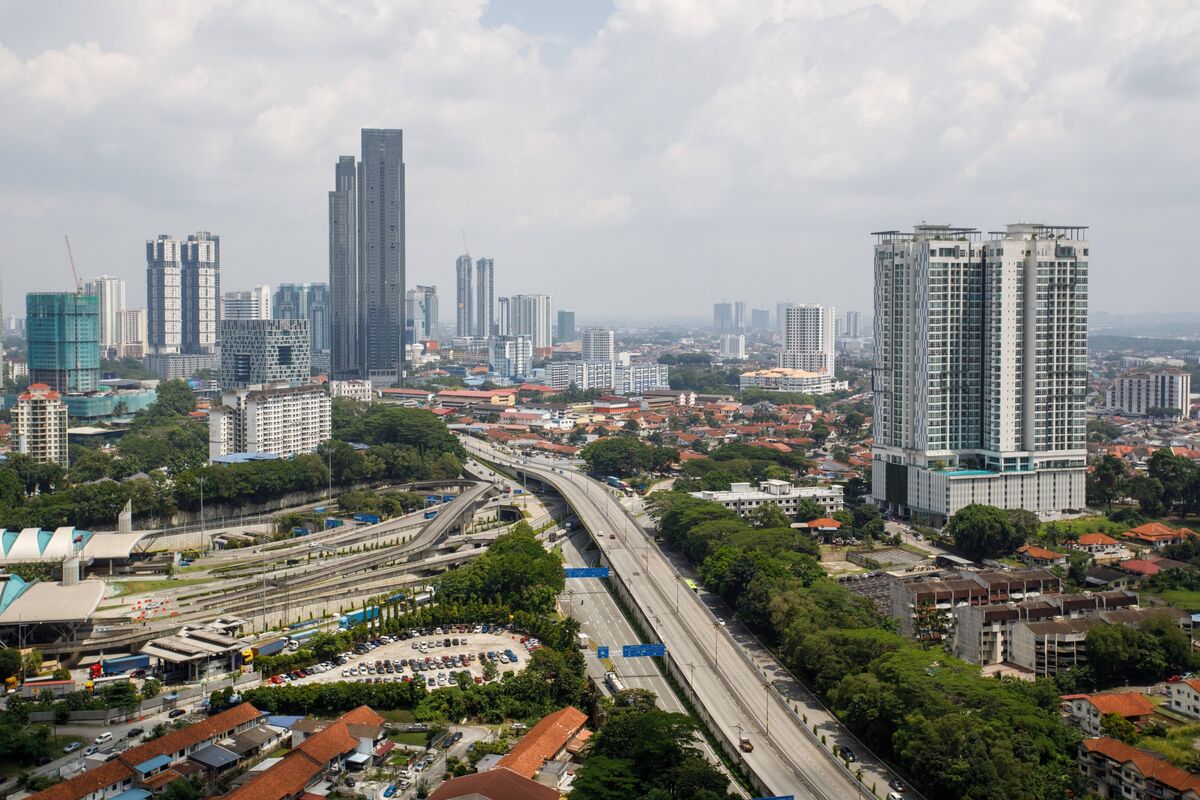
Malaysia's Johor state attracted 56 billion ringgit ($13.2 billion) in approved investments during the first half of 2025, making it the country's top investment destination and accounting for nearly a quarter of national inflows. This significant capital influx is attributed to its special economic zone with neighboring Singapore, underscoring the success of the 'mega hub' strategy in driving substantial regional economic development.
Malaysia's Johor state has emerged as the nation's primary investment hub in the first half of 2025, attracting a significant 56 billion ringgit ($13.2 billion) in approved investments. This figure, accounting for nearly a quarter of Malaysia's total investment inflows, underscores a powerful concentration of capital in the country's southernmost region. The success is explicitly attributed to the special economic zone (SEZ) established with neighboring Singapore, validating the 'mega hub' strategy as a potent driver of regional economic activity. This development signals strong investor confidence in the cross-border policy framework and points to a strengthening economic corridor between the two nations, likely creating follow-on opportunities in infrastructure, logistics, and industrial real estate within the Johor region.
AI-powered research, real-time alerts, and portfolio analytics for institutional investors.
Request DemoOverall Sentiment
strongly positive
Sentiment Score
0.80
