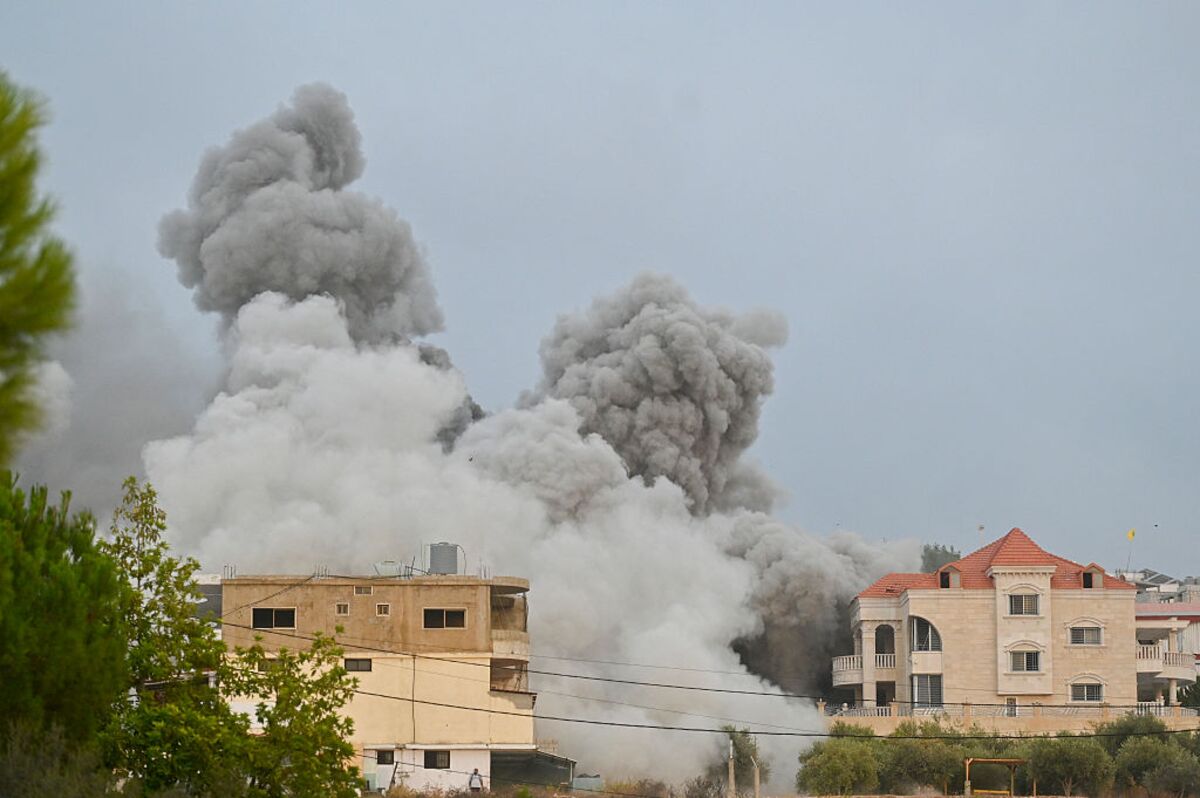
Israel has significantly escalated airstrikes on Lebanon, targeting Hezbollah weapons sites and infrastructure, marking the heaviest attacks since a year-old ceasefire. This action intensifies regional tensions and raises concerns among Lebanese about a potential return to full-scale conflict, signaling increased geopolitical risk in the Middle East.
Israel has significantly escalated military actions against Hezbollah in Lebanon, conducting its heaviest airstrikes since a year-old ceasefire agreement. These targeted attacks on Hezbollah weapons sites and infrastructure late Thursday mark a critical breach of previous de-escalation efforts and signal a substantial increase in regional hostilities.
This escalation immediately intensifies regional geopolitical tensions, with Lebanese citizens expressing significant fears of a return to full-scale conflict. The situation introduces considerable uncertainty and volatility into the Middle East's security landscape, elevating the geopolitical risk premium across the region.
While no specific corporate entities are directly named, the strongly negative sentiment (-0.75) and volatile tone associated with this development suggest a broad increase in regional risk. The market impact score of 0.7 indicates this geopolitical event is likely to have a notable, albeit indirect, effect on investor sentiment and asset allocation decisions, particularly concerning energy and regional assets.
AI-powered research, real-time alerts, and portfolio analytics for institutional investors.
Request DemoOverall Sentiment
strongly negative
Sentiment Score
-0.75
