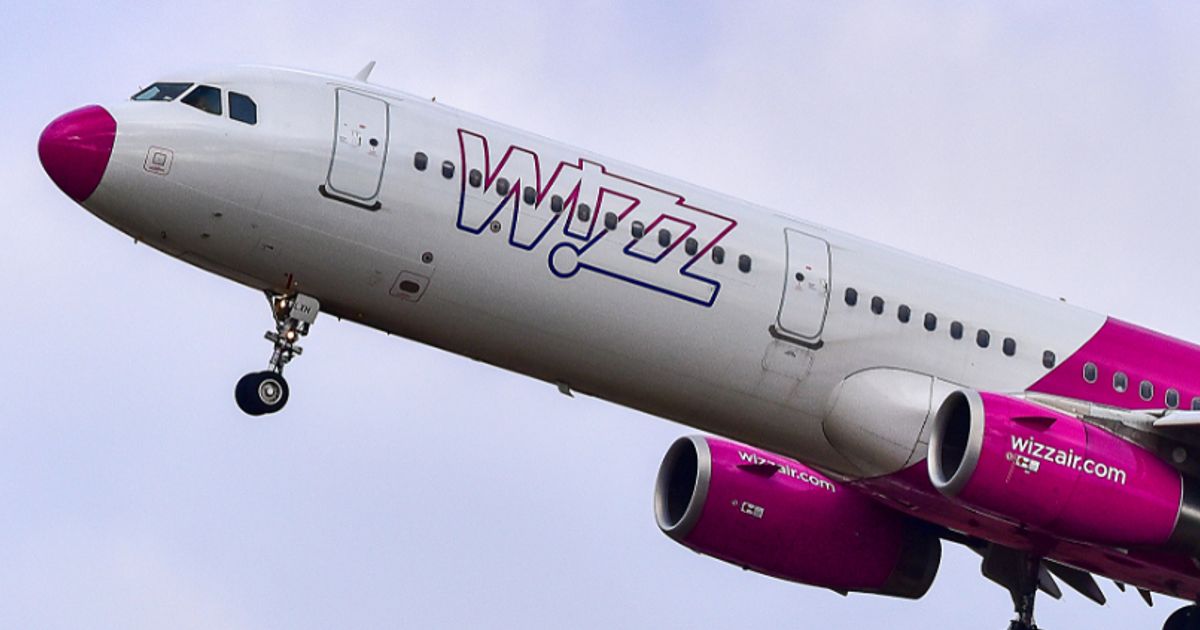
Wizz Air reported a narrowed Q3 net loss of €139m (down from €241m a year earlier) for the three months to 31 December 2025, with revenue up 10% to €1.3bn and passenger numbers rising 12.5% to 17.5m; unit revenues fell 0.8% and load factor dipped to 89.8%. Operating losses widened to €124m as total unit costs rose 2.3% amid higher fuel, maintenance and depreciation pressures and 33 aircraft grounded for engine inspections, but cash rose to nearly €2bn and the fleet increased to 257 planes. Management reiterated guidance for ~10% ASK capacity growth for FY26, expects flat YoY unit revenues for F26 and a full-year load factor north of 91%, while analysts noted results were in line with consensus though costs are modestly higher. The mix of a stronger balance sheet and capacity guidance supported a positive market reaction, offset by cost and engine-delivery risks that warrant cautious positioning.
Market structure: WIZZ (AIM:WIZZ) showing narrower losses, €2bn cash and 26% CEE share signals relative resilience among European low‑cost carriers (LCCs). Guidance of ~+10% ASK and load factor >91% implies demand is keeping pace with capacity; RASK flat and unit costs +2.3% point to squeezed margin elasticity rather than demand collapse. Temporary Pratt & Whitney groundings (33 aircraft) tighten effective supply in the near term and support short‑term pricing where networks can reallocate aircraft.
Risk assessment: Key tail risks are prolonged P&W shop delays causing a 5–10% capacity shortfall into summer 2026, abrupt fuel shock (+$10/bbl) widening unit costs materially, or regulatory/compensation rulings in EU affecting margins. Immediate (days) risk: volatility around any P&W bulletin; short term (weeks–months): summer booking curve and Eurocontrol rate announcements; long term (quarters): higher depreciation from A320ceo retirements pressuring cash returns. Hidden dependency: lease redelivery cadence and lessor covenants could force accelerated capex or balance sheet moves.
Trade implications: Direct play — establish a 2–3% long in WIZZ (AIM:WIZZ) targeting 20–30% upside over 6–12 months if capacity/guidance holds; hedge with a 12‑month 1400p/1800p call spread to cap cost. Pair trade — long WIZZ vs short EZJ (LSE:EZJ) size 1–2% to express CEE outperformance vs legacy Western European leisure exposure. Options tactical — sell 3‑month 1000p puts (~cash‑secured) to collect premium if willing to add at deeper levels; avoid uncovered short gamma into P&W news.
Contrarian angles: Consensus focuses on cost headwinds but underprices WIZZ’s cash buffer and market share advantage — this supports thoughtful accumulation on pullbacks below 1,100–1,200p. Conversely, depreciation and maintenance inflation are structural and could compress returns for >12 months; don’t extrapolate the current 7.8% rally into sustained outperformance without confirmation of normalized engine redeliveries. Catalysts to watch: P&W bulletins (next 30–90 days), Eurocontrol rate changes, and April/May summer booking cadence.
AI-powered research, real-time alerts, and portfolio analytics for institutional investors.
Request DemoOverall Sentiment
mildly positive
Sentiment Score
0.30
