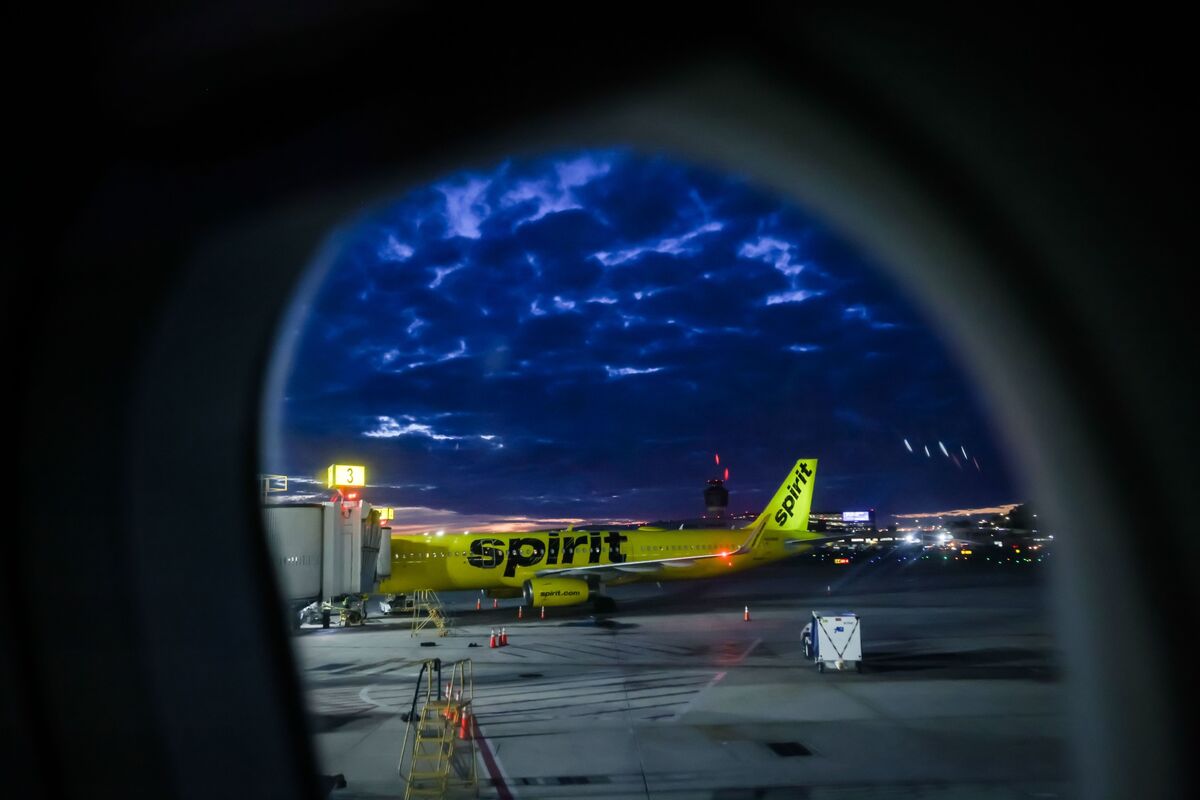
Moody's Ratings downgraded Spirit Airlines two notches to Caa3 after the carrier drew $275 million from its revolving credit facility to avert a cash crunch and extend a critical U.S. Bank credit card processing deadline by up to two years. This action highlights Spirit's acute financial distress and elevated default risk, despite the short-term liquidity injection aimed at preventing it from going out of business.
Spirit Airlines' financial stability has been significantly compromised, as evidenced by Moody's two-notch credit downgrade to Caa3, a rating that indicates extremely high credit risk. This action was directly triggered by the airline's decision to draw down $275 million from its revolving credit facility. The use of these funds to avert an immediate cash crunch and extend a critical credit card processing agreement deadline with U.S. Bank for up to two years highlights acute liquidity pressures. While this maneuver temporarily staves off a potential default and addresses a key operational risk, it is a clear signal of underlying financial distress rather than a strategic investment. The move underscores the carrier's struggle to maintain operations and its limited access to more conventional financing, placing its long-term solvency in question despite securing a short-term lifeline.
AI-powered research, real-time alerts, and portfolio analytics for institutional investors.
Request DemoOverall Sentiment
strongly negative
Sentiment Score
-0.85
Ticker Sentiment
