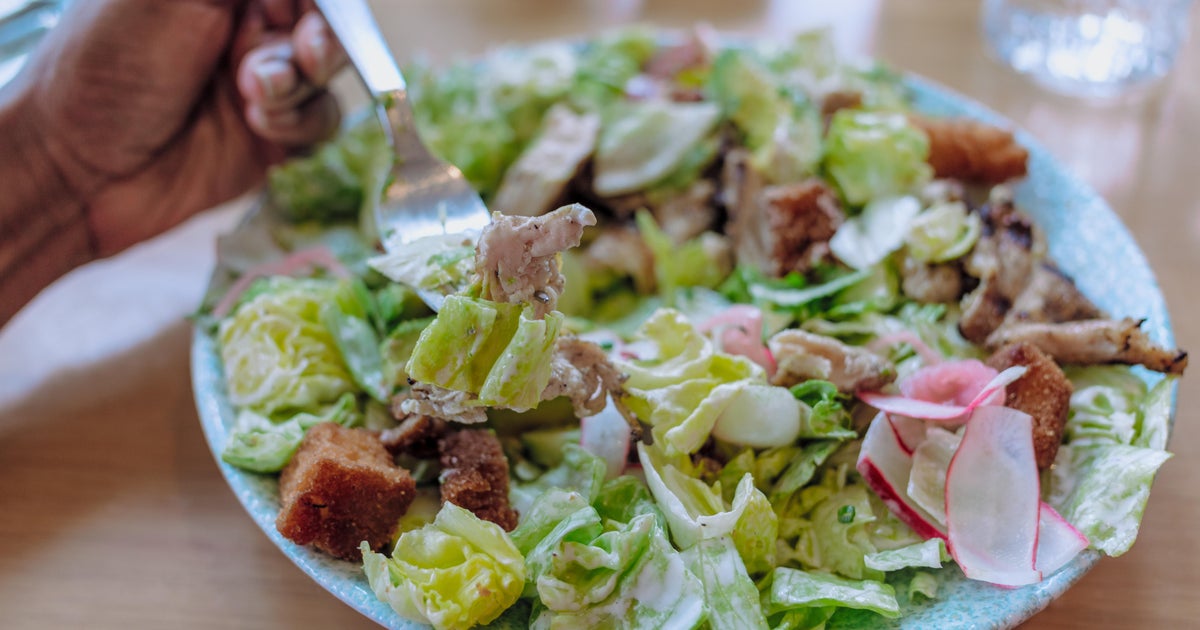
Ventura Foods launched a voluntary recall on Nov. 6 of more than 3,500 cases of various salad dressings sold at Costco and six other retailers across 42 store locations in 27 states after the FDA warned the products could contain "black plastic planting material" in granulated onion used as an ingredient. Affected SKUs include multiple Caesar and ranch varieties (including Hidden Valley Buttermilk Ranch) and Costco has notified customers to stop consumption and return products for a full refund; the event poses reputational and potential remediation costs for Ventura Foods and implicated retailers but is limited in scale.
Market structure: This is a localized supplier-quality event with trivial direct P&L impact on large retailers — ~3,500 cases across 42 stores implies likely lost sales/refunds well under $0.5M and <0.1% of Costco’s (COST) quarterly revenue. Short-term beneficiaries are competitors and vertically integrated large-packaged-food names that can claim stronger traceability; losers are the private supplier (Ventura Foods) and any small/regional brands with single-source ingredients. Pricing power and category demand are unchanged unless recalls cascade.
Risk assessment: Tail risk exists but is low-probability/high-impact — a broadened recall (10x+ cases or involvement of national brands) would raise regulatory scrutiny, class-action exposure and incremental compliance costs across food suppliers; assign a 5–10% chance over 90 days. Immediate timeline (days): reputational headlines and small share volatility for COST; short-term (weeks/months): supplier audits and retailer policy changes; long-term (quarters): marginally higher supplier due-diligence costs and possible contracting shifts to larger integrators.
Trade implications: Expect shallow, headline-driven volatility in COST and mid-cap food names; cross-asset impact negligible (no bond/FX move). Tactical plays should be defensive/hedging: cost-effective options protection on COST or small long in large staples ETF (XLP) if volatility spikes. Watch implied vol spikes on COST options — likely short-lived and mean-reverting within 2–6 weeks.
Contrarian angles: The market will likely over-penalize COST only if headlines escalate; recall scale today suggests overreaction risk. Historical parallels (localized food recalls) show <5% drawdowns for national retailers with recovery in 2–6 weeks, implying a buying opportunity on >2% sell-off. Unintended consequence: accelerated consolidation of sourcing to large co-packers benefits scale players (KHC, large food integrators) over smaller suppliers.
AI-powered research, real-time alerts, and portfolio analytics for institutional investors.
Request DemoOverall Sentiment
mildly negative
Sentiment Score
-0.25
Ticker Sentiment
