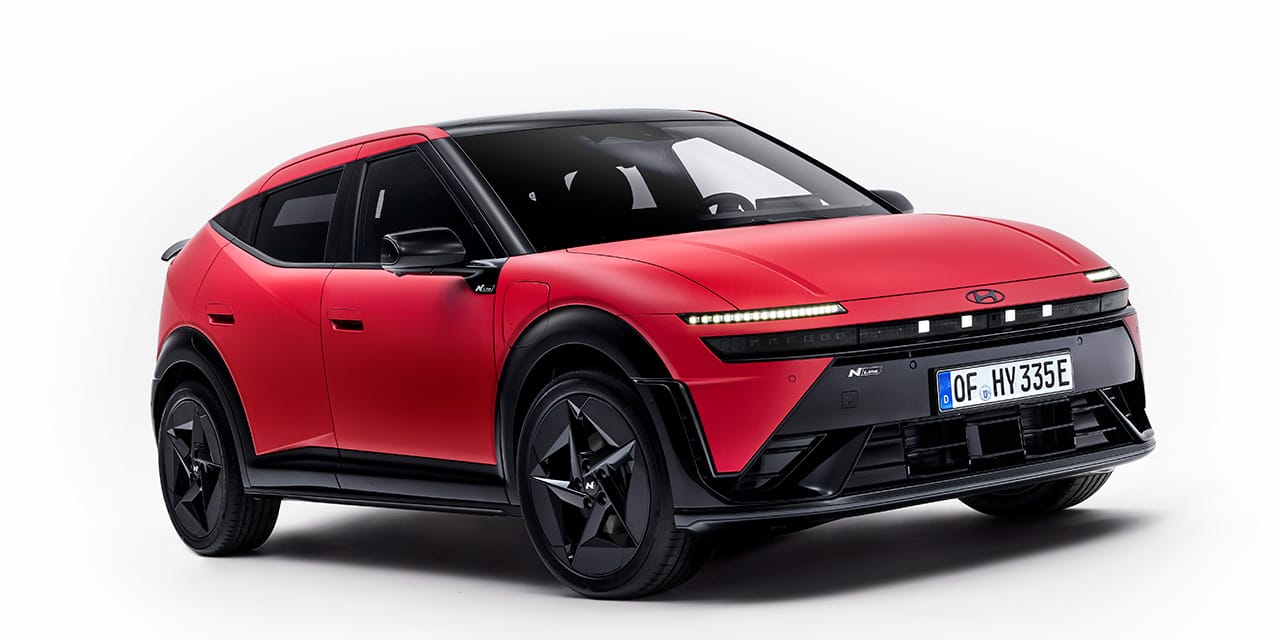
Hyundai introduced IONIQ 3, a fully electric compact hatchback for Europe with projected WLTP range of 344 km to 496 km, 29-minute DC fast charging to 80%, and a 0.263 drag coefficient. The model debuts Pleos Connect, offers E-GMP 400V architecture, and targets everyday practicality with 441 L of trunk space, advanced driver-assistance features, and production in Türkiye. The announcement is strategically positive for Hyundai’s EV portfolio, though it is primarily a product reveal with limited immediate market impact.
This launch is more important as a margin-defense move than as a unit-growth catalyst. Hyundai is pushing a compact EV into the most price-sensitive European segment, but the differentiator is software/UX and packaging, not powertrain novelty; that suggests the company is trying to lift take rates, residual values, and dealer mix rather than simply chase volume. If execution is good, the bigger winner is Hyundai’s European franchise and supplier ecosystem in Türkiye/Central Europe, while legacy ICE compact hatchbacks from volume OEMs face incremental share erosion as EV parity improves in the 2026-27 window. The second-order read-through is negative for dealers and rivals whose EV offers are still either too expensive or too compromised on range/charging convenience. A sub-30 minute charging claim, 400V architecture, and a familiar compact footprint lower adoption friction for households that previously saw EVs as a second-car purchase; that can pull forward replacement demand from hybrids and efficient small ICE cars. The likely pressure point is not premium EVs, but B-segment ICE/hybrid leaders and non-software-native OEMs that rely on feature parity and brand inertia to defend share. The contrarian view is that the market may be overestimating how quickly Europe converts compact-EV enthusiasm into profitable scale. This class is brutally sensitive to incentives, financing costs, and residual values; if rate cuts stall or subsidies fade, a well-reviewed product can still under-penetrate and force discounting within 6-12 months. The key risk is that Hyundai’s own launch cadence across the IONIQ family creates internal cannibalization rather than net-new conquest, especially if the brand uses aggressive lease pricing to seed the market.
AI-powered research, real-time alerts, and portfolio analytics for institutional investors.
Overall Sentiment
moderately positive
Sentiment Score
0.55
