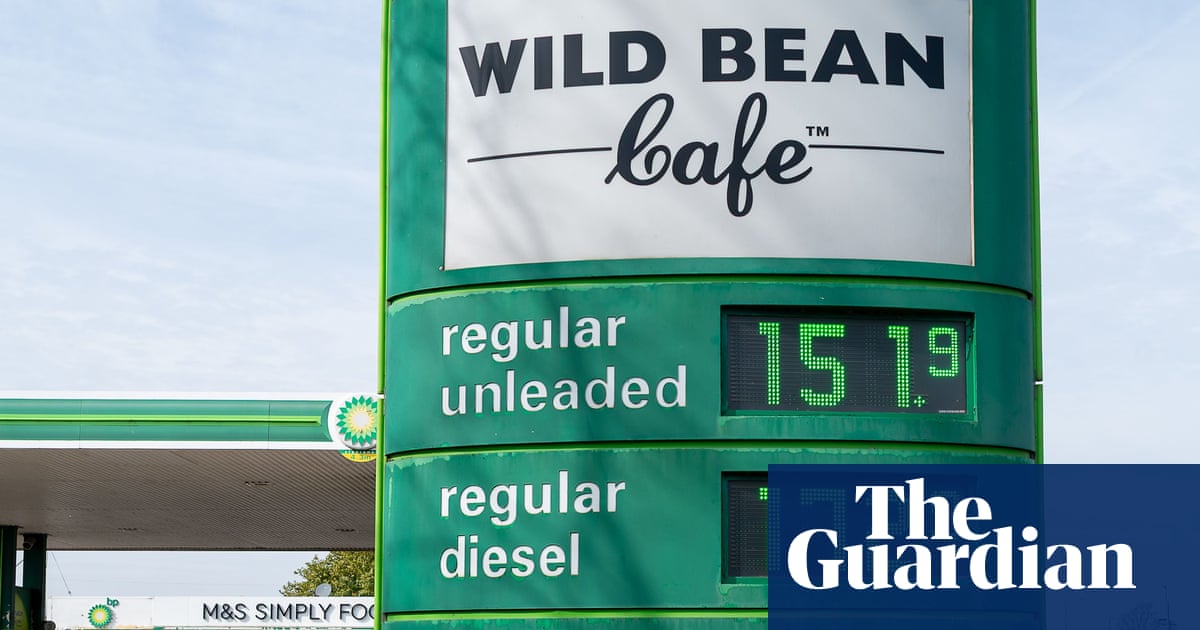
CPI inflation held at 3.0% in February; core inflation rose to 3.2% (from 3.1%) while annual food inflation eased to 3.3% from 3.6%. The Middle East conflict has pushed oil and gas prices higher (petrol up ~12p or ~9%), creating upside risk to inflation and shifting market pricing toward a Bank of England rate increase rather than cuts; the government announced £150 off energy bills and targeted household support.
The increase in core inflation despite headline stability signals that the Iran-driven energy shock is leaking into domestically persistent price components; this shifts the Bank of England’s reaction function towards a higher-for-longer path and creates a realistic 30–100bp repricing of front-to-intermediate UK yields over the next 1–3 months if oil stays elevated. That move will disproportionately hit long-duration real assets, leveraged credit and rate-sensitive domestic equities while giving policy room to tighten further even if headline CPI later softens.
The more important second-order channel is through inputs: higher bunker and fertiliser costs compress margins across food manufacturers and grocers and raise global shipping costs, which will likely push food-at-the-till higher in Q2–Q3 even if February looked benign. Fertiliser exporters and commodity traders will capture margin upside early; European freight insurers and tanker owners will see cashflow acceleration from rerouting/longer voyages, lifting operating leverage for 1–6 months.
Fiscal backstops (targeted household support) create a non-linear policy interaction: additional fiscal spending to shield consumers raises gilt supply and complicates BoE signalling, increasing volatility in GBP and long-end gilts. The clean reversal scenario is a rapid de-escalation in the Gulf — that would produce a violent unwind (20–30% move in oil, 40–80bp fall in yields) inside 30–90 days, so convexity management is essential.
Tactically, prefer capital-efficient, convex exposures to energy and fertiliser names while keeping short-duration rate shorts / options to express higher nominal yields; avoid large duration shorts without optionality. Size positions for 4–10% portfolio allocation with clear stop-loss and scenario exits tied to oil and headline CPI paths rather than calendar dates.
AI-powered research, real-time alerts, and portfolio analytics for institutional investors.
Request DemoOverall Sentiment
mildly negative
Sentiment Score
-0.25
