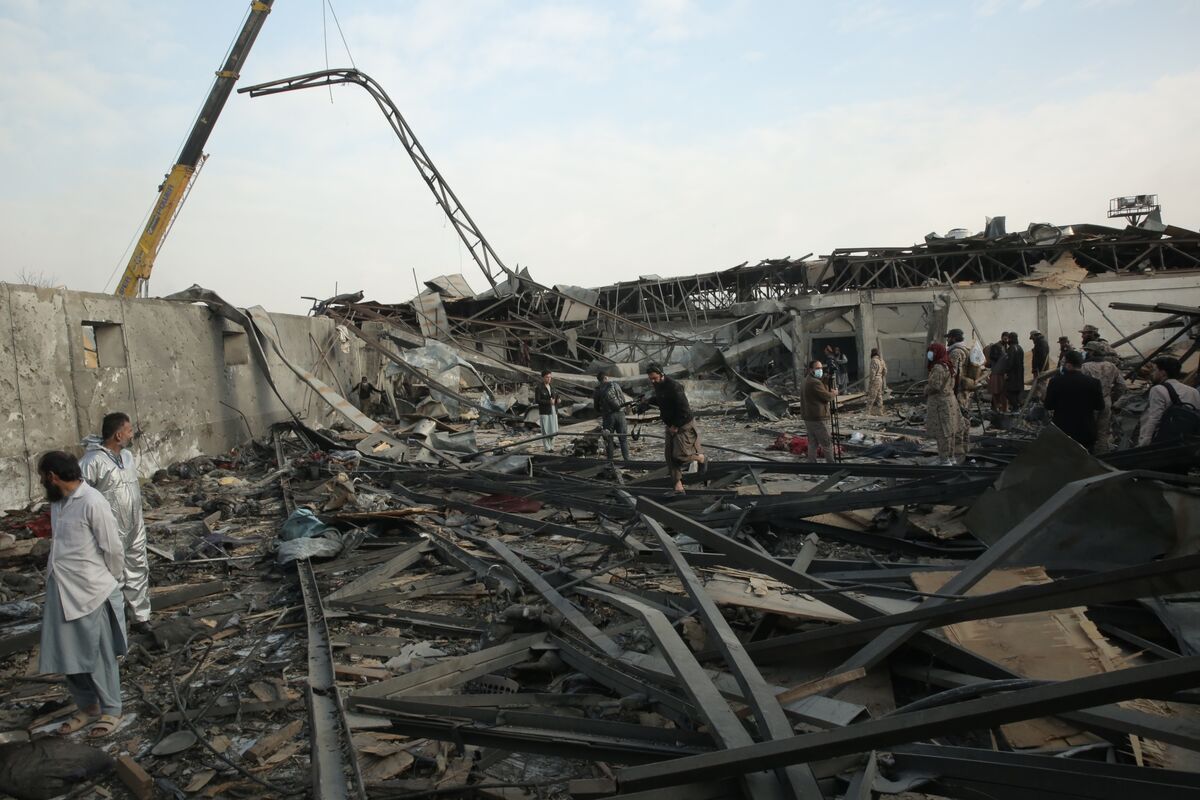
Pakistan carried out deadly airstrikes in Kabul, including an attack on a medical facility, prompting the EU and China to call for an immediate ceasefire and face-to-face talks. The escalation raises regional geopolitical risk and could prompt risk-off flows in emerging-market assets, pressuring local FX and sovereign risk premia and potentially boosting oil/energy risk sentiment in the near term.
A regional kinetic escalation in South Asia tends to trigger an acute, front-loaded risk‑off in emerging and frontier assets: expect 5–12% equity drawdowns and 150–400bp sovereign spread widening in the most exposed issuers within 2–6 weeks as offshore holders pull liquidity and local FX comes under pressure. The primary transmission mechanism is portfolio flight to safety (USD, USTs, gold) combined with near‑term repatriation of bank and portfolio flows; if central banks have limited FX reserves the move can amplify into longer duration debt repricing. Logistics and insurance are the closest real‑economy channels. Commercial airspace and regional overflight risk increases aviation insurance premia and forces routing changes that add 2–6% to freight costs on South→Central Asian corridors; energy price sensitivity is likely modest unless chokepoints are perceived to be at risk, but shipping/reinsurance spreads will reprice first. These cost increases create second‑order margin pressure on exporters in Pakistan, Afghanistan’s neighbors, and regional construction firms tied to cross‑border projects. Defense and security budgets are the clearest structural beneficiaries: expect accelerated procurement cycles for air‑defense, ISR and counter‑UAV systems with likely multi‑hundred‑million dollar tenders announced inside 6–18 months. Conversely, Belt & Road financing and large Chinese infrastructure contractors face increased due‑diligence and potential funding delays, which can slow capex and FX inflows for host countries. Catalysts that would reverse the risk‑off are also identifiable: rapid, high‑profile diplomatic mediation or contingent IMF/ bilateral liquidity lines would compress spreads within days–weeks, while a protracted stalemate would push repricing into multi‑quarter selloffs. Monitor diplomatic progress, reserve adequacy, and announced insurance/re‑routing cost lifts as near‑term signposts.
AI-powered research, real-time alerts, and portfolio analytics for institutional investors.
Request DemoOverall Sentiment
strongly negative
Sentiment Score
-0.65
