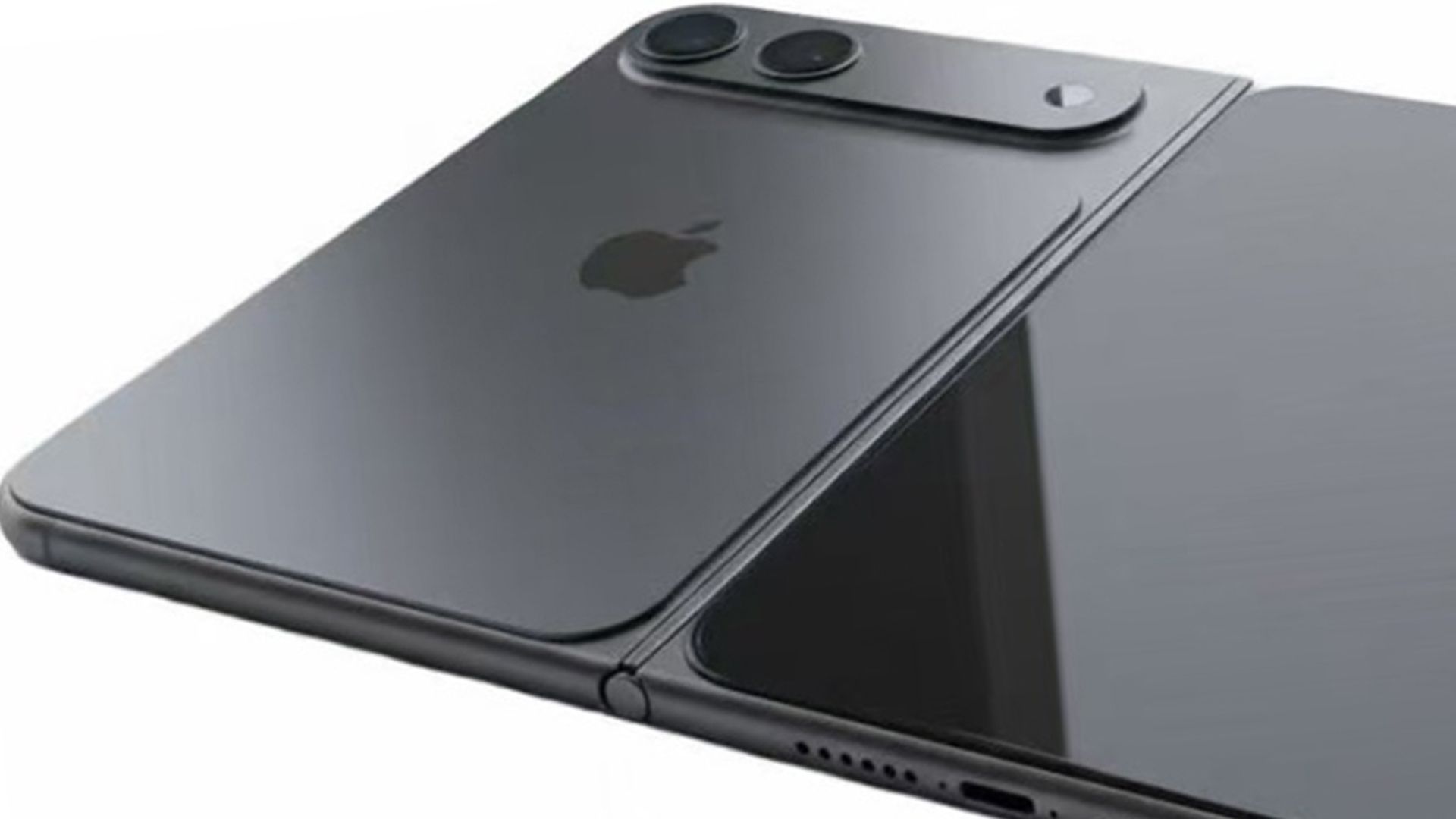
Leaked CAD drawings and industry rumors suggest Apple may launch a folding iPhone in 2026 featuring an unusual, shorter exterior and a landscape-oriented inner display, purportedly measuring 120.6 x 83.8 x 9.6 mm folded and 120.6 x 167.6 x 4.8 mm unfolded. The design aims to avoid a square inner screen and could enable iPad-style apps on a pocketable device, potentially creating new demand segments and accessory opportunities; however, the information is unconfirmed and the timeline is speculative, implying limited near-term market impact.
Market structure: A successful iPhone Fold would concentrate winners in AAPL (brand/premium pricing), flexible-OLED and hinge suppliers (display fabs, specialty glass) and accessory ecosystems; mainstream Android foldable vendors could lose share or be forced to lower ASPs. If Apple charges a $300–$600 premium and achieves 5–10% unit penetration by FY2027, iPhone ASPs could lift ~3–7%, giving Apple pricing power and supplier margin leverage in the first 12–18 months of ramp. Initial production is likely supply-constrained, raising supplier pricing power for 6–12 months and creating volatility in component names and materials.
Risk assessment: Tail risks include hinge/display failures triggering a product recall (>$2–5bn hit to gross margin risk), single-supplier concentration (if >50% displays from one fab) and patent/antitrust litigation delaying launch into late 2026 or 2027. Immediate (days/weeks) risk is rumor-driven IV spikes; short-term (months) depends on supply-chain confirmations in supplier earnings; long-term (years) hinges on developer adoption (iPad app compatibility) and cannibalization of iPad revenue. Hidden dependencies: accessory and case-maker leak cycles, and exclusivity contracts with a single display supplier can flip winners into losers quickly.
Trade implications: Establish a starter long AAPL equity stake of 2–3% of risk budget now, scaling to 4–5% if supplier allocations reported in mid-2025 confirm >10% of Apple display spend towards foldable panels. Use option structures to control cost: buy Jan 2027 AAPL LEAP call spreads (buy ATM, sell 20–30% OTM) sized to 1–2% notional to capture product-cycle upside while capping premium. Allocate 1–2% long positions to Corning (GLW) or GLW Jan 2027 calls as conviction play for cover glass demand. Consider a modest pair trade: long AAPL vs short Samsung Electronics (005930.KS) sized 1:0.4 to express likely short-term share shift, unwind if foldable unit share <3% in 12 months.
Contrarian angles: Consensus overlooks potential iPad cannibalization — if foldable adoption substitutes for small iPad purchases, net Apple revenue upside could be muted. The market may underprice execution risk: Apple’s late entry historically means higher R&D/testing costs and slower consumer adoption (see first-generation Apple Watch). Negative unintended consequences include developer hesitation to optimize iPad apps for a phone form factor, delaying monetization beyond 2027; require trigger-based scaling rather than all-in exposure.
AI-powered research, real-time alerts, and portfolio analytics for institutional investors.
Request DemoOverall Sentiment
mildly positive
Sentiment Score
0.30
Ticker Sentiment
