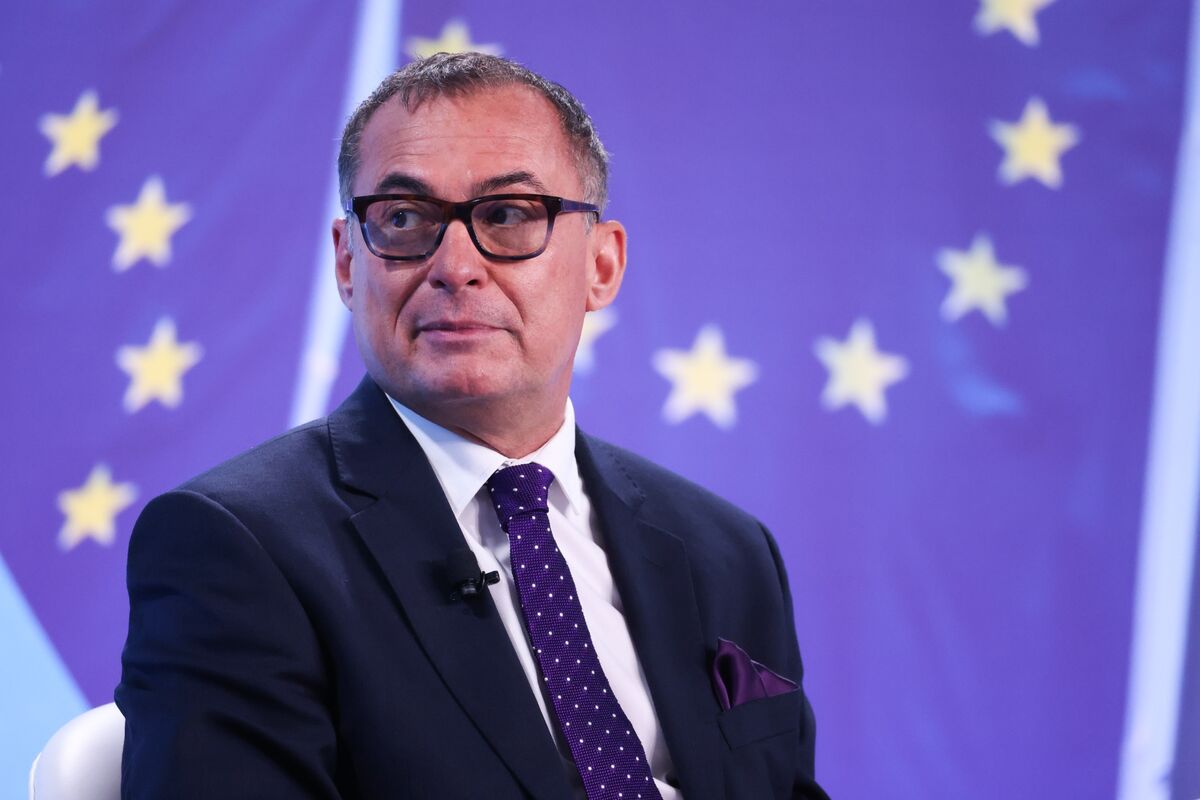
ECB Governing Council member Joachim Nagel stated that the European Central Bank cannot commit to a specific interest-rate path, citing significant uncertainties stemming from unpredictable US trade policy and the evolving situation in the Middle East. This underscores how global geopolitical and economic factors are critically influencing the Eurozone's future monetary policy decisions, suggesting a cautious and data-dependent approach.
European Central Bank Governing Council member Joachim Nagel has explicitly stated that the ECB cannot commit to a predefined interest-rate path, citing significant uncertainty. This signals a move away from clear forward guidance towards a more reactive, data-dependent monetary policy framework. The primary sources of this uncertainty are identified as unpredictable US trade policy and geopolitical instability in the Middle East. The statement from the Bundesbank president, a key voice on the council, underscores that external factors are now primary drivers clouding the Eurozone's economic outlook. This complicates forecasting for investors, as future policy decisions will be heavily influenced by geopolitical events, which can directly impact European inflation and growth through channels like energy prices and trade flows.
AI-powered research, real-time alerts, and portfolio analytics for institutional investors.
Request DemoOverall Sentiment
moderately negative
Sentiment Score
-0.50
