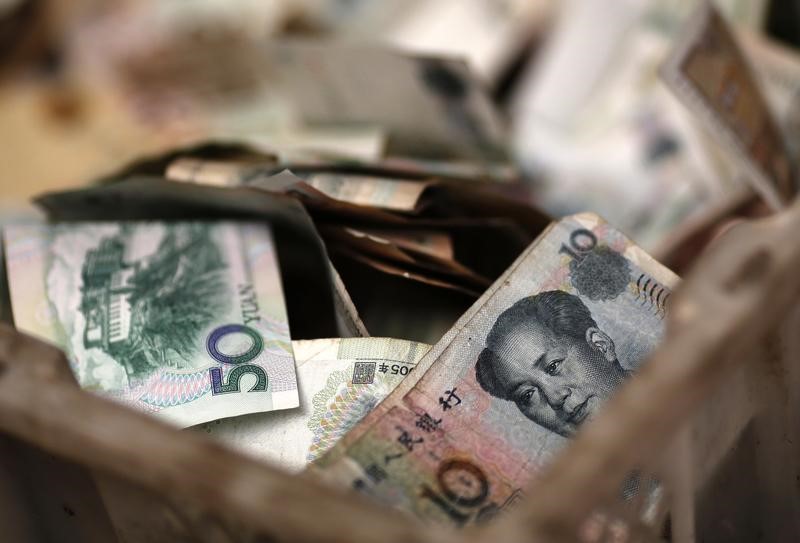
The Russian rouble strengthened to 10.45 per yuan, its best level against the Chinese currency since February 2023, and moved back below 72 per U.S. dollar for the first time since March 2023. Support is coming from high oil prices, a 30-day extension of the U.S. sanctions waiver for Russian oil, and expectations that Putin and Xi will discuss new energy deals, including the Power of Siberia 2 pipeline. Russia also increased oil shipments to China by more than one-third to 31 million metric tons in Q1, with the rouble up 12% vs. the dollar and 11% vs. the yuan since April 1.
The market is pricing a cleaner Russia-China settlement layer, but the deeper signal is balance-sheet compression for Russian exporters and importers alike: a stronger rouble reduces local-currency revenue for commodity producers while lowering the domestic inflation pass-through of sanctions-era trade rerouting. That matters because it weakens the fiscal impulse from energy exports just as Moscow is leaning harder on China for bilateral payment rails and new pipeline commitments, making the currency strength self-limiting if it starts to squeeze the Kremlin’s budget elasticity. The second-order winner is China’s industrial system, not Russian consumers. A stable yuan/rouble settlement framework lowers transaction friction for sanctioned energy flows and gives Chinese refiners, banks, and logistics firms more bargaining power in pricing and financing terms; over time that can deepen China’s role as the marginal buyer of discounted Russian crude while increasing Moscow’s dependency on Chinese credit and equipment. The real loser is any European policy assumption that sanctions alone will choke off Russian hydrocarbons: trade is simply migrating into a less dollarized, more bilateral architecture. Near term, the main reversal catalyst is not geopolitics but oil. If Middle East tensions fade or if sanctions enforcement tightens on payment channels, the rouble’s recent move can unwind quickly because a large share of the rally is narrative-driven and position-sensitive rather than productivity-driven. Over 3-6 months, the key risk is that the stronger currency becomes a policy headache in Moscow, prompting administrative measures that cap FX gains or force reserve/fiscal adjustments. Contrarianly, the move may be overstated for Russia but understated for China-linked supply chains: if Power of Siberia 2 or similar projects advance, the optionality is more meaningful for Chinese gas security than for Russian export growth. For investors, this is less a pure FX story than a barometer of de-dollarization in energy trade, with implications for sanction durability, EM payment rails, and long-duration capital allocation into China-centric infrastructure.
AI-powered research, real-time alerts, and portfolio analytics for institutional investors.
Request DemoOverall Sentiment
mildly positive
Sentiment Score
0.25
