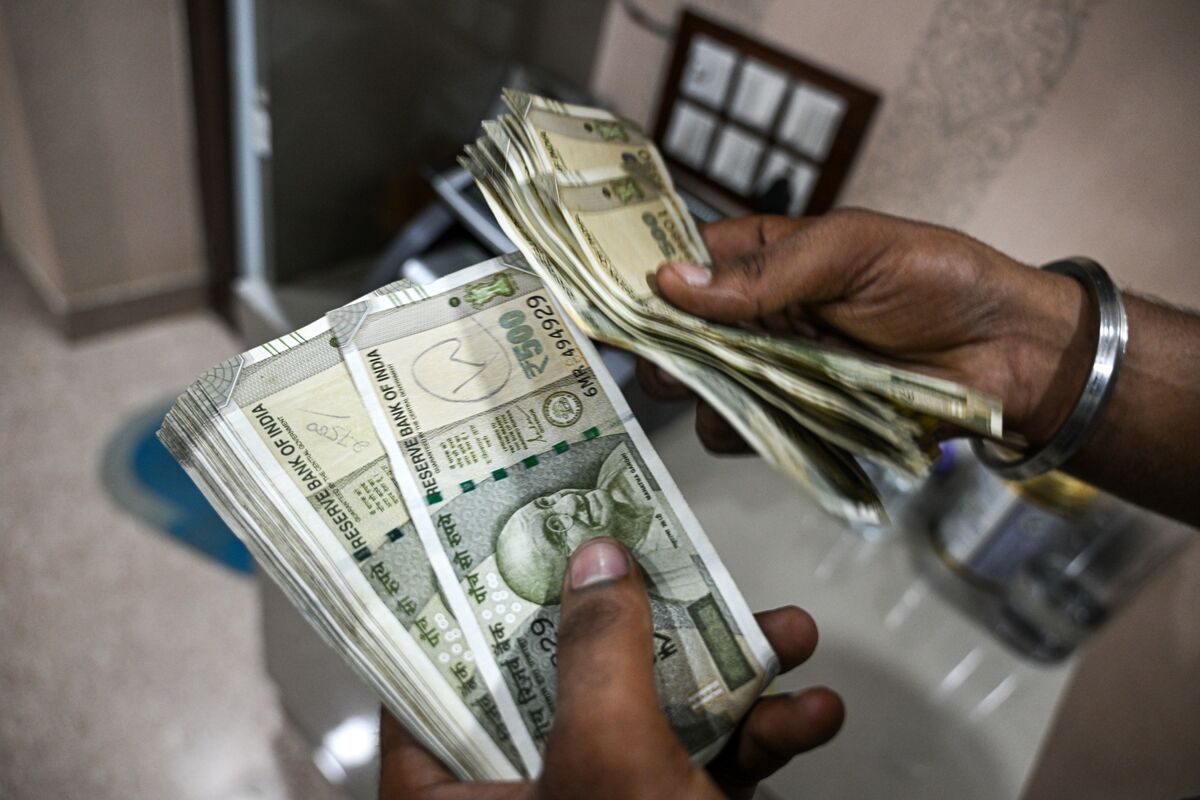
The Indian rupee, previously Asia's worst-performing currency due to higher US tariffs on exports and foreign equity outflows, reached a near-record low of 88.8025 per dollar by mid-October. However, the currency subsequently rebounded over 1% in just three days, a significant reversal that traders attributed to central bank intervention.
The Indian rupee (INR) experienced significant depreciation, becoming Asia's worst-performing currency in 2025 and nearing its largest annual decline since 2022. This weakness was primarily fueled by higher US tariffs on Indian exports and substantial foreign outflows from local equities, pushing the currency to a near-record low of 88.8025 per dollar by October 14.
Following this low, the rupee demonstrated a sharp rebound, appreciating over 1% in just three days. Traders widely attribute this swift reversal to direct intervention by India's central bank, signaling a proactive effort to stabilize the currency.
While central bank intervention provides immediate support and potentially establishes a short-term floor for the rupee, the underlying pressures from trade policies and capital flight remain. Investors should monitor whether this intervention is a temporary measure or indicative of a sustained policy shift to manage currency volatility.
AI-powered research, real-time alerts, and portfolio analytics for institutional investors.
Request DemoOverall Sentiment
mixed
Sentiment Score
0.15
