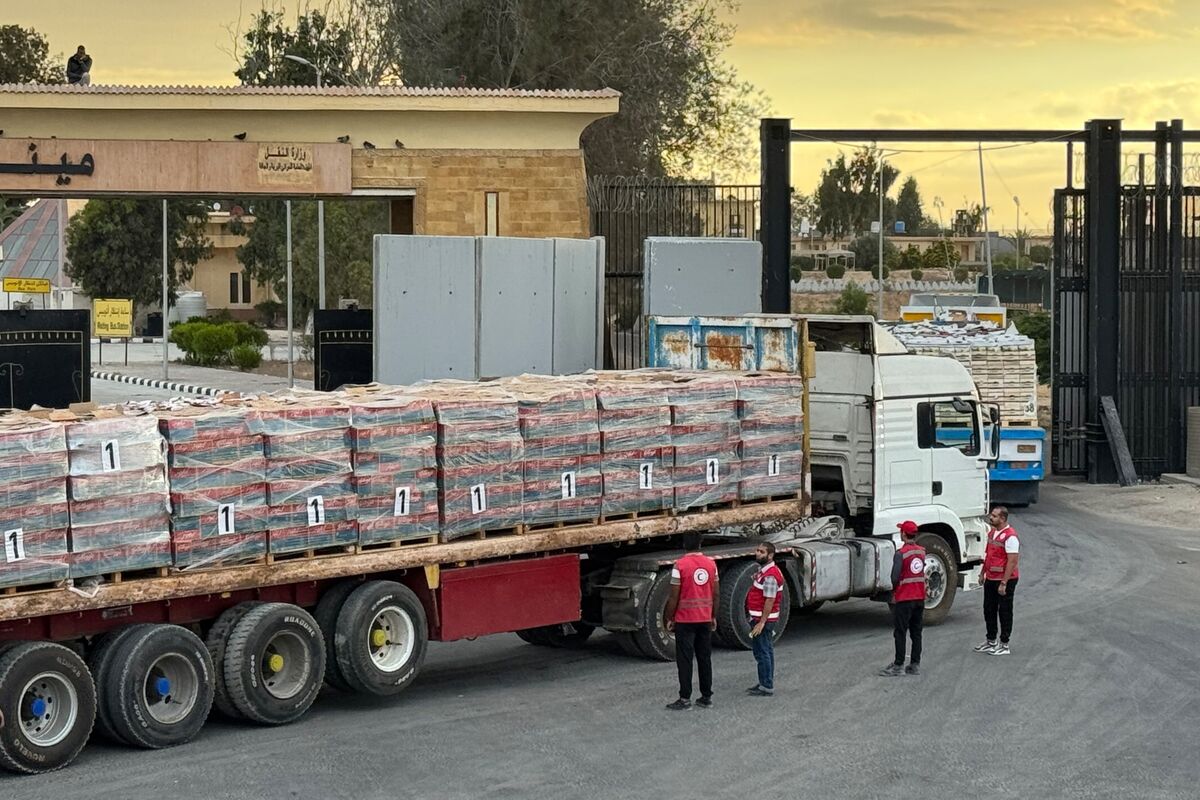
The European Union will restart its monitoring operation of the Rafah border crossing between Gaza and Egypt this Wednesday, as announced by EU foreign diplomat Kaja Kallas. This move signals an increased EU role in the region, aiming to facilitate the flow of goods and humanitarian aid into Gaza, following the crossing's closure in mid-2024 which significantly impacted regional logistics and aid distribution.
The European Union will reactivate its monitoring operation at the Rafah border crossing between Gaza and Egypt this Wednesday, as confirmed by EU foreign diplomat Kaja Kallas. This resumption signifies an increased EU involvement in regional stability and humanitarian logistics. The crossing's prior closure in mid-2024 had severely disrupted the flow of goods and critical aid into Gaza.
Rafah historically served as the primary entry point for commercial goods and the busiest conduit for humanitarian assistance into the Palestinian territory. Its reopening, even under EU monitoring, suggests a potential easing of supply chain constraints for aid organizations and a marginal improvement in regional trade flows. This development aligns with themes of geopolitics and trade policy, reflecting efforts to stabilize a critical humanitarian corridor.
While the sentiment is mildly positive regarding humanitarian access, the overall market impact is assessed as low, likely due to the localized nature of the event and the absence of direct corporate financial implications. The initiative primarily addresses humanitarian and geopolitical concerns rather than immediate broad economic shifts. Investors should note this is a localized geopolitical development with limited direct market-wide financial repercussions.
AI-powered research, real-time alerts, and portfolio analytics for institutional investors.
Request DemoOverall Sentiment
mildly positive
Sentiment Score
0.35
