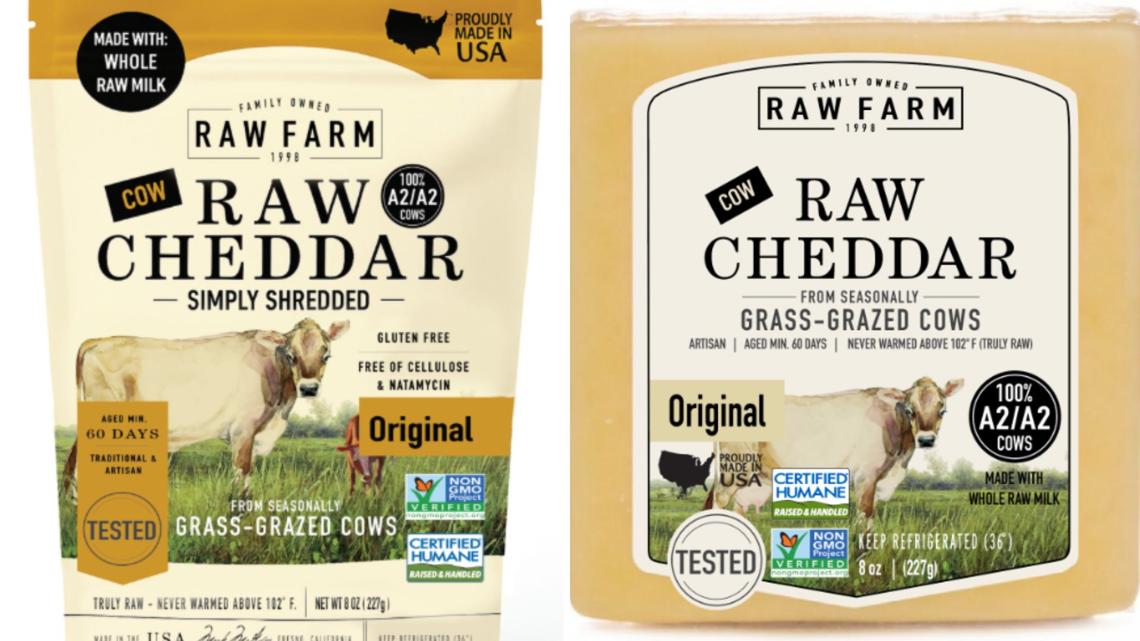
Nine people across three states have been infected with an E. coli strain linked to RAW FARM-brand raw cheddar cheese, including three hospitalizations and one case of hemolytic uremic syndrome; more than half of those infected are children under age 5. The FDA and CDC say epidemiologic evidence points to RAW FARM products and recommended a voluntary recall, but the company has refused and no RAW FARM samples have tested positive to date; product testing and the investigation are ongoing. This raises reputational and regulatory risk for Raw Farm and could suppress consumer demand for raw cheese, but the lack of confirmed positive product tests limits immediate broader market impact.
This episode is less about microbiology and more about market structure: a confidence shock in a niche product (raw milk cheese) that is disproportionately concentrated among small producers and specialty retail channels will accelerate share reallocation toward large, pasteurized-branded suppliers and mainstream grocers. Expect a near-term (3–9 month) shift in retail assortment — buyers and category managers prefer single-supplier risk reduction, which typically translates to a 1–3% category share gain for national cheese/processed-dairy brands and a 50–150 bps gross-margin tailwind from reduced promotional churn.
Regulatory and litigation dynamics create durable winners. If state or federal agencies push for stricter testing/labeling or retailers impose delisting rules, compliance and testing spend will migrate to established suppliers and accredited lab providers; this is a 6–18 month policy risk with a non-trivial probability and could produce discrete revenue uplifts for food-safety testing vendors and larger processors. Conversely, a clear negative product test or successful legal defense by the producer would reversion to prior demand patterns within weeks — retail delistings and consumer fear are fast to appear and fast to fade.
Monitor three high-leverage catalysts: (1) public results of product testing by state labs, (2) major retail category actions (top-10 grocers delisting raw-dairy SKUs), and (3) any state-level emergency rules on raw-milk products. These determine whether effects are transitory (2–8 weeks) or structural (6–24 months). The consensus trade — simply buying broad staples — underappreciates the potential asymmetric upside in niche food-safety/diagnostics names if regulators mandate increased testing and traceability investments.
AI-powered research, real-time alerts, and portfolio analytics for institutional investors.
Request DemoOverall Sentiment
mildly negative
Sentiment Score
-0.35
