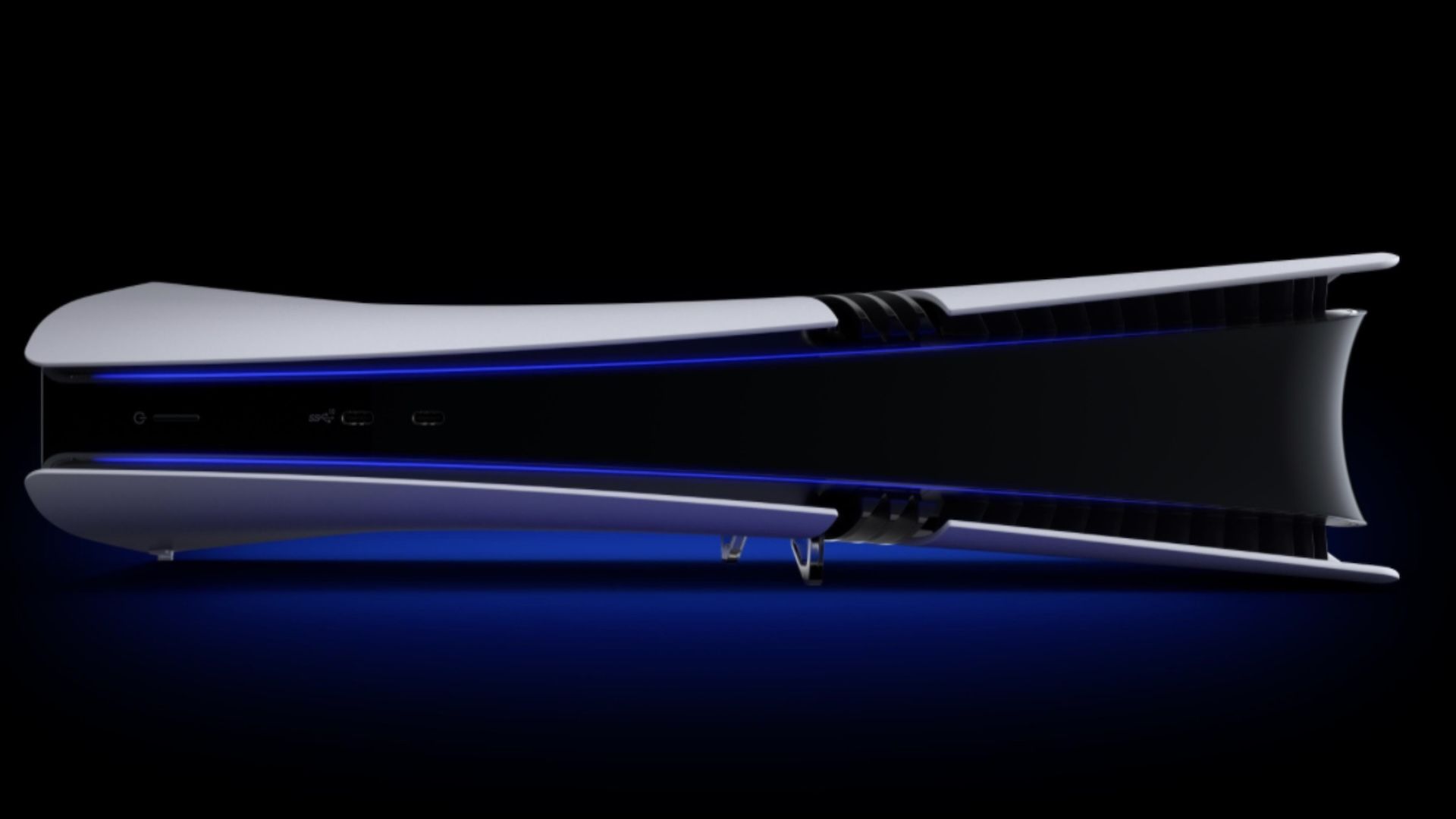
The updated PSSR AI upscaling is ~100 microseconds faster than the original, enabling an 'Enhance PSSR Image Quality' option that can force-upgrade all PSSR-supported PS5 Pro games. Sony rolled the update out starting with the PS5 Pro version of Resident Evil Requiem and has expanded support to titles including Silent Hill f, Monster Hunter Wilds, Dragon's Dogma 2, Control, Alan Wake 2, and Final Fantasy 7 Rebirth, improving image stability, fine-detail clarity and slightly reducing frame drops. The change strengthens the PS5 Pro user experience and product differentiation but is unlikely to materially move Sony's near-term financials.
The upgraded software-based upscaling shifts the console competition subtly toward software differentiation rather than raw silicon spec races. That lowers the marginal benefit of higher-end GPU silicon for first-party titles, giving Sony more leverage to extract value via hardware refreshes and services without a proportional jump in BOM cost. Developers will likely reallocate GPU headroom into richer effects or ray-tracing budgets, which boosts perceived exclusives quality and extends first-party title lifecycles — a monopoly-like content halo that compounds over 6–18 months.
Second-order supply-chain winners include SoC/accelerator vendors that get longer console production tails (supporting spare-part sales and future slim/pro SKUs) and middleware/engine partners who will be paid to integrate PSSR-era pipelines; losers are niche upscaling middleware and aftermarket GPU upgrade cycles for PC-focused players. Competitors (Microsoft, AMD, Nvidia) can replicate perceived benefits, but the real moat is Sony’s first-party studio pipeline and the ability to push a one-button forced-upgrade to an installed base — that creates a low-friction uplift in UX metrics and reduces churn risk for subscription products over the next 12 months.
Key risks: the consumer perceptibility threshold is low, so adoption may disappoint if improvements are marginal in blind tests, reversing optimistic attach-rate expectations within months. External reversal catalysts include a competing software update from Microsoft or a third-party upscaler that outperforms PSSR on multi-platform titles, and any technical regressions in patched games that would erode goodwill — monitor patch telemetry and sentiment around flagship titles closely for 0–3 month signal shifts.
AI-powered research, real-time alerts, and portfolio analytics for institutional investors.
Request DemoOverall Sentiment
mildly positive
Sentiment Score
0.25
Ticker Sentiment
