





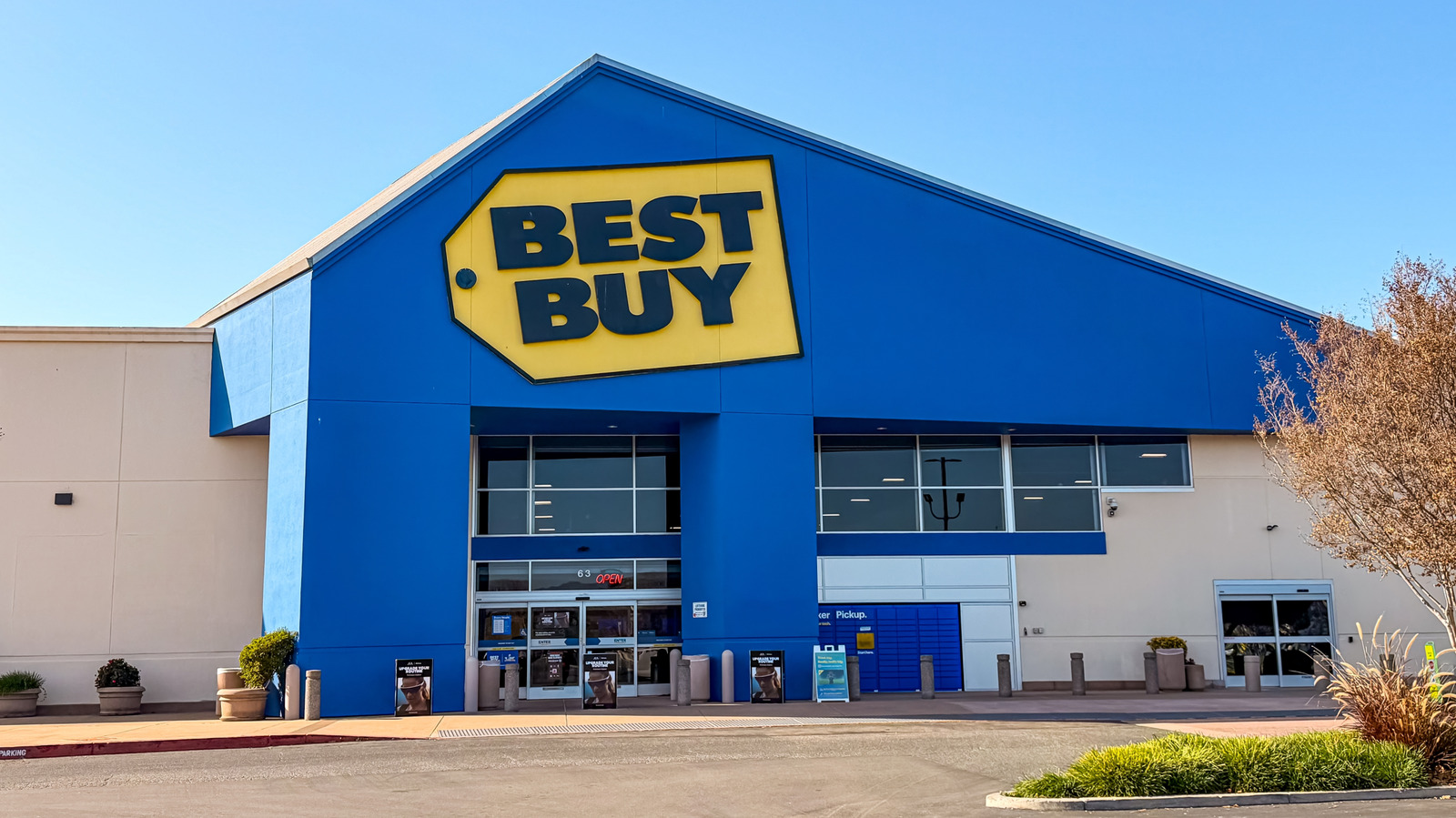
Best Buy is highlighting five April 2026 tech deals, including $50 off the Starlink Standard 4 X Kit to $300, $70 off the Galaxy Tab A9+ to $200, and $140 off the Samsung 65-inch U7900 TV to $330. The roundup also features the ROG Xbox Ally at $540 after a $60 discount and Beats Powerbeats Pro 2 at $234 after a $16 cut. The piece is promotional rather than newsworthy, but it signals healthy consumer demand and ongoing discounting across consumer electronics.
The common thread is not “good deals,” but inventory monetization in categories where price elasticity is still high. That matters most for BBY: aggressive discounting on lower-ticket and mid-market devices can drive traffic and basket attachment, but it also compresses gross margin mix unless vendor funding is stronger than the sticker discount suggests. The real second-order upside is operating leverage from accessories, protection plans, and financing, not the headline hardware margin itself.
The mix is subtly favorable to ecosystem leaders. A cheap Samsung tablet and TV, plus Beats audio and Xbox-branded handhelds, reinforce the idea that the largest platforms can use hardware as distribution for services, app time, and recurring engagement. That is constructive for AAPL, MSFT, NFLX, and to a lesser extent AMD on the gaming compute stack, but the benefits are indirect and likely show up over months through installed-base growth rather than immediate revenue spikes.
Contrarian risk: this could be more about clearance and channel stuffing than demand inflection. If consumer discretionary demand were truly accelerating, retailers would not need this much promotion across TV, tablets, and audio; instead, promotions may be masking slower sell-through and elevated inventory aging risk. For BBY, the near-term catalyst is traffic conversion into margin-accretive services, but the reversal risk is that promo intensity stays high into summer, signaling weaker underlying demand and pressuring consensus gross margin assumptions.
On the hardware side, the handheld gaming push is a useful tell for AMD and MSFT: if the Xbox-branded device gains traction, it validates Windows-on-portable gaming and supports a broader ecosystem premium, but it also risks cannibalizing higher-end PC spend rather than creating new demand. For COST, any benefit is mostly through renewed traffic and member basket frequency, though electronics are low-repeat items and unlikely to move the needle absent broader discretionary strength.
AI-powered research, real-time alerts, and portfolio analytics for institutional investors.
Request TrialOverall Sentiment
mildly positive
Sentiment Score
0.20
Ticker Sentiment
