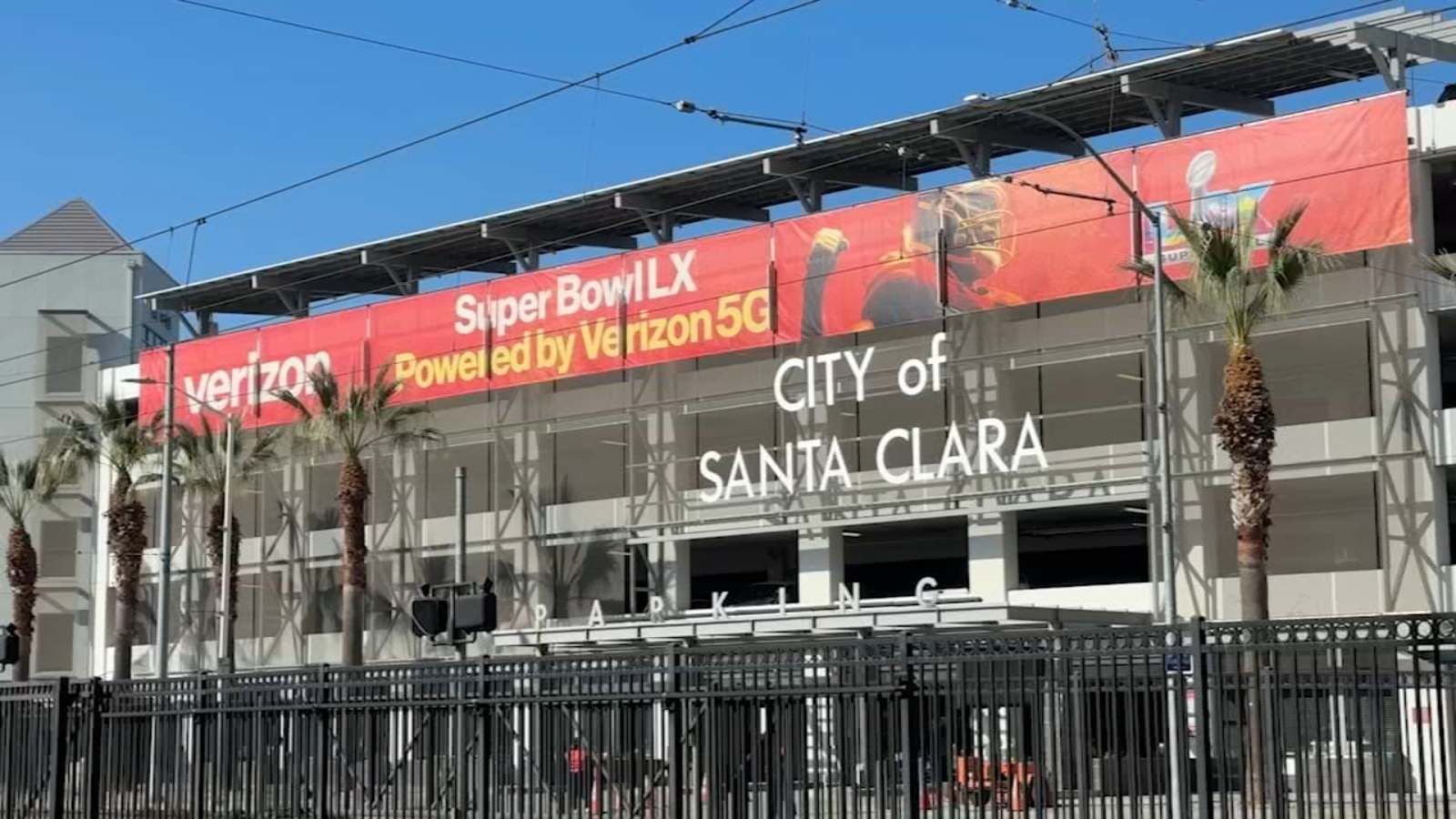
Super Bowl LX in the Bay Area is driving elevated travel and hospitality prices: resale tickets observed at $6,700+ in the stadium's last row, average flights to the Bay exceed $300 from cities like Seattle and Boston, and downtown San Francisco nightly hotel rates average roughly $2,300 for Super Bowl weekend. Going.com notes sports remains a top travel driver in 2026, while local transit options (Caltrain/VTA game-day pass at $27.50) are being promoted as lower-cost mobility solutions; the dynamics point to a short-term revenue boost for airlines, hotels and local transit but also affordability headwinds for consumers.
Market structure: Short-term winners are premium accommodations and travel platforms that capture ADR and ticketing premiums (consider Host Hotels HST, Airbnb ABNB, Live Nation LYV exposure for event-related revenue); losers are on-demand local mobility providers (UBER, LYFT) where cheap park-and-ride + transit passes ($27.50) and road closures compress incremental ride volumes and surge take rates. Pricing power is concentrated in constrained supply (San Francisco downtown ADR ≈ $2,300 for weekend) and airline seats (flights +$300 avg), so expect 1–3 week revenue upside but limited durable market-share shifts.
Risk assessment: Tail risks include transit strikes, gig-worker protests, extreme weather or a security incident that could reduce attendance >10% and reverse pricing quickly within days; regulatory moves around gig-worker rules in CA or heightened local enforcement of short-term rentals could materialize in 30–90 days and change economics. Hidden dependencies: municipal road closures, municipal enforcement and shuttle pre-sales; catalysts to monitor in next 30 days: ticket resale curves, airline schedule swaps, union/strike notices and local regulatory bulletins.
Trade implications: Take a tactical 4–8 week stance: establish 2–3% long ABNB (captures premium night pricing) and 1–2% long HST ahead of weekend, hedge with a 1% short UBER position or buy UBER Mar 2026 45/35 put spread sized to limit loss (example strikes illustrative). Pair trade: long ABNB vs short UBER (size ABNB 2x UBER) to isolate event-driven lodging vs mobility risk. Options: buy ABNB Mar call spread (ATM to +25%) to cap cost; entry 2–4 weeks pre-event, exit 3–10 days post-event or if ADR drops below $1,500.
Contrarian angles: Consensus underweights the impact of cheap, visible public transit (park-and-ride) which could cut event-day ride-hailing volume 30–50% versus models that assume continued surge pricing—UBER downside may be underpriced. Conversely hotel and Airbnb spikes are likely >50% reversion within 2–8 weeks; do not convert tactical event trades into multi-quarter holds. Monitor local enforcement on short-term rentals in next 0–30 days as the primary asymmetric risk to ABNB exposure.
AI-powered research, real-time alerts, and portfolio analytics for institutional investors.
Request DemoOverall Sentiment
mildly negative
Sentiment Score
-0.30
Ticker Sentiment
