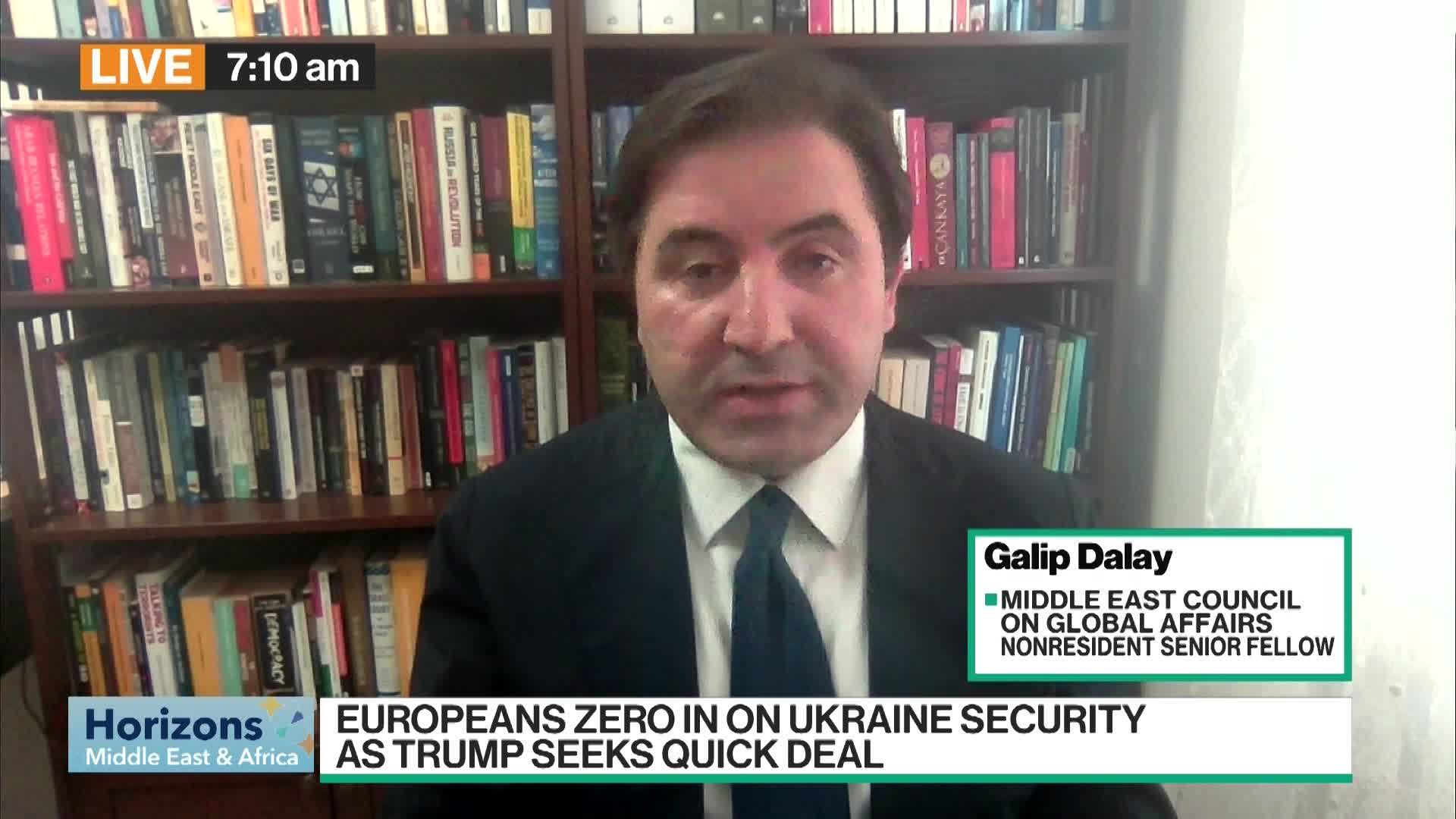
Recent geopolitical and economic developments include Zambia's downplaying of a disaster at a China-owned mine, potentially impacting resource sector sentiment and bilateral relations. Concurrently, an analysis suggests the Alaska Summit agenda is more favorable to Putin, indicating evolving international power dynamics. Separately, Israel's stated intent to expand West Bank settlements signals persistent regional instability.
The current geopolitical landscape presents several developing risk factors across key regions, contributing to a mildly negative sentiment and an uncertain tone. In emerging markets, Zambia's downplaying of a disaster at a China-owned mine introduces potential friction into bilateral relations and highlights operational risks within the commodities sector, particularly for investors with direct exposure to African mining operations. Separately, the assessment that the Alaska Summit agenda is more favorable to Russia suggests a potential shift in global power dynamics, a critical macro variable for assessing long-term systemic risk. In the Middle East, Israel's stated intention to expand West Bank settlements signals a continuation of regional instability, a persistent factor that can influence energy markets and investor sentiment towards the region. While the immediate market impact of these individual events is rated as low, their confluence underscores a broad theme of heightened geopolitical tension that warrants monitoring.
AI-powered research, real-time alerts, and portfolio analytics for institutional investors.
Request DemoOverall Sentiment
mildly negative
Sentiment Score
-0.20
