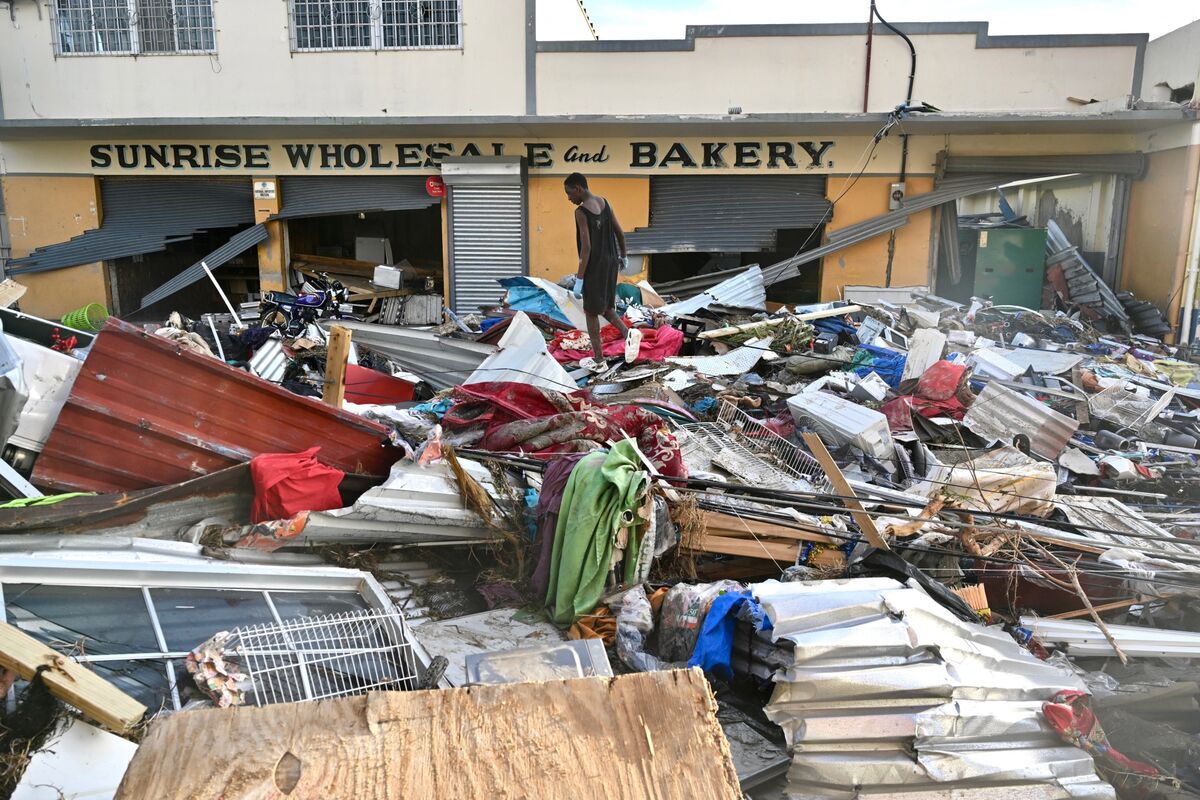
Verisk Analytics Inc. estimates that insured onshore property losses in Jamaica from Hurricane Melissa could range from $2.2 billion to $4.2 billion, primarily driven by wind damage and rain-induced floods. This substantial figure indicates significant financial exposure for insurers and reinsurers operating in the Caribbean market.
Hurricane Melissa has caused estimated insured onshore property losses in Jamaica ranging from $2.2 billion to $4.2 billion, according to data firm Verisk Analytics Inc. This substantial figure, primarily driven by wind damage and rain-induced floods, represents a significant financial event for the Caribbean insurance market.
The strongly negative sentiment surrounding this event underscores the potential for considerable claims payouts for property and casualty insurers and reinsurers with exposure in the region. Such a high-end loss estimate, if realized, could materially impact underwriting profitability and capital adequacy for affected entities.
Verisk Analytics (VRSK), as the data provider, maintains a neutral sentiment, reflecting its role in risk assessment rather than direct financial exposure to the losses. This event highlights the increasing financial risks associated with natural disasters, particularly in vulnerable regions, and the critical role of robust catastrophe modeling in pricing and reserving.
AI-powered research, real-time alerts, and portfolio analytics for institutional investors.
Request DemoOverall Sentiment
strongly negative
Sentiment Score
-0.75
Ticker Sentiment
