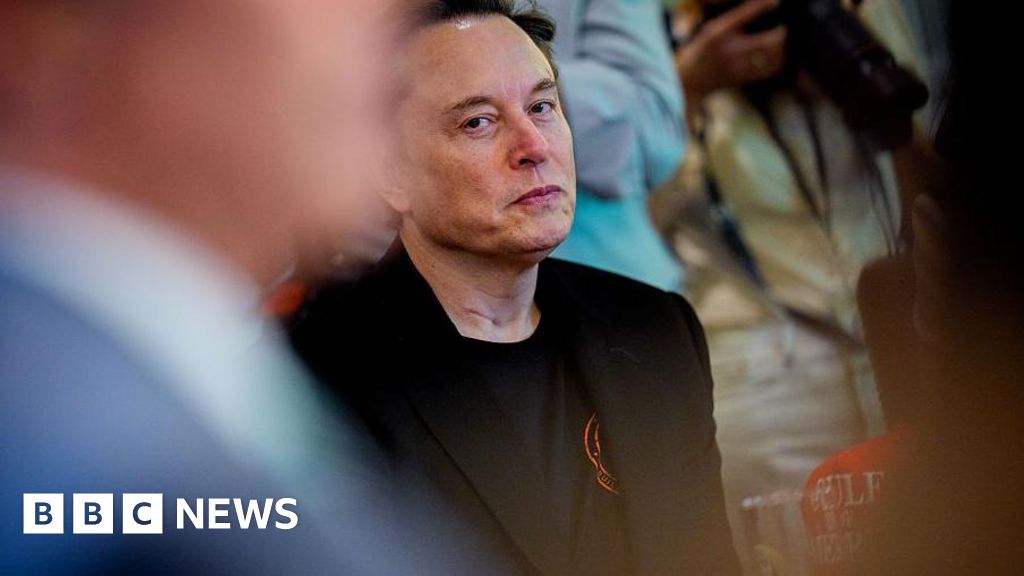
Elon Musk publicly floated buying Ryanair and urged the sacking of CEO Michael O'Leary after O'Leary rejected using Musk's Starlink for in-flight Wi‑Fi; Ryanair responded by mocking Musk and promoting a seat sale. O'Leary cited estimated Starlink costs of $200–250m a year (roughly $1 per passenger) and regulatory limits on non‑EU ownership of EU airlines, limiting the plausibility of a takeover despite broader airline interest in Starlink from carriers like Lufthansa, Qatar Airways and United.
Market structure: Winners are airlines that adopt low-Earth-orbit (LEO) connectivity (e.g., UAL, legacy carriers) and Starlink/SpaceX as a wholesale bandwidth supplier; losers are low-cost carriers that refuse upgrades (RYAAY) if adoption becomes a ticketing differentiator or regulatory requirement. Pricing power shifts toward carriers offering reliable free Wi‑Fi — expect ancillary yield uplift of 0.5–2.0% on short-haul routes within 12–24 months, and growing LEO bandwidth demand tightening satellite capacity pricing. Cross-asset: expect near-term equity/IV pops in TSLA/RYAAY/UAL, modest widening (+10–30bp) in Ryanair bond spreads if consensus turns to higher opex, negligible impact on FX and oil beyond seasonal jet-fuel demand noise.
Risk assessment: Tail risks include a regulatory block on any Musk acquisition (EU ownership rules), certification delays for airborne terminals raising opex by $150–300m/year for a large carrier, or a reputational hit reducing bookings 1–3% for an airline. Immediate (days) risk = headline-driven equity volatility; short-term (weeks–months) = contract announcements and Ryanair press conference; long-term (quarters–years) = fleet retrofits, certification, and recurring bandwidth contracts. Hidden dependencies: certification/antenna drag assumptions, reciprocal commercial terms between SpaceX and airlines, and ticket-pricing elasticity.
Trade implications: Direct: establish a 2–3% long position in UAL (6–12 month horizon) to capture product-upgrade differentiation; establish a 1–2% tactical short or buy 3‑month ATM puts on RYAAY sized to target a 10–15% downside if negative PR/costs crystallize. Pair: long UAL / short RYAAY (1:1 dollar exposure) to play relative adoption. Options: buy RYAAY 3‑month puts 10–15% OTM and consider a 1‑month TSLA straddle (small size, 0.5–1% portfolio) around further Musk headlines. Enter within 2–10 trading days; trim on contract confirmation or after 25–40% realized move.
Contrarian angles: Consensus treats Musk’s buy threats as theater, but a negotiating tactic could secure Starlink wholesale deals that boost airline margins and SpaceX receivables — underappreciated upside for TSLA-linked sentiment and suppliers. The market may overdiscount Ryanair’s PR bravado; promotions (e.g., “idiots sale”) can lift short-term load factors, creating a short squeeze risk for RYAAY positions. Historical parallel: initial airline resistance to onboard Wi‑Fi (early 2010s) reversed once certification/costs clarified; if hardware drag < company claims, adoption accelerates and late-resisters face margin pressure.
AI-powered research, real-time alerts, and portfolio analytics for institutional investors.
Request DemoOverall Sentiment
neutral
Sentiment Score
-0.15
Ticker Sentiment
