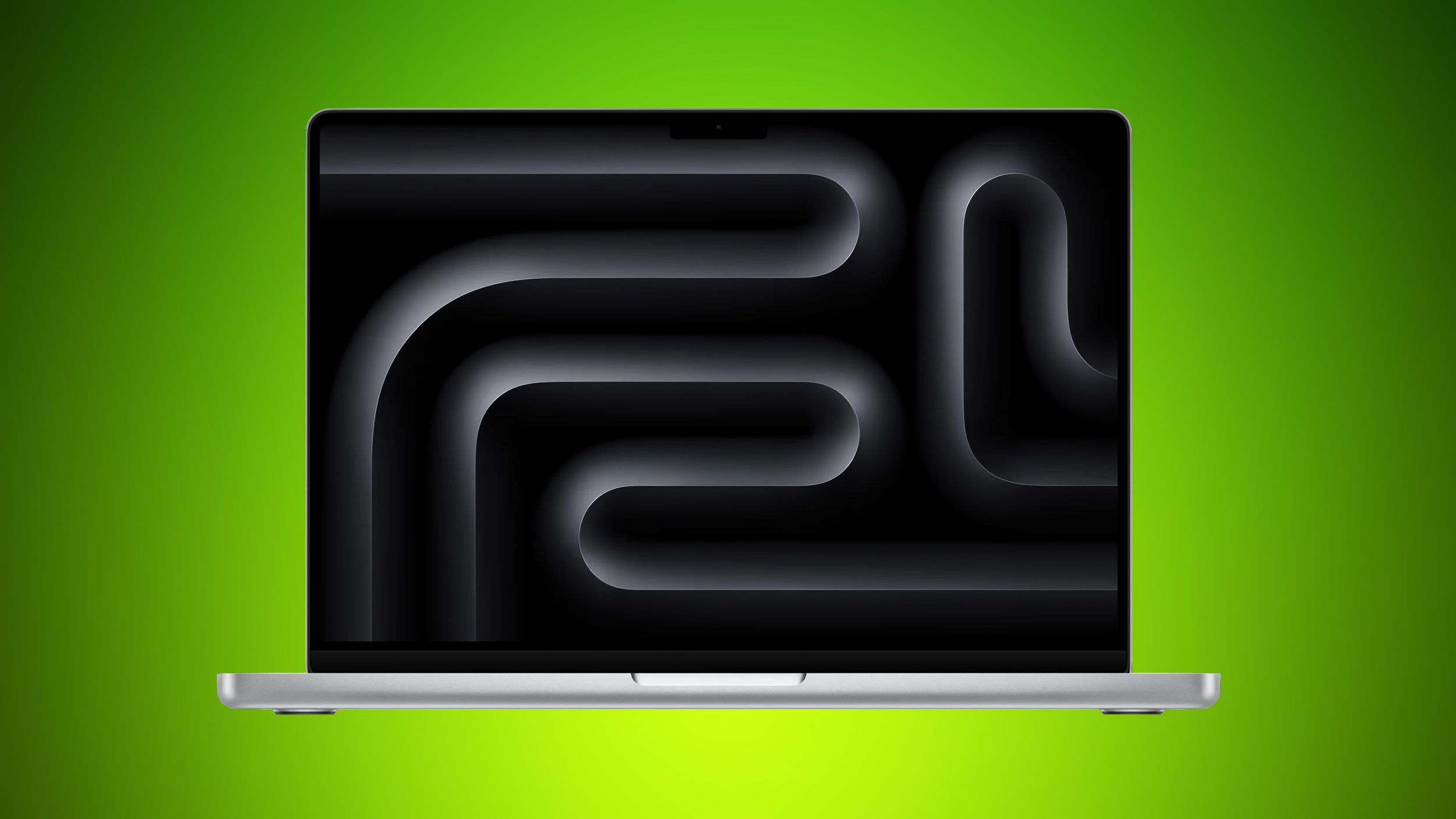
Apple added refurbished 14-inch MacBook Pro with M5 and iPad 11 to its online refurbished store; MacBook Pro pricing starts at $1,359 (10-core CPU/GPU, 16GB, 512GB) with a top configuration at $2,759, and discounts around 15%. Refurbished iPad 11 starts at $299 (a $50 discount from $349); higher-capacity and Wi‑Fi+Cellular variants are available. All refurbished products carry the same one-year warranty, include accessories, are eligible for AppleCare+, and are available in the U.S., Canada, UK and many European countries; Apple also added refurbished M4 iPad Pro 11" and 13" models.
Apple broadening its in-house refurbishment program is a margin- and channel-management lever rather than a pure volume play; it lets the company capture lower-price demand without ceding customers to third-party discounters, preserve service attach rates, and keep control of the after-sales upgrade cycle. Over the next 3–12 months this will compress visible retail markdowns elsewhere while shifting the marginal buyer from mass OEMs to Apple-owned inventory, improving predictability of replacement cycles and service revenue capture.
Competitive second-order effects: legacy PC/tablet OEMs and low-cost Android/Chromebook vendors face bifurcation risk as premium devices become accessible at lower effective prices inside Apple’s ecosystem, which could accelerate premium share gains and throttle the low-margin replacement market for rivals over 6–18 months. Meanwhile, demand smoothing from refurbishment reduces acute swings in component orders (SSD, DRAM), which is constructive for suppliers with flexible allocation but negative for spot-dependent distributors.
Key risks and catalysts: macro-driven discretionary weakness could force deeper refurb discounts or broaden the program into older generations, materially pressuring ASPs and gross margins within 2 quarters. Watch for a run-rate change in refurbished SKU velocity, AppleCare attachment on refurbished units, and any signaling of broader inventory clean-up in quarterly commentary — quick sell-through is bullish for services, slow sell-through is bearish for hardware margins.
Operational implications for portfolio construction: treat this as a small positive structural tailwind for recurring services and ASP defensibility, but a modest cyclical headwind to hardware unit growth and component order volatility. The cleanest signals will arrive in the next two earnings cycles via gross margin mix and services subscription growth tied to refurbished buyers; position sizing should reflect a high-probability but low-impact event relative to Apple's total revenue base.
AI-powered research, real-time alerts, and portfolio analytics for institutional investors.
Request DemoOverall Sentiment
neutral
Sentiment Score
0.00
Ticker Sentiment
