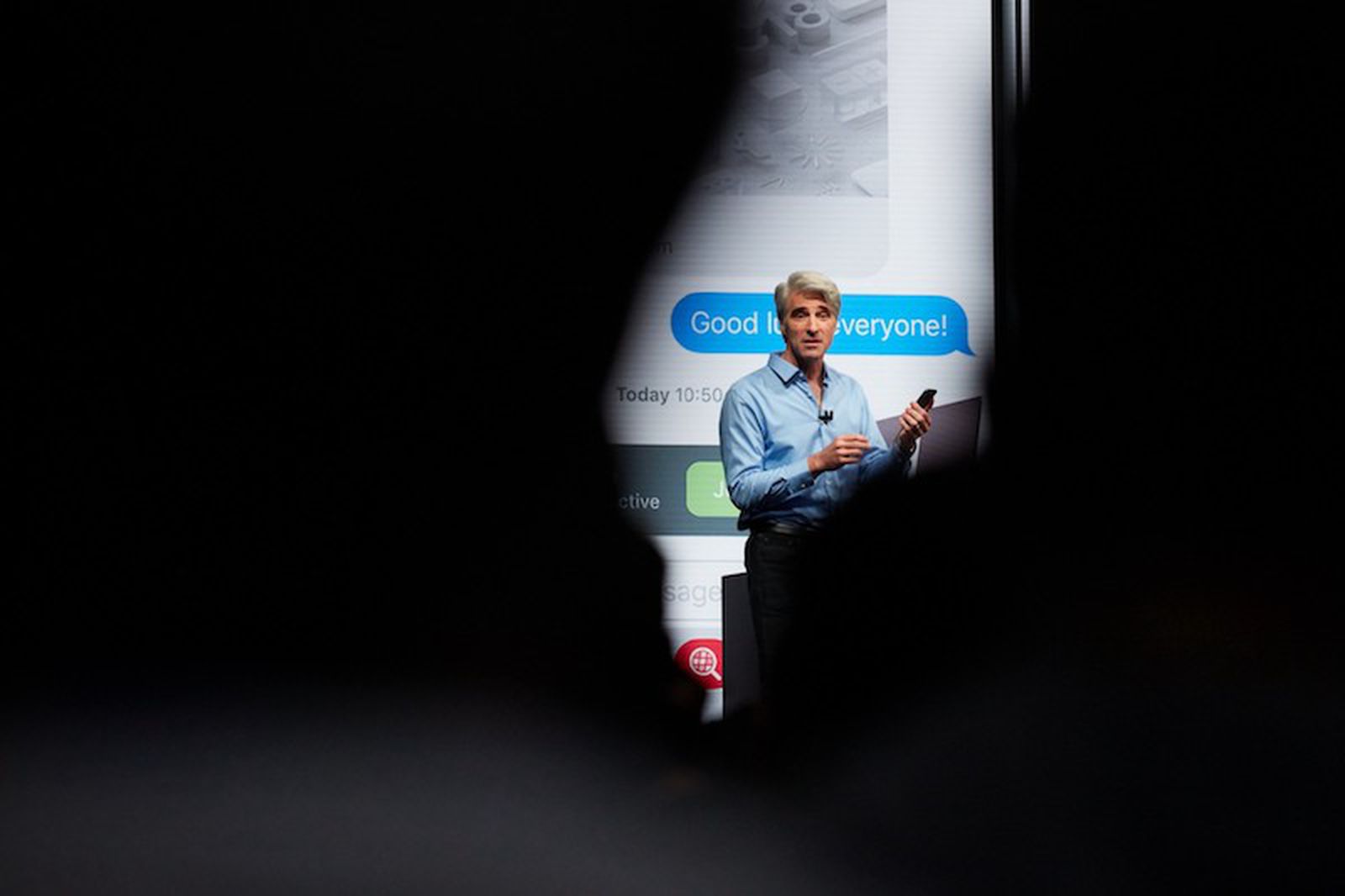
Apple centralized its AI organization under software chief Craig Federighi, moved Siri oversight into his division and announced plans to use Google's Gemini models to power upcoming AI upgrades including a revamped Siri expected later this year. The shift prioritizes faster product rollout and cost containment—favoring on‑device processing and Private Cloud Compute—while Apple continues to shrink and optimize external models for its silicon and considers acquisitions for model compression, creating a tradeoff between near‑term execution speed and longer‑term investment in internal infrastructure and talent.
Market structure: Near-term winners are Alphabet (GOOGL/GOOG) as a licensed model provider—expected incremental services revenue and strategic lock-in from iOS integration—while AI-infrastructure vendors face mixed impacts: cloud model operators (GOOGL, AMZN, MSFT) gain, while Apple’s reduced cloud capex domestically pressures GPU demand from NVDA/AMD. Apple (AAPL) benefits product-wise (improved Siri) and capex discipline, but cedes pricing power on foundation models and creates a two-tier AI stack (cloud licensed models + on-device distilled models).
Risk assessment: Tail risks include regulatory (antitrust review of bundling Gemini into iOS), operational failure of integration delaying rollout into H2 2026, and data-privacy incidents that could force rollbacks; probability reasonable within 12 months, high impact. Hidden dependency: Apple’s long-term plan to “shrink” Google models means Google gains short-term monetization but retains bargaining power until Apple’s compression tech matures—acquisitions/hires could take 12–36 months to materially reduce dependence. Key catalysts: WWDC (June 2026) demos, Google licensing updates in next 60–90 days, and any FTC/EC inquiries.
Trade implications: Prefer a targeted long on GOOGL (2–3% portfolio weight) via 9–12 month call spreads to capture monetization and higher services multiples; trim NVDA exposure by 10–25% over 1–3 months given potential near-term demand variability from Apple. Use a pair trade long GOOGL / short META (equal notional 1–2%) for 6–12 months—Alphabet monetizes licensing while Meta risks margin pressure from heavy infra spend. For AAPL, wait: initiate a small 1% tactical buy after public Siri demo and transparency on Gemini terms, otherwise hedge with 6-month puts if share rallies >10% pre-demo.
Contrarian angles: Consensus underestimates Apple’s ability to re‑internalize models via aggressive compression M&A—if Apple acquires 2–3 niche model-compression firms within 12–24 months it could flip dependence into advantage, pressuring model providers’ multiples. Conversely, markets may be underpricing regulatory friction: a forced unbundling or privacy probe could swing valuations >10–20% for involved parties. Historical parallel: Microsoft’s OpenAI tie then internal scale-up; outcome depends on execution speed—watch hiring/acquisition cadence and license renewal clauses for true asymmetric risk.
AI-powered research, real-time alerts, and portfolio analytics for institutional investors.
Request DemoOverall Sentiment
neutral
Sentiment Score
0.10
Ticker Sentiment
