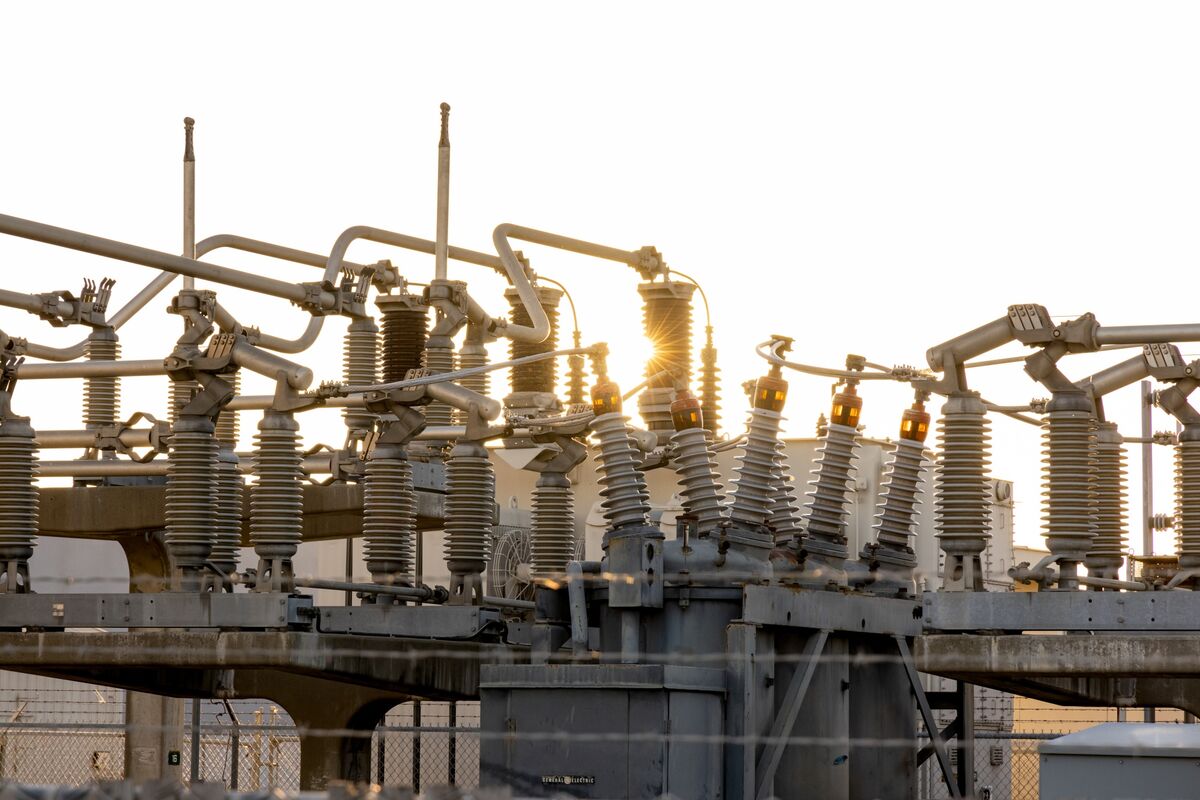
Stocks of companies that supply hardware, software and services to keep the electric grid running have seen valuations rise this year as investors extend the AI-driven rally into energy infrastructure. The piece links the surge to AI-related demand and notes parallel spikes in interest for nuclear and geothermal, suggesting continued investor attention and potential ongoing capital flows into grid modernization names.
Market structure: AI-driven demand for grid reliability lifts hardware (transformers, inverters, breakers) and services (OT software, substation construction). Direct winners are transmission/engineering contractors (PWR), grid-scale storage suppliers (FLNC, ENPH) and industrial OEMs (ABB), while merchant thermal generators and utilities slow to modernize (e.g., PPL) risk margin erosion. Scarce physical components and skilled crews create a multi-year pricing tailwind—expect order backlogs to run 12–36 months and RFP pricing to rise 5–15% versus 2023 baselines.
Risk assessment: Key tail risks are regulatory reversal of subsidies, a major grid cyberattack, or a global transformer/semiconductor supply shock; any of these could wipe 20–40% off near-term revenue for exposed names. Immediate sentiment moves (days) are trader-driven; short-term (3–6 months) depends on IRA/FERC actions; long-term (1–3 years) depends on execution and interest rates—if 10yr >4.25% persistently, DCF multiples compress 10–25% for long-duration grid-tech equities. Hidden dependencies include project financing availability and contractor labour constraints.
Trade implications: Favor industrials with visible backlog and margin expansion: establish targeted equity/option exposure to PWR (transmission), FLNC (storage integrator), and ABB (grid hardware) using 6–18 month LEAPs or call spreads to limit carry. Implement pair trades: long PWR vs short PPL to isolate modernization vs legacy utility risk. Reduce allocations to frothy small-cap grid-software names and rotate 3–7% portfolio weight from pure SaaS into industrials over next 90 days.
Contrarian view: Consensus overweights SaaS/AI narratives and underweights capital-intensive transmission bottlenecks; valuations may be stretched in sub-$1bn software players while transmission contractors remain under-owned. Historical parallels to EV charger buildouts show early software winners later disappointed by hardware/supply constraints; unintended consequences include localized congestion that slows renewables integration and revenue seasonality for implementers.
AI-powered research, real-time alerts, and portfolio analytics for institutional investors.
Request DemoOverall Sentiment
moderately positive
Sentiment Score
0.50
